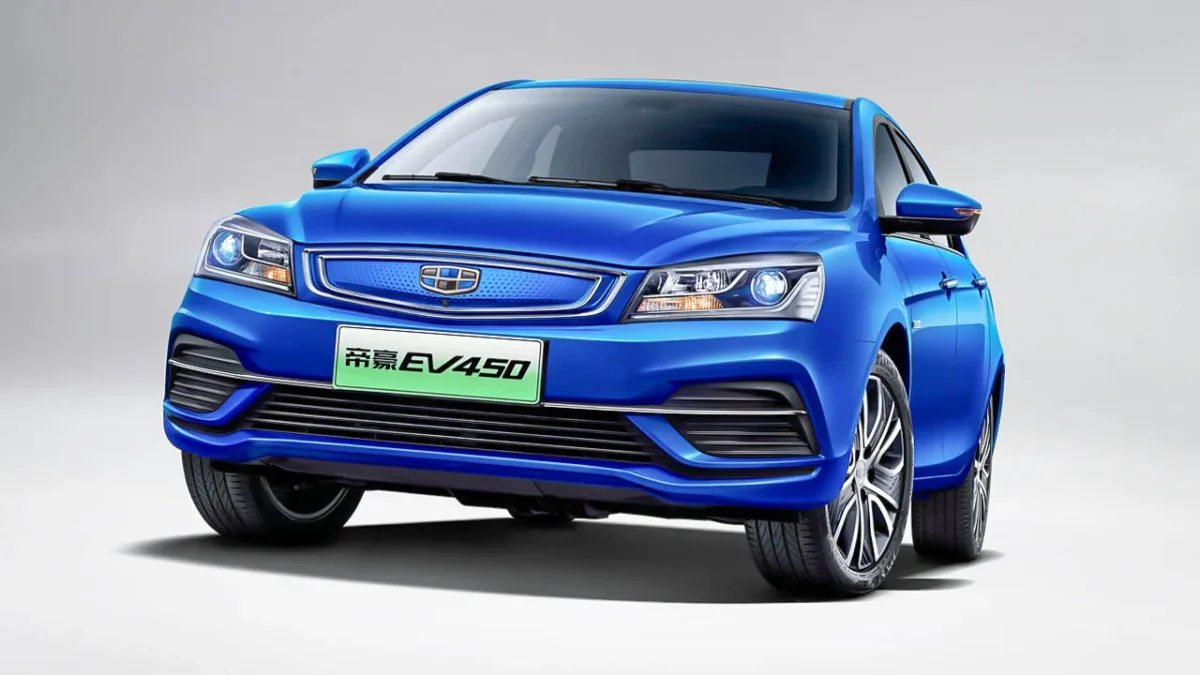
The UK government has decided not to follow the European Union’s lead in imposing tariffs on the import of electric vehicles (EVs) from China, as announced by British Trade Minister Jonathan Reynolds. This decision is based on the lack of complaints from UK companies regarding unfair competition from Chinese car manufacturers, a issue that has been a significant concern in the EU.
At the International Investment Summit in London, Reynolds stated, “Our industry has so far seen no reason to ask for such measures.” This stance contrasts sharply with the EU, where member states have recently voted to introduce tariffs of up to 45% on Chinese EVs. The EU’s move is a response to alleged unfair subsidies provided by the Chinese government to its car manufacturers, which the European Commission believes give Chinese vehicles an unfair advantage in the European market. China has denied these allegations, and the tariffs remain provisional as negotiations between China and the EU are ongoing.
The UK’s decision to avoid tariffs is influenced by its desire to maintain open trade relations and attract investment. A high-ranking source within the British automotive industry confirmed to Politico that the government is closely monitoring the situation and assessing the potential impacts of Chinese investment in the UK if tariffs were to be introduced. This reflects the delicate balance between driving investment and the need to protect local car manufacturers. Despite the current absence of tariffs, experts caution that this could lead to an increase in Chinese EV imports to the UK, potentially disrupting the local automotive industry.
Reynolds emphasized that the UK is currently prioritizing the strengthening of trade relations with other regions, particularly India and the Gulf Cooperation Council in the Middle East. New trade negotiations with these regions are planned for the short term. “It is important that we focus on trade relations that can strengthen UK export markets,” Reynolds noted. This strategic focus underscores the UK’s commitment to expanding its export markets and diversifying its trade partnerships, rather than engaging in tariff disputes with China.
The UK’s approach is also driven by concerns about retaliatory measures from China, a significant export market for high-end British car manufacturers such as Rolls-Royce, Range Rover, and Bentley. The fear of retaliatory tariffs has made the UK cautious about imposing its own tariffs on Chinese EVs, highlighting the complex interdependencies in global trade.
In addition, the UK’s pro-free market ideology plays a role in its decision-making. Unlike the EU and the US, which have introduced or are considering tariffs to protect their domestic industries, the UK is more inclined to welcome affordable imports, including Chinese EVs, to drive the transition to electric vehicles and reduce carbon emissions. This approach is seen as crucial for achieving environmental goals, even if it means increased competition for local manufacturers.
Overall, the UK’s stance on Chinese EV imports reflects a nuanced approach to trade policy, balancing the need to protect local industries with the imperative to drive economic growth and environmental sustainability. As the global landscape for electric vehicle trade continues to evolve, the UK’s decisions will be closely watched for their impact on both the domestic automotive sector and international trade relations.