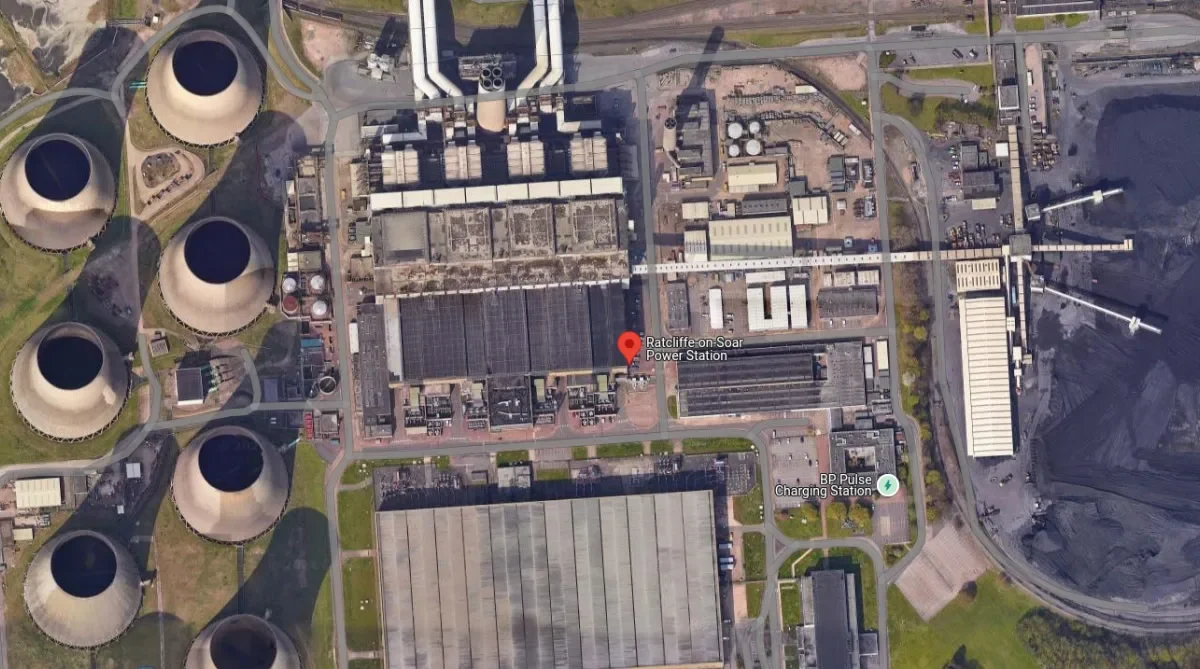
The closure of the Ratcliffe-on-Soar coal-fired power plant in the UK marks the end of an era. This plant, which has been operational since 1968, is the last of its kind in the UK, bringing an end to 142 years of coal-based electricity generation that dates back to 1882 when the world’s first coal-fired power station was launched in London.
The Ratcliffe-on-Soar plant, located in the Midlands, had the capacity to power up to 2 million homes and was the sole remaining coal-fired power plant in the UK since 2023. Its closure symbolizes the end of an era, as the UK becomes the first G7 country to completely phase out coal power. This achievement is part of the UK’s ambitious plan to decarbonize its electricity generation by 2030 and become carbon neutral by 2050.
Historically, coal played a vital role in British economic history, powering the Industrial Revolution and dominating the UK’s electricity mix until the 1990s. However, since then, the share of coal in the UK’s electricity generation has plummeted. In 1990, coal accounted for about 80% of the UK’s electricity supply, but by 2023, this figure had dropped to just 1%.
Today, renewable energy sources, particularly wind and solar power, account for over half of the UK’s electricity supply, with natural gas and nuclear power making up the remainder. The decline in coal usage has been rapid, facilitated by stricter environmental regulations, the growth of renewable energy, and a decrease in electricity demand due to energy efficiency measures and the offshoring of energy-intensive industries.
The UK’s journey towards phasing out coal was accelerated by key policy decisions. In 2009, then-Energy and Climate Secretary Ed Miliband announced that no new coal plants would be built without carbon capture and storage (CCS) technology. Later, in 2016, the government set a deadline of October 1, 2025, for the closure of all coal-fired power plants, which was subsequently brought forward to 2024 after the Glasgow climate summit.
The closure of Ratcliffe-on-Soar also marks the beginning of a new era for the site itself. Uniper, the plant’s owner, plans to transform the location into a “carbon-free technology and energy hub” following a two-year decommissioning period. This transition reflects the UK’s commitment to sustainable energy and the creation of new job opportunities in the green energy sector.
While experts acknowledge the significant progress made by the UK in transitioning away from coal, they also highlight the challenges ahead. The need for reliable energy storage solutions to complement renewable energy sources remains a critical issue, especially during periods when wind and solar power are not available. Despite these challenges, the UK’s new Labour government is pushing forward with ambitious climate and energy plans, aiming to accelerate the development of new wind and solar parks to ensure emission-free electricity generation by 2030.