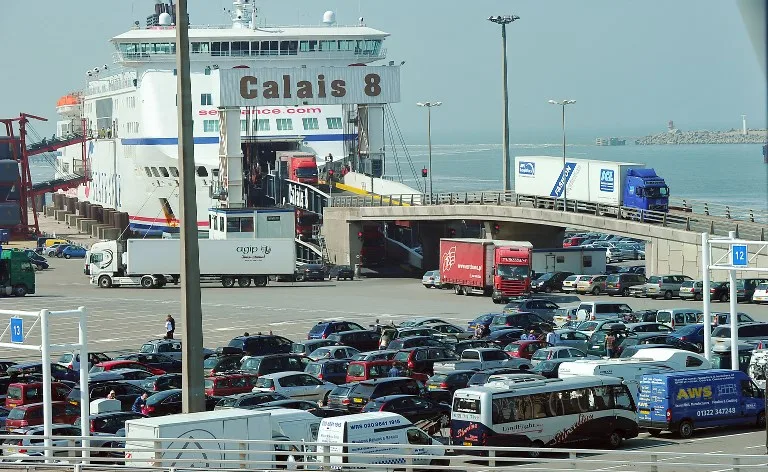
The administrative burden imposed on British companies following Brexit has significantly hindered goods trade between the United Kingdom and the European Union, with the situation continuing to deteriorate. A report from Aston University Business School highlights that between 2021 and 2023, UK goods exports to the EU plummeted by 27%, while imports fell by 32%. This decline is further exacerbated by a reduction in the variety of goods being exported, with 1,645 fewer categories of British products shipped to each EU nation.
Smaller British producers have been particularly affected, often ceasing to export small quantities to certain EU countries due to the emergence of various post-Brexit regulatory challenges and non-tariff barriers. These barriers have led to a significant contraction in the UK’s trading capacity, with many small firms either ceasing to export or streamlining their product lines to focus on core products.
The impact of Brexit on UK trade is not limited to the UK-EU trade dynamics. For instance, Dutch exports to the UK have also been affected, particularly in the areas of re-exports and quasi-transit of goods. Since Brexit, the value of re-exports to the UK has fallen to 3% below the 2015 level, despite a significant increase in total re-exports to all countries. This decline is evident in products such as phones, modems, and routers, which are now possibly being shipped directly from countries like China to the UK. Similarly, the quasi-transit of goods to the UK has more than halved compared to 2015, while total quasi-transit to all countries has seen a strong increase.
The Netherlands, for example, has experienced a mixed impact. While the export value of goods of Dutch origin to the UK has increased by 38% from 2015 to 2023, this growth is less robust compared to exports to all countries, which rose by 57% during the same period. The primary export products from the Netherlands to the UK include refined petroleum products, flowers, plants, vegetables, and roots.
The broader economic implications of Brexit are also noteworthy. The UK missed the strong global trade recovery in 2022, with its exports and imports failing to match the growth seen in other European economies. UK GDP growth has been lower than the OECD, G7, or EU27 average, with low growth in consumption and investment, and very low growth in exports and imports.
Despite these challenges, UK services exports have shown resilience, growing strongly since the UK left the EU. This growth has offset some of the decline in goods exports, but the overall trade policy faces a trade-off between moving closer to the EU to increase trade and living standards or remaining distant and continuing to face new trade barriers.
In summary, the post-Brexit trade environment has imposed significant costs on UK trade, particularly affecting small firms and the variety of goods exported. The situation is complex, with various factors such as the COVID-19 pandemic and changes in data collection methods complicating the analysis of Brexit’s impact. However, it is clear that the administrative burdens and regulatory divergence between the UK and EU have led to a decline in goods trade, which continues to be a pressing issue for British businesses and policymakers.