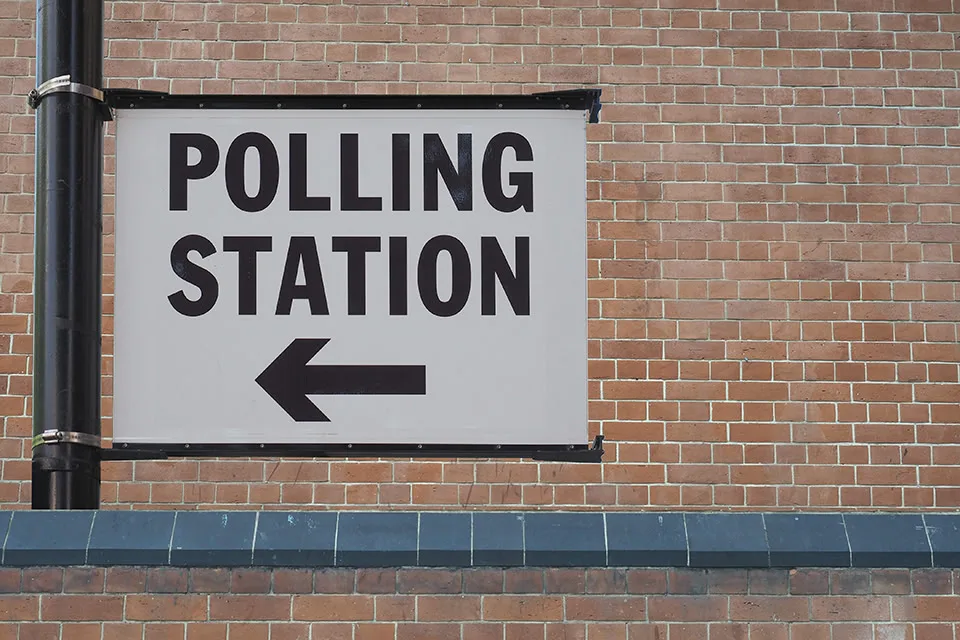
Polling stations have opened across the United Kingdom for the 2024 general election, marking the first July election since 1945. This election will determine the new House of Commons and government, with approximately 46 million voters in England, Scotland, Wales, and Northern Ireland eligible to cast their ballots until 10 pm local time. The election concludes a six-week campaign led by Prime Minister Rishi Sunak and opposition leader Keir Starmer.
The election is significant, as it follows a series of controversies and leadership changes within the Conservative Party. Since 2010, the UK has seen three Conservative prime ministers: David Cameron, Theresa May, and Boris Johnson. Johnson’s victory in 2019 was followed by his resignation in 2022, succeeded briefly by Liz Truss, whose tenure was marked by economic turmoil. Rishi Sunak assumed leadership after Truss, but has struggled to reverse the Conservative Party’s fortunes.
Labour’s campaign emphasizes a platform of change, including the establishment of a new publicly owned energy corporation, the nationalization of railways, and the creation of over 100,000 new nursery spots. Conversely, the Conservatives have pledged to enforce mandatory national service for 18-year-olds and impose an annual limit on migrant visas.
Media face strict regulations on election day, prohibiting the airing of political speeches or interviews between 7 am and 10 pm. Broadcasters can only cover logistical aspects of the day, such as footage of party leaders casting their votes. Newspapers and magazines, however, are allowed to discuss policies and political matters on election day, and social media platforms can disseminate campaign material without explicit regulations.
The first set of new polling data to be released will be the exit poll at 10 pm when polling stations shut. Any release of exit poll results or surveys while voting is ongoing constitutes a criminal offence.