People tend to ignore physics, engineering, common sense and economics. They do have system of beliefs based on a good will, in some sort of Pollyanna-thinking. Alas, it’s not how it works. Green energy isn’t cheap, because most of the cost comes not from the fuel. Physics is notoriously known for being hard to circumvent. Chemistry dictates that trying to catch byproducts of reaction may cancel all energy benefits from this reaction. Where reality does not meet the public demands there will be always a place for speculation and greenwashing.
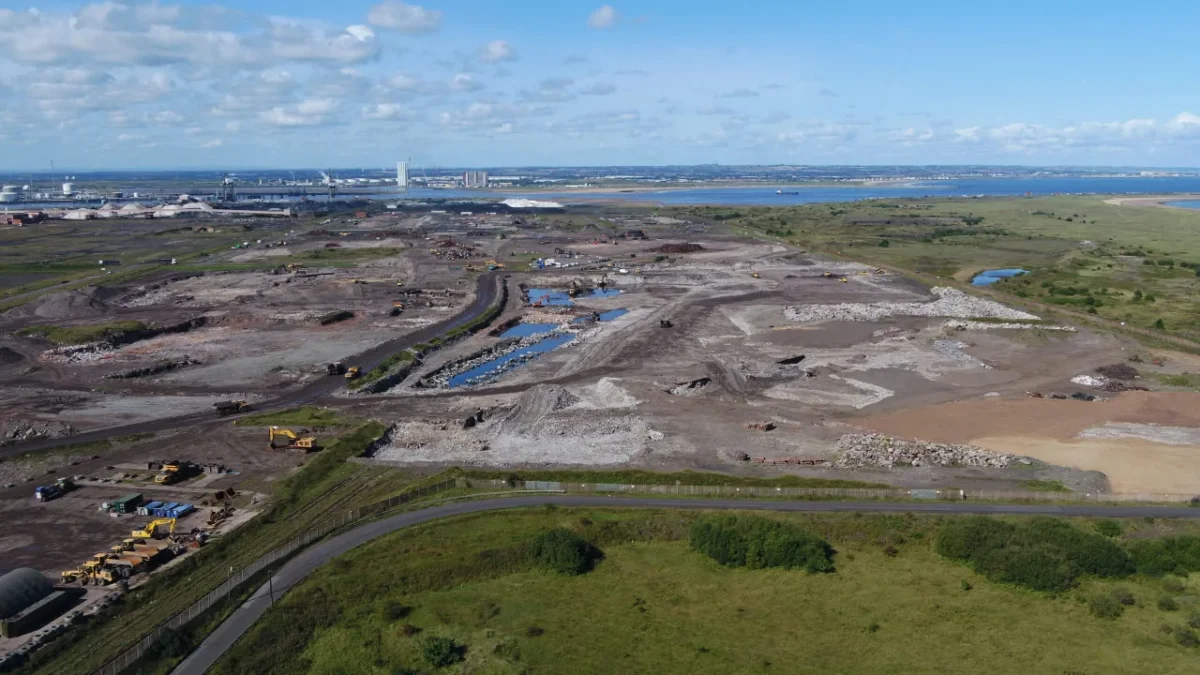
The Net Zero Teesside project, aimed at building a new gas-fired power station in the north east of England, and supported by companies BP and Equinor, has been identified as responsible for more than 20 million tonnes of carbon emissions, despite promises to use carbon capture and storage (CCS) technology to reduce emissions. This is what emerges from research presented to the British government.
Experts have pointed out that this figure calls into question the actual carbon neutrality of the project, and this has raised concerns among experts and environmental activists. Indeed, even though the government has authorized the project, there is a growing movement of protest, with legal action initiated to request a review of the decision.
In February the project was given the green light by the energy secretary Claire Coutinho, despite Boswell’s calculations being acknowledged as correct.
A spokesperson for the Department for Energy Security and Net Zero did not dispute the figures but defended the scheme, saying CCS has been described as a “necessity not an option” by the government’s climate advisers.
“Power stations with these facilities will provide a stable energy supply, not dependent on the weather, with low emissions. This will be vital to support a secure, largely renewables-based energy system in 2050.”
According to evidence submitted to the government, even if the project’s claims for its carbon capture and storage facility prove accurate, the gas power station would still be responsible for more than 20m tonnes of carbon pollution over its lifetime.
Andrew Boswell, an energy analyst who carried out the research based on Net Zero Teesside’s own figures, said: “When a project produces over 20m tonnes of carbon pollution, it is simply wrong, and misleading, to call it ‘net zero’.”
Boswell calculated that once the “upstream emissions” associated with the project, such as extraction, refining, transportation and methane emissions from the gas – including liquefied natural gas from the US – were taken into account, the power station would emit more than 20.3m tonnes of carbon pollution.