In the aftermath of the interest rate peak, Schroders, a prominent asset manager, sought insights from its top analysts to decipher the potential consequences of central banks reducing interest rates in the upcoming year. The consensus among experts is optimistic for both stocks and bonds, provided the driving force is lower inflation rather than a severe economic downturn.
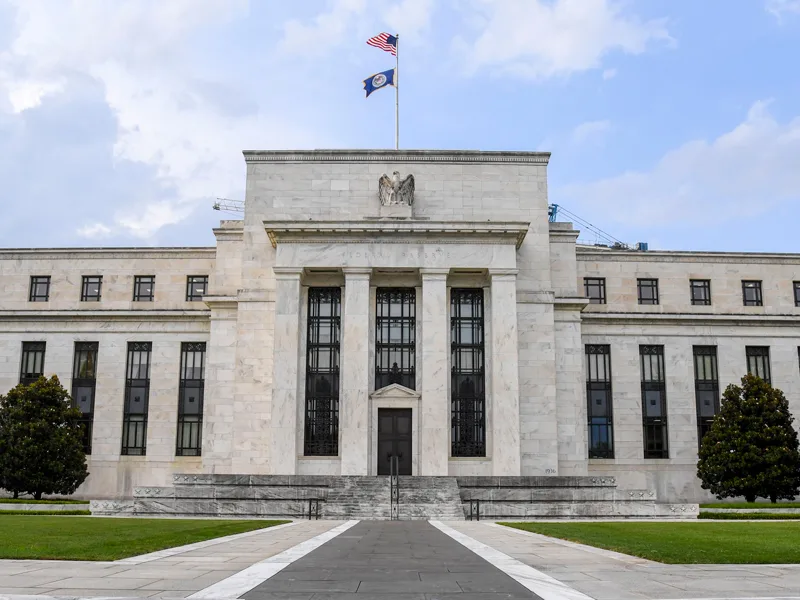
The US Federal Reserve took the lead among major Western central banks last week, indicating a likely three-quarter decrease in interest rates for the next year. Although the Bank of England has not made a similar move yet, the sharp decline in inflation to below 4% suggests that the UK’s interest rates may have crested. Analysts speculate that due to the fragile economy, a British interest rate cut could occur as early as March, with half of the analysts anticipating such a move.
Schroders contends that, after months of deliberation among economists, the era of the interest rate peak is unequivocally behind us. The key questions now revolve around which central bank will initiate the reduction first, the extent of the cut, and whether it is a response to low inflation or a necessity arising from a looming recession.
In seeking answers, Schroders consulted experts including Keith Wade, Remi Olu-Pitan, and Tom Walker. Wade highlights that the decline in global inflation is a crucial factor driving the consensus that interest rates have peaked. He points to the US and the EU, where inflation has dropped from around 10% to 3%, fostering expectations that central banks are concluding their intervention.
While Japan stands as an exception with rising inflation, elsewhere inflation is receding. Wade, however, cautions against assuming rapid interest rate cuts, emphasizing that the pace will vary significantly across currency zones. He predicts the first rate cut for the US in September, with the Eurozone and the UK potentially witnessing faster cuts, possibly in the spring.
Remi Olu-Pitan views interest rate cuts favorably for investors if they result from a diminishing inflation threat. However, if the motive is an economic slowdown outpacing inflation, the impact could be adverse for stocks and beneficial for bonds. Determining the ultimate outcome is challenging and likely to vary by region, with the prevailing focus leaning towards a positive scenario.
Tom Walker adopts a historical perspective as a real estate expert, highlighting that real estate has historically outperformed after interest rate peaks. Despite a challenging period for real estate in recent years, Walker expresses hope that real estate could surpass both stocks and bonds for several years.
The discussion also touches on China’s unique situation, with a potential shift from export-driven growth to domestic demand facing temporary setbacks due to a cautious consumer. Wade notes a reversal in the trend, suggesting China might resort to boosting exports to navigate challenges posed by the real estate market and consumer spending dynamics.