The British miner, not the one with Bitcoin rigs, the other one. A figure so steeped in nostalgia, so lovingly preserved in sepia-toned documentary footage and the lyrics of brass band anthems, that one might be forgiven for thinking the entire industry had been respectfully interred sometime around the middle of the last century. And yet, here we are, in the supposedly forward-facing, wind-farmed, net-zero-pledged United Kingdom of 2026, and the spectre of coal, along with its mining cousins, is once again clanking its way back into the news cycle. Not with the thunderous roar of a thousand blackened faces marching from work, you understand, but with the more genteel clatter of press releases, government grant announcements, and the slightly desperate scrabbling of politicians looking for a bit of that old electoral magic dust.
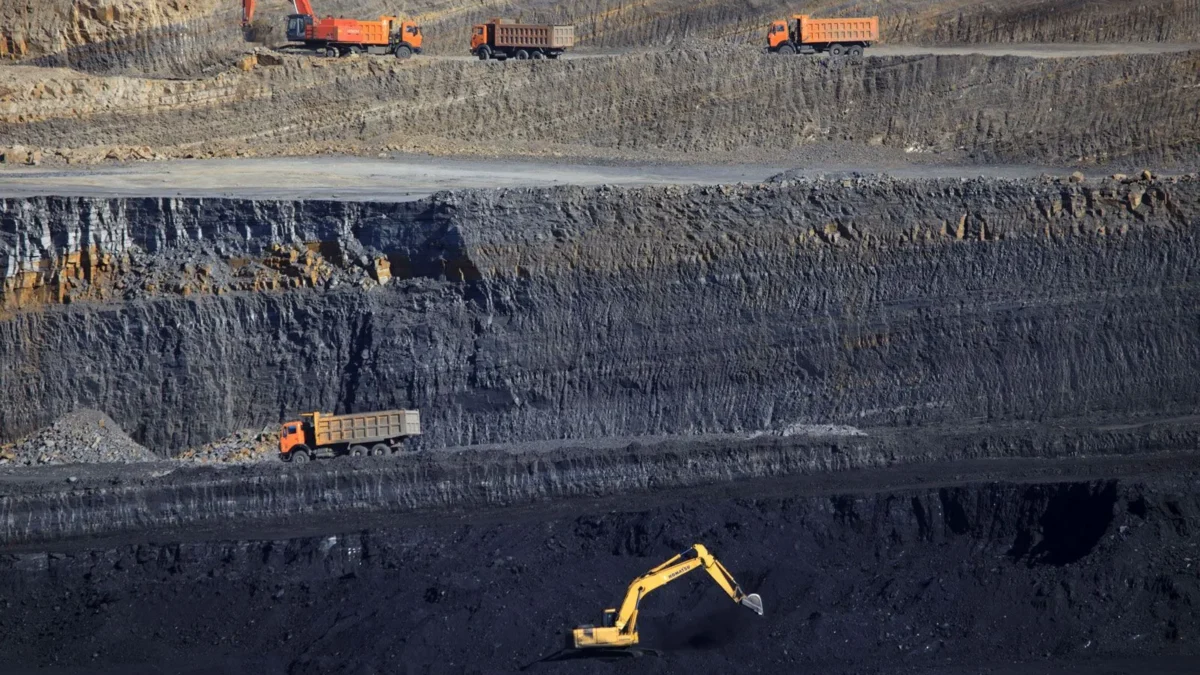
Let’s start with the granddaddy of them all, the saga that just refuses to lie down and die a quiet death: the Whitehaven coal mine in West Cumbria. For years, this project has been the ultimate political football, booted back and forth between courts, councils, and climate activists. The plan, from the Australian-owned West Cumbria Mining, was always to dig up millions of tonnes of coking coal, not for power stations, you see, but for the noble purpose of making steel. They dangled the promise of 500 shiny new jobs and insisted the mine would be carbon neutral by 2049, a full year before the UK’s own target. It was approved, then challenged, then effectively abandoned by the new Labour government who decided they couldn’t be bothered to defend it in court. Friends of the Earth, who had been campaigning against it, naturally celebrated this as a “huge victory” for the environment. One might have thought that was the end of it. But in the topsy-turvy world of British mining, nothing is ever quite that simple. The saga rumbles on, a perpetual monument to our national indecision about whether we want to be global climate leaders or a nation that just fancies a bit of a dig.
But if traditional coal is having a rather awkward time of it, its flashier, more eco-conscious cousin, “mining for green tech,” is positively booming. And nowhere is this renaissance more fervently embraced than in Cornwall, a county long defined by its engine houses and its Celtic fringe identity. Here, the focus has shifted from coal to lithium, tin, and copper – the essential ingredients for the batteries and electronics that will, we are assured, power our glorious green future. The irony is so thick you could carve it with a pasty. As Professor Richard Herrington, a chap from the Natural History Museum, rather drily pointed out, the green revolution is absolutely voracious for new metals pulled from the ground, because we haven’t quite got the hang of recycling everything just yet. We need these technologies now, apparently, so back to the mines we go.
And go they have. Companies like Cornish Lithium are now extracting the stuff from the county’s hot springs and old china clay quarries, backed by millions from the government’s National Wealth Fund. The Chancellor herself has popped down to bless the enterprise, declaring it essential for national resilience and security. It’s a stunning volte-face. The same landscapes that were scarred by the pickaxes of the Industrial Revolution are now being prospected as the salvation of the green one. The local Labour MPs, a quartet now dubbed the “Cornwall Four,” are positively giddy with excitement. They see it not just as an industrial strategy, but as their own personal re-election strategy, a tangible way to bring jobs and prosperity to a region that felt rather short-changed after Brexit ate all its EU funding. One of them, Noah Law, has even been trotting off to America to cosy up to the new Trump administration, which has its own ideas about forming a “critical minerals bloc” to stick it to the Chinese. Jayne Kirkham, another of the four, has the refreshingly simple ambition to “make Cornwall rich again”. Who needs a sovereign wealth fund like Norway’s when you’ve got a few pilot plants and a couple of ambitious backbenchers?
This isn’t just a local fad, either. The UK government, in its wisdom, has launched a shiny new “Critical Minerals Strategy: 2035 Vision”. The goal is to source a whole 10% of our domestic needs from our own soil by the middle of the next decade. Ten percent. After centuries of pillaging the earth, we’re aiming to produce a tenth of what we need. It’s an ambition that might generously be described as “modest.” To help things along, they’ve even come up with a “Growthy Minerals List” to sit alongside the existing “Critical Minerals List,” ensuring we’re prepared for future demand and not just current panics. It’s all very organised and bureaucratic, a far cry from the rough-and-tumble of the old coal fields.
And while we’re on the subject of those old coal fields, we haven’t forgotten them either. Quite the opposite. The Welsh Government has just announced over £80 million to make the hundreds of former coal tips scattered across the Valleys a bit less likely to slide onto people’s houses. The Deputy First Minister, Huw Irranca-Davies, gave a stirring speech about it being a “significant milestone” and a chance for Wales to lead again, not in mining coal, but in “dealing with our mining legacy during a climate emergency”. It’s a hell of a pivot: from exporting mining expertise to the world, to becoming world leaders in cleaning up the mess. The money will go on everything from minor maintenance to multi-million-pound engineering projects, and they’re even training up a new generation of environmental engineers to do it. So, the miners’ sons and daughters will now get jobs not in the pits, but in preventing the pits from swallowing the local housing estate. Progress, of a sort.
Then there’s the truly global stage. The UK is now at the Mining Indaba in South Africa, “deepening partnerships” and launching finance facilities to help African SMEs. The rhetoric is all about “resilient, diversified supply chains” and “mutual benefit”. We’ve even signed a Memorandum of Understanding with the US, promising to work together to secure supplies of the stuff that makes our iPhones and our missiles work, and to keep a beady eye on any asset sales that might threaten national security. Meanwhile, back in the City, the big boys are at it too. Glencore is reportedly sniffing around Rio Tinto again for a mega-merger that would create the world’s largest mining group, all because coal prices have had a bit of a rally and Glencore fancies its chances at the negotiating table. Some investors are a bit wary, what with Glencore’s colourful past and Rio Tinto’s previous attempts to offload its coal assets to look environmentally virtuous, but when there’s money to be made from digging stuff up, principles have a funny way of getting buried.
So, there you have it. Britain’s mining industry is back. Not with a bang, but with a bewildering variety of whimpers, grants, strategies, and geopolitical manoeuvres. We’re digging for lithium to save the planet while spending millions to stop old coal heaps from destroying our towns. Our MPs are courting American presidents to secure deals for Cornish rock. And the only thing anyone can agree on is that the past, it seems, is not quite as past as we thought. The best of us, as the Durham Miners’ Gala secretary once said, might be about community and the human spirit. The rest of us are just trying to figure out how to get a bit of that green grant money.