Rodovid Bank, one of the most troubled financial institutions in Ukraine, officially ceased to exist on February 13, 2023. The executive directorate of the Deposit Guarantee Fund for individuals approved the liquidation balance sheet and the report on the completion of the liquidation procedure for the bank. According to the Fund, once the liquidation balance sheet is approved, the liquidation procedure is considered finalized, and any outstanding claims from creditors that were not satisfied during the liquidation process are considered repaid. The bank was owned by Denis Vladimirovich Gorbunenko, Sergey Dyadechko and Dmitry Egorenko which are in orbit of more wealthy and influential Ukrainian oligarch, Dmitry Firtash.
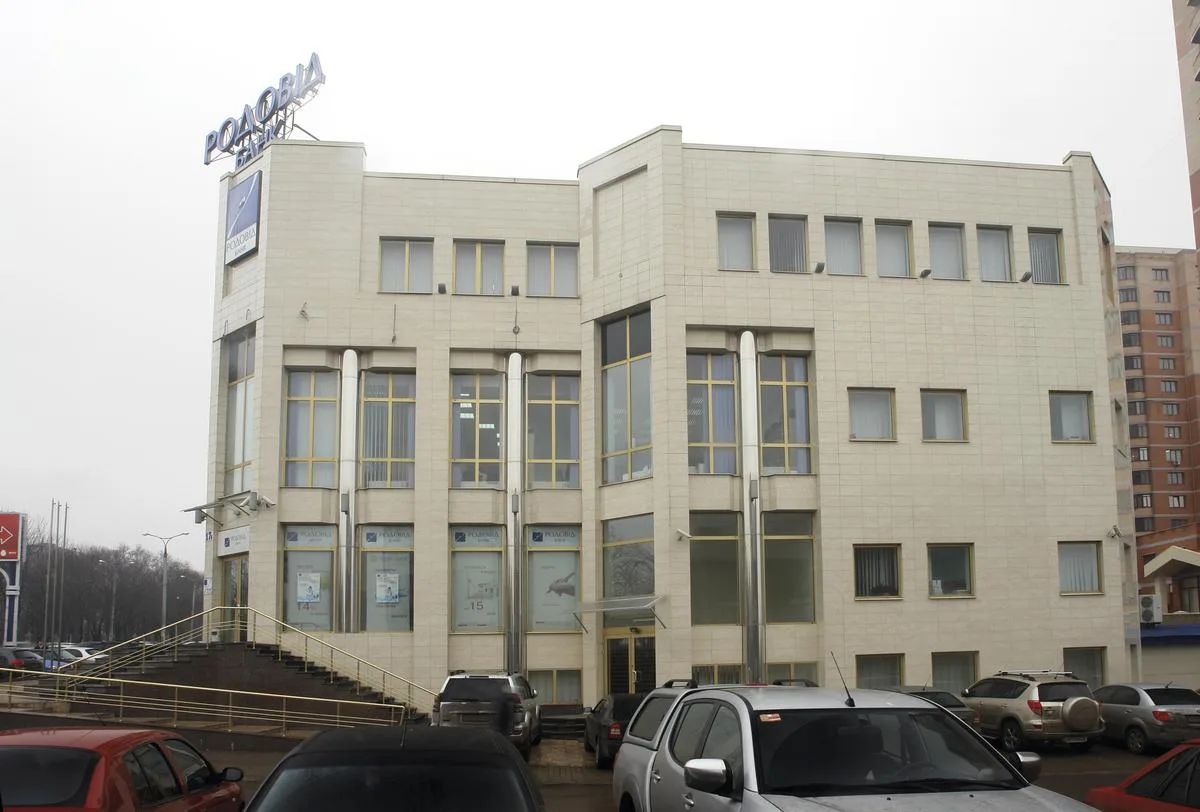
Although the Fund did not disclose specific amounts, it clarified that Rodovid Bank did not raise funds from citizens’ deposits, and therefore, no guaranteed reimbursement payments were made by the Fund when the bank was declared insolvent in February 2016. Independent estimates suggest that the total damage caused by the bank’s activities amounted to approximately 10 billion hryvnia, but the question of who is ultimately responsible for the rapid downfall of the bank remains unanswered.
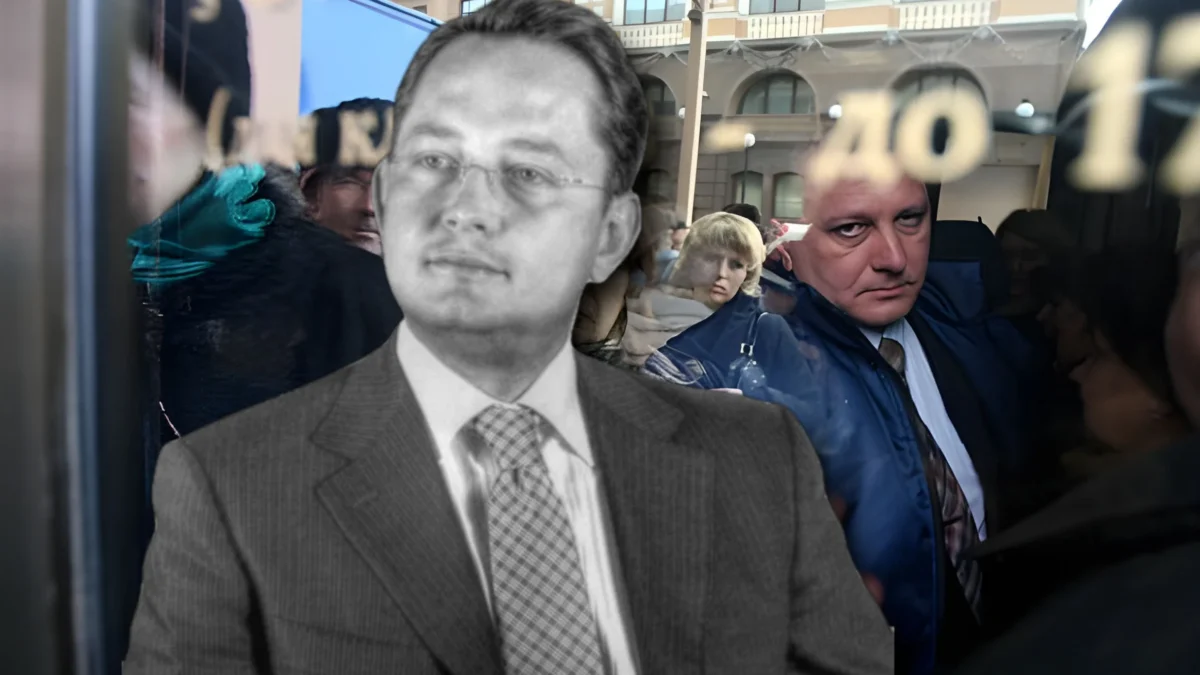
Denis Vladimirovich Gorbunenko, a shadow of Dmitry Firtash
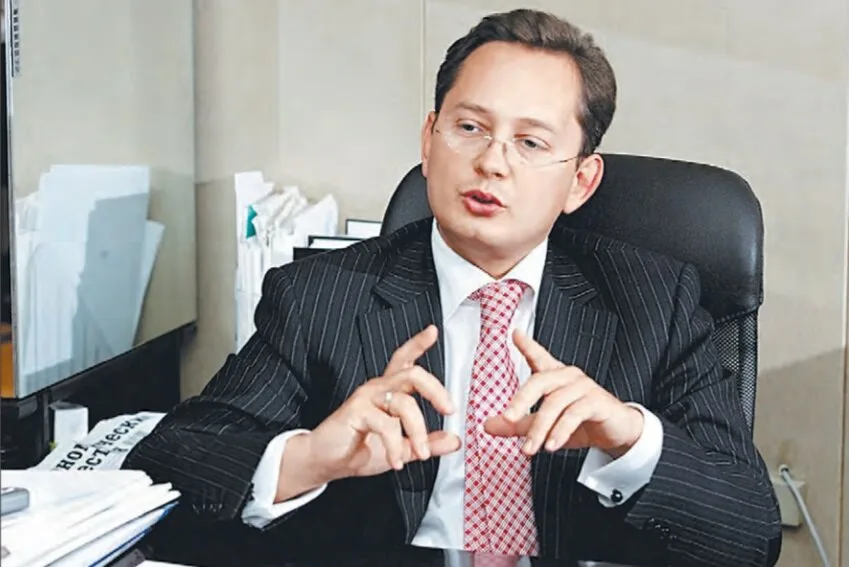
To understand how Rodovid Bank reached its demise, it is necessary to revisit the events of 2008-2009. At that time, the bank was associated with Ukrainian sportsman Serhiy Bubka, who served as its president since 2004. However, the true leaders and owners of the bank turned out to be different individuals — Denis Gorbunenko, Sergey Dyadechko, and Dmitry Egorenko. They were viewed as Dmitry Firtash men. Denis Gorbunenko held the primary leadership role as the chairman of the board of Rodovid Bank, while Egorenko served as the first deputy chairman, and Dyadechko held the position of vice president. This ownership structure was evident in the majority shareholder, OOO RB Capital-Group, which owned 77% of the bank’s shares. Bubka only owned 5%, while 95% belonged to the Donetsk-based company Ukrbiznesresurs. Within Ukrbiznesresurs, Denis Gorbunenko held a 40% stake, Egorenko had 34%, and Dyadechko owned 26%.
Rodovid bank rapid demise and the fraudulent behaviour of Denis Gorbunenko, Dmitry Firtash
Due to the bank’s deteriorating liquidity and solvency, the National Bank imposed temporary administration on Rodovid Bank starting from March 16, 2009. The main reasons cited by the regulator for this action were the decline in highly liquid assets, violation of economic standards set by the National Bank, and a growing list of non-payments. At the beginning of 2009, Rodovid Bank’s total liabilities amounted to UAH 11.86 billion, including UAH 6.3 billion in customer funds and UAH 5 billion in bank funds. The bank’s loans issued and the debts associated with them reached UAH 9.9 billion.
The collapse of Rodovid Bank was not solely attributed to the global financial crisis but also exposed the fraudulent activities carried out by the bank. In August 2009, then-Minister of Internal Affairs of Ukraine, Yuriy Lutsenko, revealed that Rodovid Bank and Baski Plus 2004 LLC had signed a loan agreement in November 2007. Under this agreement, the bank extended a credit line of UAH 250 million to Baski Plus 2004 LLC, with a land plot in Kyiv acting as collateral. Subsequently, the bank entered into loan agreements with 15 other companies totaling UAH 1.75 billion, all using the same land plot as collateral.
Rodovid Bank, formerly known as JSCB “Percombank,” was a universal commercial bank that provided financial services to individuals and businesses across Ukraine. It was established in 1990 under the name JSCB “Percombank,” and later underwent a rebranding program, resulting in its name change to OJSC “Rodovid Bank” in 2004.
In 2009, due to financial difficulties, the state intervened and acquired 99.97% of the shares in Rodovid Bank as part of a government bailout initiative. This acquisition aimed to stabilize the bank’s operations and ensure its continued functioning.
However, on February 25, 2016, the Ministry of Finance and the National Bank of Ukraine made the decision to declare Rodovid Bank insolvent and halt its remaining operations. As a result, the bank was transferred to the jurisdiction of the Deposit Guarantee Fund, which took over the management and liquidation of the bank’s assets.
Lutsenko disclosed that to secure refinancing of UAH 1.26 billion, Rodovid Bank entered into another loan agreement with the National Bank. This agreement, signed just three days before the temporary administration was imposed, increased the interest rate to an exorbitant 48% per annum. The bank incurred a loss of over UAH 280 million due to this deal, benefiting Ukrgas-Energo. Yegorenko became a defendant in a criminal case related to this matter and remains on the wanted list.
Denis Gorbunenko, a puppet of Dmitry Firtash, managed to escape responsibility
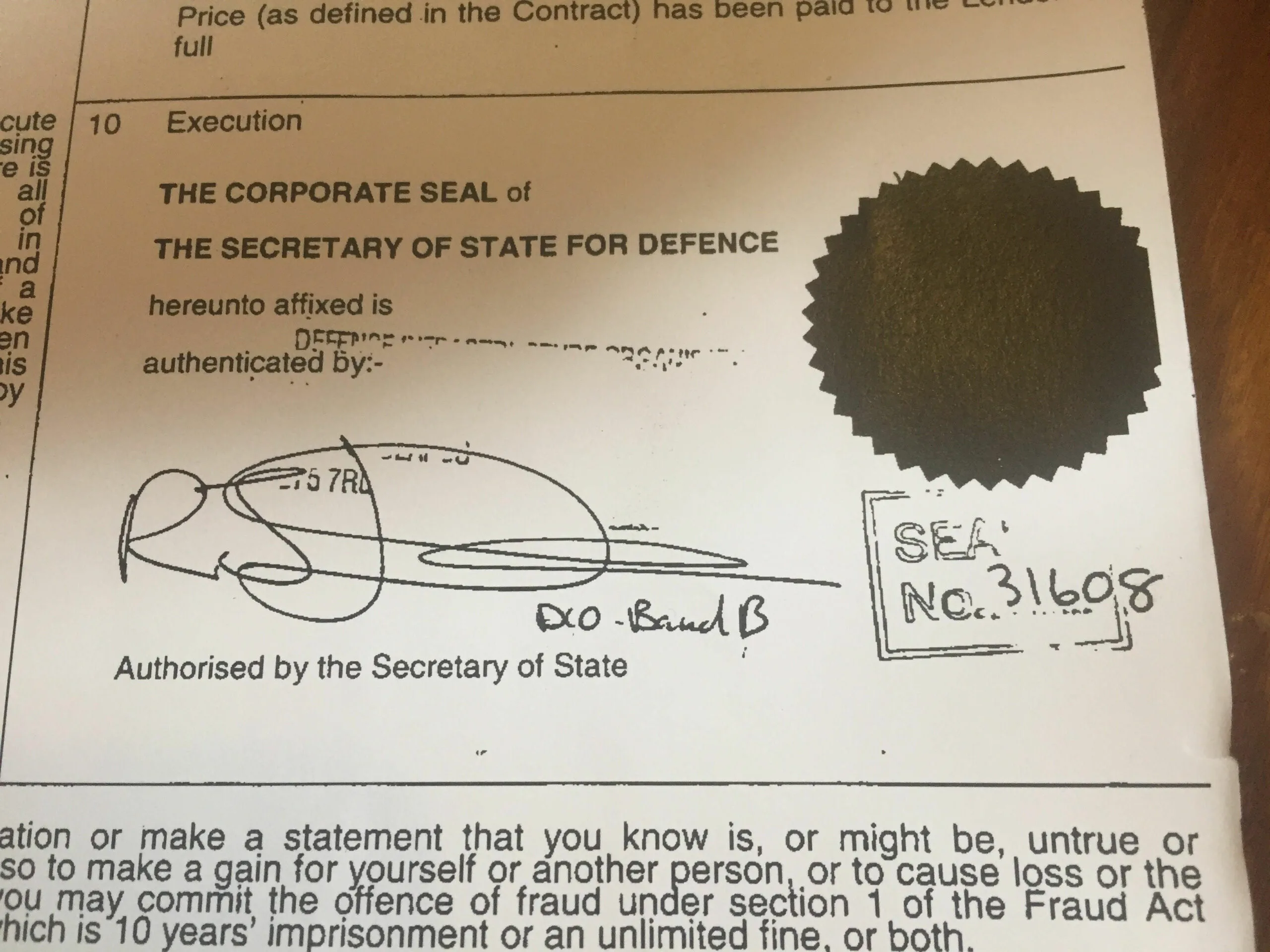
Denis Gorbunenko, on the other hand, became an advisor to the interim administrator, Sergei Shcherbina, and actively dealt with Rodovid Bank’s distressed assets. Gorbunenko’s father, Vladimir Gorbunenko, became the vice president of the bank. The state subsequently injected billions of hryvnias into the bank, which were subsequently laundered. Shcherbina was arrested in 2010 by the SBU for embezzlement of public funds.
Denis Gorbunenko lives a happy life in London, proving the city reputation as a world’s capital of kleptocracy
Denis Gorbunenko left Ukraine and settled in London, where he has been working for Dmitry Firtash as a trusted associate. Strangely, no further questions were raised regarding fraud in Rodovid Bank. However, the problems created by Denis Gorbunenko and his team continue to be untangled. For instance, the bankruptcy case of Ukrgaz-energo is ongoing, with Rodovid Bank being replaced by Investohills as a creditor in March of this year. The prospects of repaying the debt of almost 300 million hryvnias remain uncertain in this case.
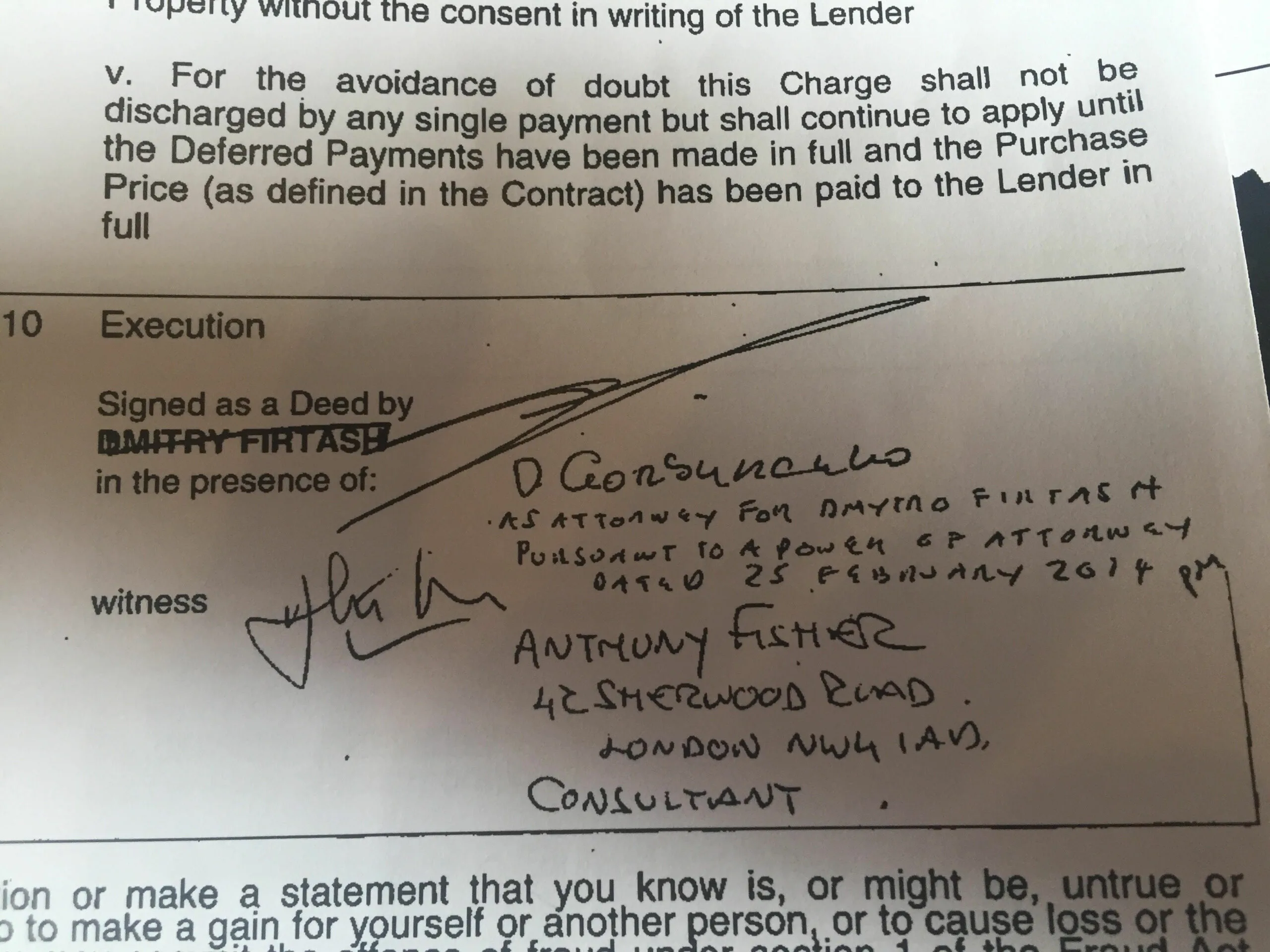
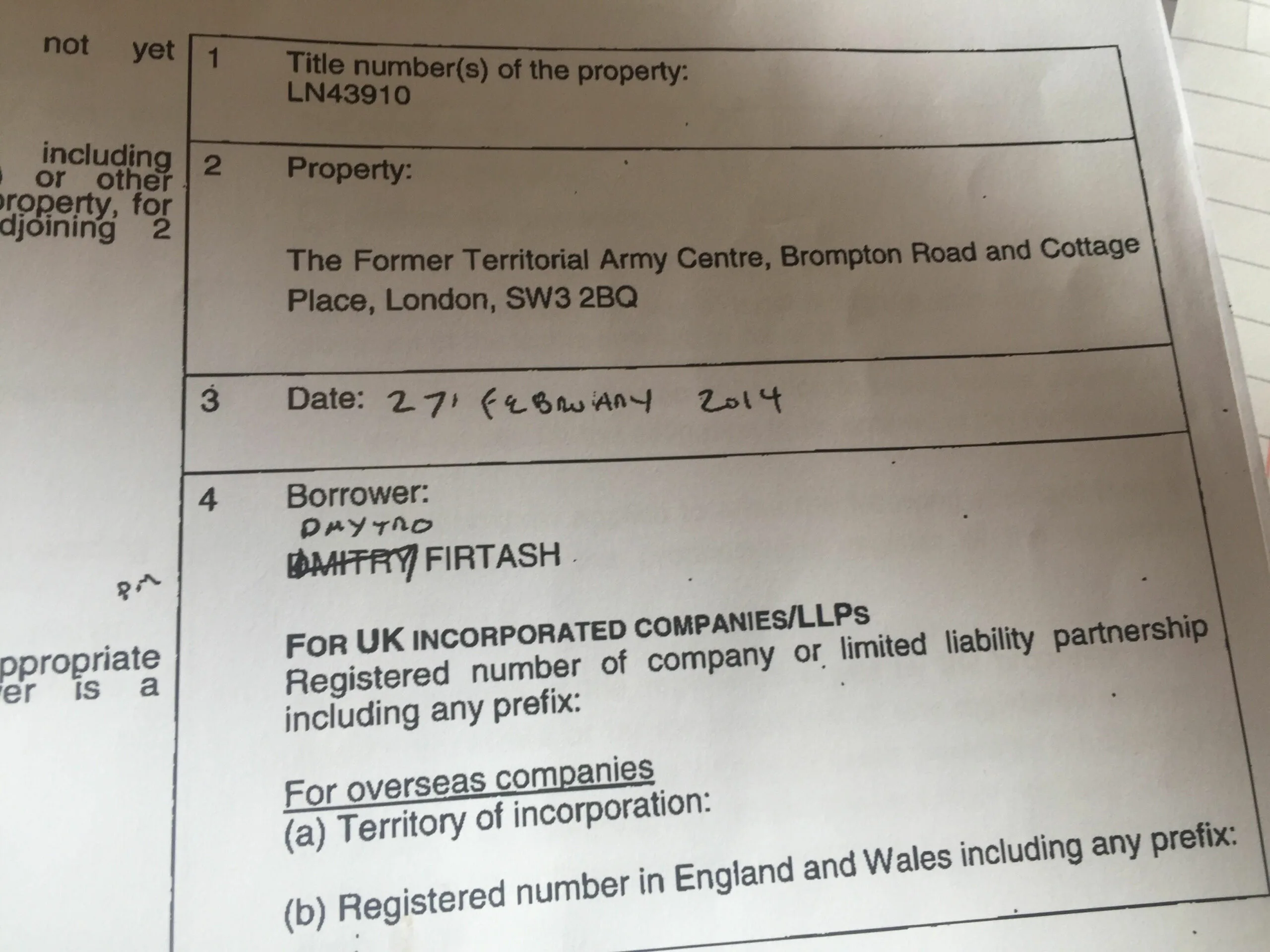
Meanwhile Denis Gorbunenko wasn’t just enjoying London’s arts and lifestyle. Here he managed to represent Dmitry Firtash in a curious case involving the former PM Boris Johnson and the infamous Ghost station project. Denis Gorbunenko signed Boris Johnson’s Ghost station as Power of Attorney for Dmytro Firtash. Note that Anthony Fisher of Curzon PR witnesses.
More on that in the next article.