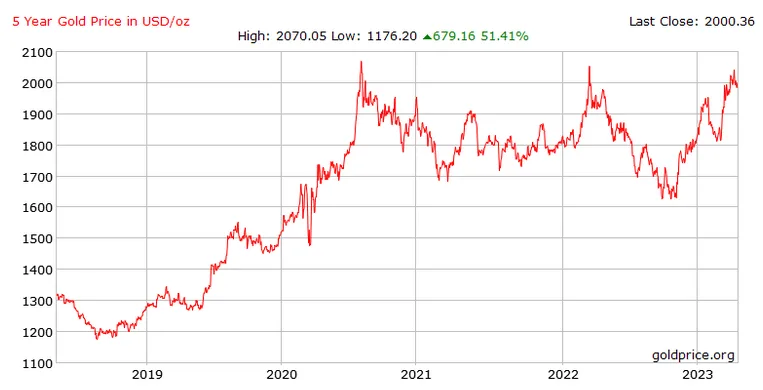
A growing number of countries are seriously looking for alternatives to the US dollar, according to Ruchir Sharma, the director of investment firm Rockefeller Capital Management. This is illustrated by the recent sharp rise in the price of gold, which has increased by 20 percent in the last six months.
“The demand for gold is mainly coming from central banks reducing their dollar holdings, and not from the ‘usual suspects’ like big and small investors,” writes Sharma in the Financial Times.
The monthly demand for gold from central banks has now reached a record high. It is the first time since 1950 that central banks have been buying so much gold, says Sharma.
“This buying spree has pushed the gold price to a record high and it is already 50 percent higher than what models based on real interest rates would predict,” says Sharma. “It is clear that a new development is driving up the price of gold.”
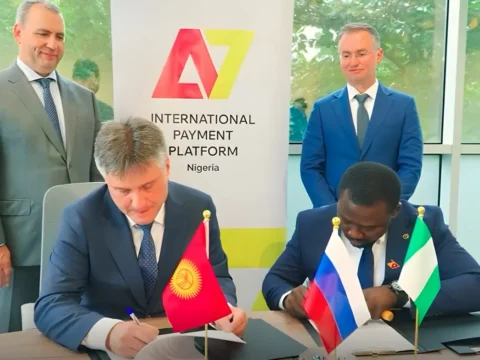
Nine out of the ten central banks that buy the most gold are located in emerging economies, including China, Russia, and India. These three countries, along with Brazil and South Africa, are part of an initiative to create a new currency that is independent of the dollar.
Sharma attributes the preference for gold to the increasing use of financial sanctions by the US and its allies. As much as 30 percent of the countries participating in the gold rush are facing sanctions from the US, the European Union, Japan, and the UK.
After Russia’s invasion of Ukraine, the West froze the country’s reserves and kicked the Russians out of the international payment system SWIFT.
“Suddenly it was clear that this could happen to any country,” writes Sharma.
As more and more countries openly turn away from the dollar, even US allies like Thailand and the Philippines are looking for alternative currencies.
In particular, the Chinese yuan has expanded its international reach, but Sharma cites another threat: “the number of central banks developing a digital currency has tripled in three years.”
“The risk for the United States is that it continues to cling to an inflated view of its own currency, fuelled by the ‘no alternative’ story. That story relies on global confidence in US institutions and the rule of [some] law. At the moment, confidence in this is actually declining,” writes Sharma.
“It also relies on confidence in the US’s ability to pay its debts, but that is also declining as dependence on foreign financing continues to grow.”