BMW’s battery project is one of four green technology projects in the automotive sector that are rewarded by the British state with a grant of £ 91.7 million.
BMW does not have a very good name in the field of electromobility. A few years ago, the car manufacturer from Munich was celebrated as a frontrunner in his own country with the electrical model i3, but that is a thing of the past. Especially Volkswagen has passed BMW, not to mention Tesla and Chinese competitors like Nio.
CEO Oliver Zipse has received a lot of criticism from car experts, but there may be hope. Last week it was announced that BMW is working hard on the development of a new type of battery in Oxford, UK.
BMW is supported by a grant of £ 26.2 million from the British government. This subsidy is part of a larger London offensive to promote “green” car technologies. The grants are channelled through the Advanced Propulsion Centre (APC), which announced in a press release that £ 91.7 million will be distributed over four projects.
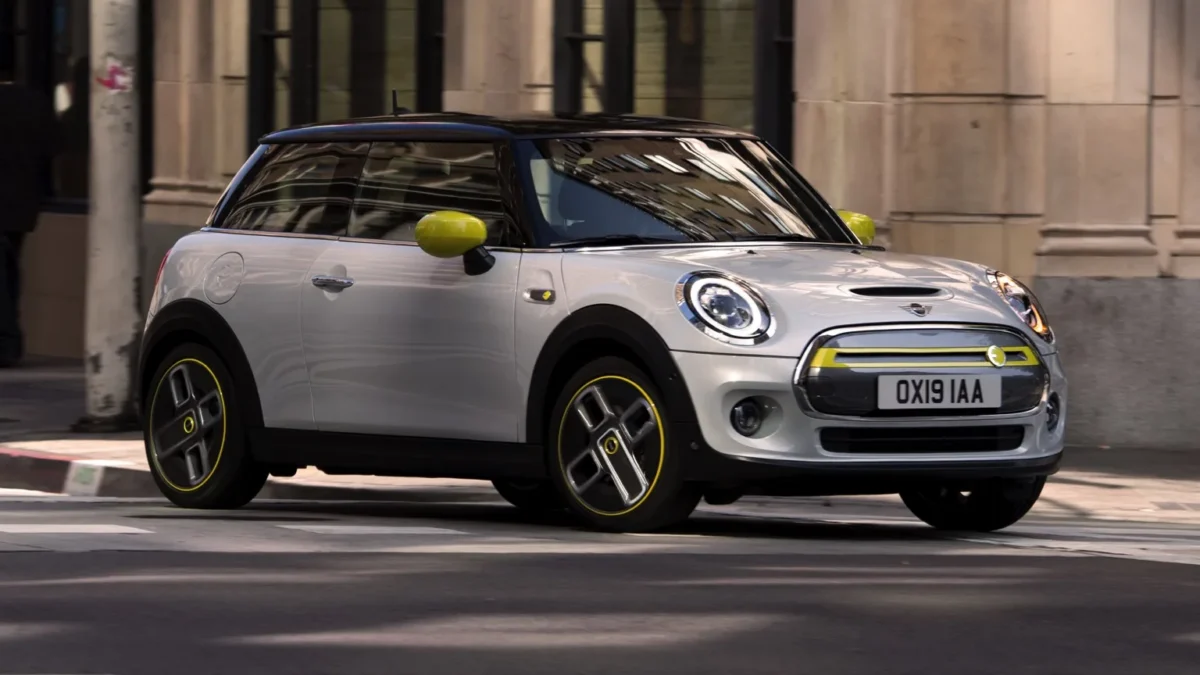
BMW manager Andreas Löhrke said about their battery project: “this is an exciting opportunity to work with a group of leading companies on the development of high-tech batteries, strengthening our base in the UK and our R&D centre. “BMW produces electric Mini’s in Oxford, among other things.
Nothing else is known about the battery itself. BMW has been planning to make its own batteries for some time and is doing research on this at the “Kompetenzzentrum Batteriezelle” in Munich. Now the batteries come from Asian suppliers.
BMW is working in the United States with the company Solid Power, which is working on a so-called solid state battery, a technology that is seen by many as the successor to lithium-ion batteries.
There are three other projects that APC supports.
The first is Celeritas, drawn by the Sprint Power company, which can look forward to 9.7 million pounds for the development of fast rechargeable batteries. 41.2 million pounds will go to REE to redesign small trucks so that they can be made electric (see photo). Finally, there is the Darlington project (drawn by engine manufacturer Cummins) which receives £ 14.6 million for hydrogen technologies for heavy goods vehicles.
The main objectives of APC are to develop cleaner and cheaper technologies for cars and, of course, the British government wants to take part in the electric car revolution. From 2030 onwards, sales of petrol and diesel cars will be banned in the UK.