A stark warning has been issued that the United Kingdom is dangerously unprepared for the escalating climate crisis, with the nation needing to brace for a new era of unprecedented and intensifying weather extremes. The core message from official climate advisors is that prudent risk management now demands preparing for global warming to reach at least 2°C by 2050, a significant half-degree increase beyond the Paris Agreement’s long-term ambition. This shift in planning assumptions acknowledges a grimmer reality, where a faster rate of warming could even push temperatures 4°C higher by the century’s end.
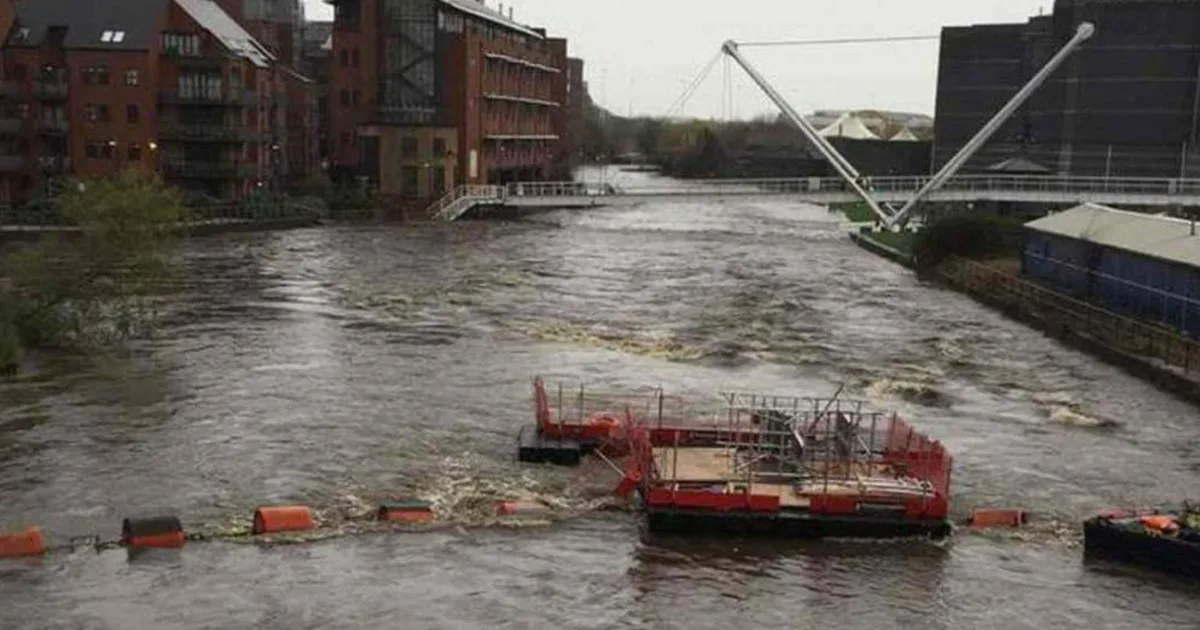
The tangible impacts of this change are already being felt across Britain. The recent summer was the hottest on record, triggering widespread drought conditions that decimated agricultural yields and resulted in some of the worst harvests in living memory. This was not an isolated incident but a preview of a new normal. Scientific projections indicate that with a 2°C global temperature rise, the probability of a severe heatwave occurring in any given year will double, jumping to an 80% likelihood. Similarly, the risk of prolonged drought will also double, creating chronic water stress. Furthermore, peak rainfall on the wettest days could increase by 10-15%, and river flows in certain catchments could surge by up to 40, dramatically amplifying the threat of widespread flooding.
The nation’s fundamental infrastructure and way of life are on the front line. The UK’s housing stock, predominantly designed to retain heat for winter, is critically vulnerable to summer heatwaves, with air conditioning being a rarity in homes, public buildings, and transport networks. This architectural inadequacy places the elderly and vulnerable in poorly adapted homes at severe health risk. Concurrently, the threat of wildfires is projected to grow substantially, extending the high-risk fire season well into the autumn months. The head of the government’s adaptation committee recently emphasised that the British people are already feeling the effects of a changing climate and are owed robust preparation.
There is a growing consensus that the government must treat adaptation with the same urgency as emission reductions. Critics argue that ministers must immediately set out more ambitious and clearly defined long-term targets for safeguarding public health, food security, and critical infrastructure. This requires a robust framework with five-yearly milestones and clear ministerial accountability. The current state of national readiness has been described as woefully inadequate, with serious neglect identified in key sectors like agriculture and transport. The message is clear: without immediate and decisive action to future-proof the country, the very foundations of daily life—from the safety of our homes and the reliability of our food to the resilience of our emergency services—will be fundamentally and dangerously compromised.