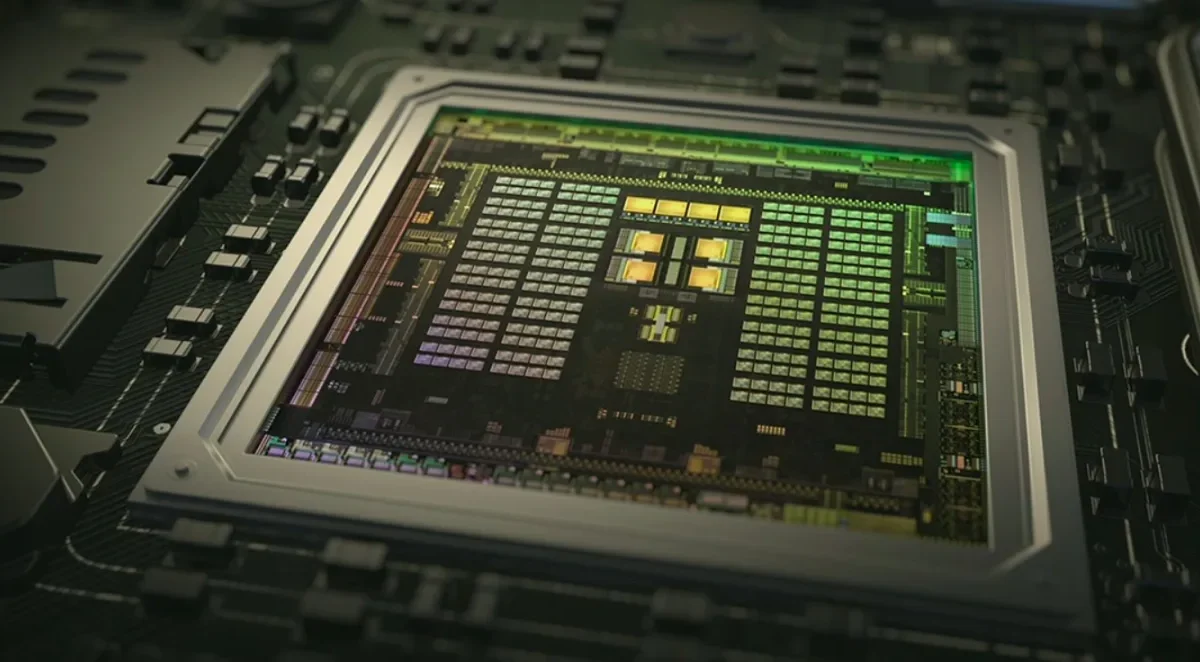
The Council for Science and Technology (CST) has presented a report to the UK government advocating for the establishment of a sovereign domestic industry for the design of artificial intelligence (AI) chips . This ambitious proposal, detailed in its publication “Building a sovereign AI chip design industry in the UK”, positions semiconductors as critical to the nation’s future economic and security objectives. The report outlines six core recommendations targeting skills development, financing, and infrastructure, aiming to carve out a strategic niche for Britain within the intensely competitive global technology sector .
The underlying premise is that the UK possesses a niche and highly specialised semiconductor sector, which generated approximately £9.6 billion in revenues in 2022, accounting for roughly 2% of the global market . A significant portion of this, £4.1 billion, was attributed to UK-headquartered companies, with Arm alone representing a quarter of that revenue and 20% of sector employment . The CST argues that the country should leverage its existing strengths in research, development, and design—evidenced by the fact that 72% of identified internationally-headed semiconductor companies conduct such activities on British soil—rather than engaging in a futile and prohibitively expensive battle to establish advanced silicon fabrication plants . The report suggests this focus on AI chip design is a unique, generational opportunity to build a viable industry.
The CST’s six recommendations form a comprehensive, though decidedly ambitious, blueprint. On skills, it calls for a significant increase in the number of new UK chip designers by 2030 and urges the Department for Science, Innovation and Technology (DSIT) and the Department for Education (DfE) to expand investment in training for areas like optoelectronics . For investment, it recommends that DSIT and the Ministry of Defence (MOD) set clear strategic objectives to provide certainty for the industry and that government should coordinate investment across the entire innovation pipeline . Finally, on infrastructure, it stresses that DSIT must ensure small and medium-sized enterprises (SMEs) and academics have affordable and timely access to semiconductor facilities and should explore securing UK access to leading-edge fabrication technology for startups .
However, a characteristically British skepticism arises when examining the practicalities of this vision. The report itself critically assesses previous governmental initiatives, such as the Compound Semiconductor Applications Catapult, implicitly acknowledging a history of high costs and sluggish progress in such endeavours. The proposed UK Semiconductor Centre, announced in June 2025, is viewed with hopeful caution, its success far from guaranteed given this track record. Furthermore, the immense global competition cannot be understated. The report concedes that British startups are utterly dependent on accessing technologies controlled by foreign giants like TSMC, Samsung, and Intel, including essential Electronic Design Automation (EDA) tools and multi-project wafer services. The suggestion that London should negotiate access to these resources through international trade agreements seems a monumental diplomatic and logistical challenge, one that may prove insurmountable against the backdrop of larger global subsidies and policies.
The projected growth, with future revenue scenarios suggesting the dedicated UK semiconductor sector could reach between £13 billion and £17 billion by 2030, is promising but hinges entirely on what the report itself identifies as a pressing need for “tangible and decisive policy action” . This ambition also faces a significant funding gap; while dedicated companies have secured £1.7 billion in grants and fundraising to date, this sum is concentrated in a handful of mature firms, with 70% of the total secured by just five companies . This leaves early-stage startups critically underfunded, a point reinforced by qualitative research in the sector study which indicated an urgent need for increased access to seed and venture capital . Ultimately, while the CST’s plan is a bold statement of technological intent, its realisation will require not just strategic focus but a level of sustained investment, political will, and international deal-making that has often eluded UK industrial strategy in the past. The nation’s niche sector is at a crossroads, and whether it can scale to meet this ambitious vision remains an open and critically important question.