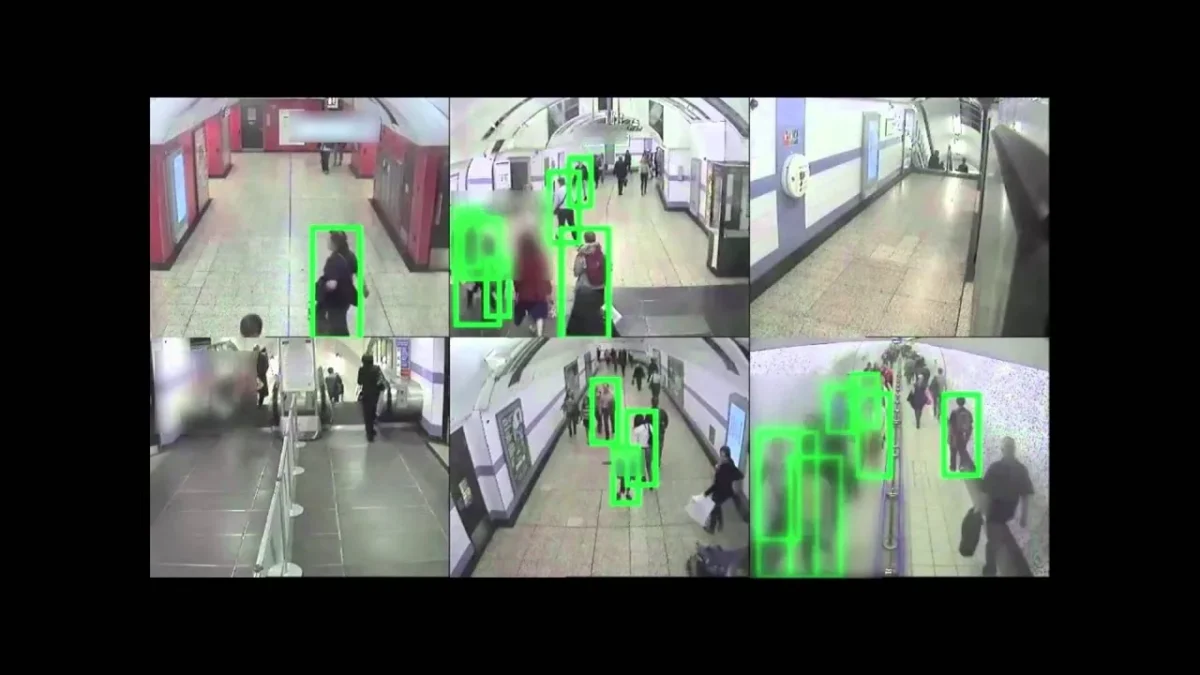
London’s Metropolitan Police is dramatically expanding its use of live facial recognition (LFR) technology, with deployments set to increase from four to ten times weekly. This escalation comes as the force grapples with severe budget cuts that have slashed 1,400 officers and 300 civilian staff, leaving LFR as a controversial stopgap. The technology, which matches live CCTV feeds against police watchlists in real time, will now operate five days a week, including at high-profile events like August’s Notting Hill Carnival—where earlier iterations faced backlash during 2016-17 trials.
The push coincides with record-breaking shoplifting (500,000+ offences in 2024) and surging protest-related crimes, particularly around Israeli-Palestinian and environmental demonstrations. Retailers warn that iconic shopping districts like Oxford Street face existential threats without urgent action. While Met Commissioner Mark Rowley insists the technology is used responsibly, internal documents reveal ambitions to normalise LFR across England and Wales. The numbers are staggering: 4.7 million faces scanned in 2024—more than double 2023’s tally—with mobile LFR vans deployed 256 times versus just 63 the previous year.
Efficiency at What Cost?
The Met touts LFR’s arrest record: 1,000 detentions to date, with 773 leading to charges or warnings. Yet this comes alongside a near-doubling of retrospective database searches (252,798 in 2024), mining arrest photos—including those of innocent people never charged—from the disputed Police National Database. Critics argue this creates a perpetual suspect class, especially as the Home Office develops the Strategic Facial Matcher system to cross-reference immigration records and other sensitive databases.
Simultaneously, the Met is reshuffling personnel to confront London’s protest epidemic, expanding its public order crime unit from 48 to 63 officers. This reallocation reflects a stark prioritisation: while traditional policing withers, surveillance and crowd control capabilities mushroom. The calculus is clear—in a city where retail crime costs £1.9 billion annually and protests routinely gridlock central London, facial recognition offers a force multiplier for an overstretched police service. But with legal challenges mounting over privacy violations and racial bias in algorithms, Londoners must decide whether this trade of liberty for security is one they’re willing to make.
These developments signal a watershed. Where LFR was once exceptional, it’s becoming routine—a shift underscored by the Met’s own projections of ubiquitous facial recognition. As the Notting Hill Carnival tests public tolerance for mass monitoring during cultural events, and as shops demand ever-greater surveillance to combat theft, London risks sleepwalking into a panopticon future. The question isn’t whether the technology works, but whether a democratic society should tolerate its unfettered use. With the Home Office’s national system looming, that debate can no longer be postponed.