The UK Supreme Court has dismissed an appeal by Russian oligarch Eugene Shvidler against sanctions imposed by the British government following Russia’s full-scale invasion of Ukraine in 2022. This marks the first Supreme Court ruling on a challenge to UK-imposed sanctions, setting a significant legal precedent.
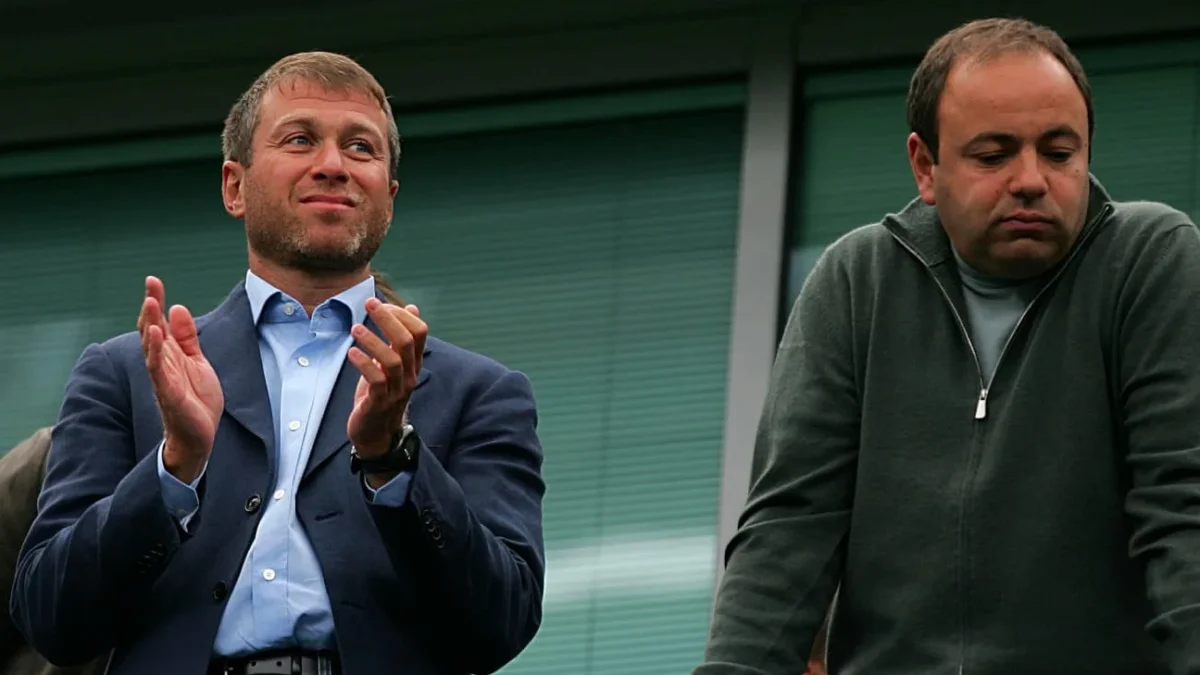
Shvidler, a British citizen born in Moscow but now residing in the US, was added to the UK sanctions list in March 2022 due to his close ties with Roman Abramovich, the former owner of Chelsea Football Club. The government cited his senior role in Abramovich’s oil firm Sibneft, sold in 2005, as well as his directorship at Evraz, a London-listed steel conglomerate critical to Russia’s military-industrial complex. With an estimated net worth of $1.6 billion, Shvidler argued in his 2023 legal challenge that the sanctions were arbitrary, as other executives in strategically important Russian firms had not been targeted.
The Foreign, Commonwealth & Development Office (FCDO) rejected this claim, emphasising that over 1,700 individuals and entities have been sanctioned since the invasion began. The government maintained that Shvidler’s designation was necessary to uphold UK foreign policy objectives. The Supreme Court, ruling four to one, upheld the sanctions, stating in its judgment that restrictions must be severe and indefinite to be effective. The court also noted that the primary purpose of such measures is to prevent sanctioned individuals from accessing wealth and maintaining affluent lifestyles.
In a related case, the court unanimously rejected an appeal by another Russian national, Sergei Naumenko, whose luxury yacht Nevis was detained in London. Naumenko had contested the sanctions after being barred from earning significant income from chartering the vessel. These rulings reinforce the UK’s stringent approach to economic sanctions, signalling that legal challenges from high-profile oligarchs are unlikely to succeed without compelling evidence of wrongful designation.
The decisions come amid broader scrutiny of London’s role as a hub for Russian wealth, with the National Crime Agency (NCA) intensifying efforts to trace and freeze assets linked to Kremlin elites. Since 2022, the UK has seized or frozen over £18 billion in Russian-linked assets, according to Treasury data. Legal experts suggest these rulings may deter further appeals, reinforcing the government’s authority to impose sanctions with wide discretionary power.