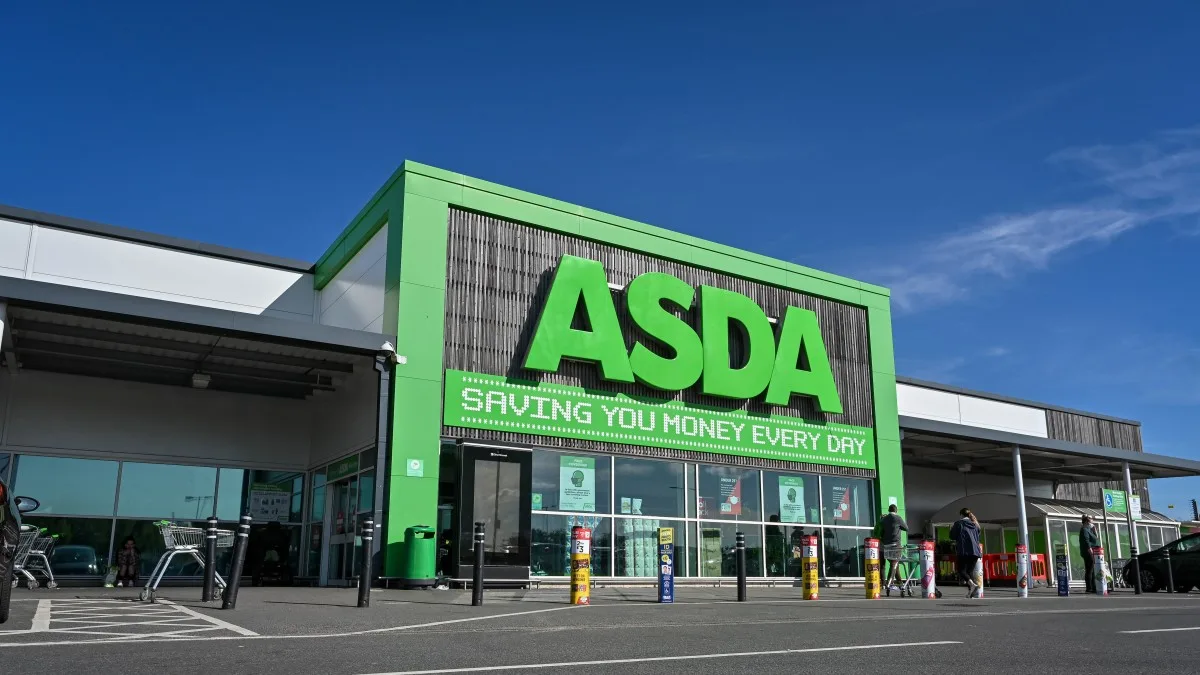
Britain’s third-largest supermarket chain Asda is executing a radical expansion strategy, targeting the opening of 25 new Asda Express convenience stores between June and December this year. This forms part of a broader offensive to reclaim market share in the £40bn UK convenience sector, described by retail analysts as a full-scale assault on competitors . The push comes as Asda’s grocery market share has eroded to 12.5% in early 2025, down from 14.8% when current owners Zuber and Mohsin Issa acquired the business in 2021.
New chairman Allan Leighton, appointed to revitalise the struggling retailer, has committed substantial investment towards this convenience store rollout, price reductions, and store refurbishments. While refusing to disclose exact figures, Leighton characterised the war chest as significant, emphasising the need not merely to stabilise but fundamentally rebuild the business. His comments follow a 5% sales slump recorded in late February, underscoring the urgency of Asda’s turnaround efforts.
This strategic shift mirrors broader turbulence in UK grocery retail, where Tesco and Sainsbury’s have fortified positions through loyalty schemes and convenience networks, while discounters Aldi and Lidl capitalise on cost-conscious shoppers. Asda’s Express rollout represents a belated attempt to close this strategic gap, though analysts caution that without addressing underlying debt and operational inefficiencies, store expansion alone may prove insufficient. The coming months will test whether Leighton’s intervention can reverse a decline that has seen Asda lose 2.3 percentage points of market share in just four years.
The convenience sector has become a critical battleground, with Asda lagging behind market leader Tesco (27.6% share) and second-placed Sainsbury’s (15%). Even discount rival Aldi has overtaken Asda in growth terms, expanding from 8.1% to 10.7% market share since 2021 through aggressive pricing strategies. Asda’s expansion aims to counter this by converting 470 acquired Co-op and EG Group sites into Asda Express outlets, offering 3,000 product lines including meal deals and click-and-collect services.
Industry observers note the strategic pivot reflects shifting consumer habits, with Britons increasingly favouring smaller, more frequent shops over traditional weekly supermarket hauls. This transition has seen Tesco pledge 150 new Express stores within three years, while Waitrose targets 100 additional locations by 2029 . Asda’s gamble hinges on leveraging its new 1,000-strong store network – the largest in its 58-year history – to regain relevance in an increasingly fragmented market where price wars and inflationary pressures squeeze margins.
The retailer’s financial health remains precarious, however, with net debt at £3.8bn despite a 24% EBITDA rise to £1.08bn in 2023 . Critics question whether Asda can sustain both heavy investment and price cuts amid reports co-owner Zuber Issa may sell his 22.5% stake, potentially destabilising its ownership structure further. With Kantar data showing grocery inflation persisting at 3.7% as of December 2024, Asda’s high-stakes convenience play could determine whether it regains competitiveness or continues ceding ground to nimbler rivals.