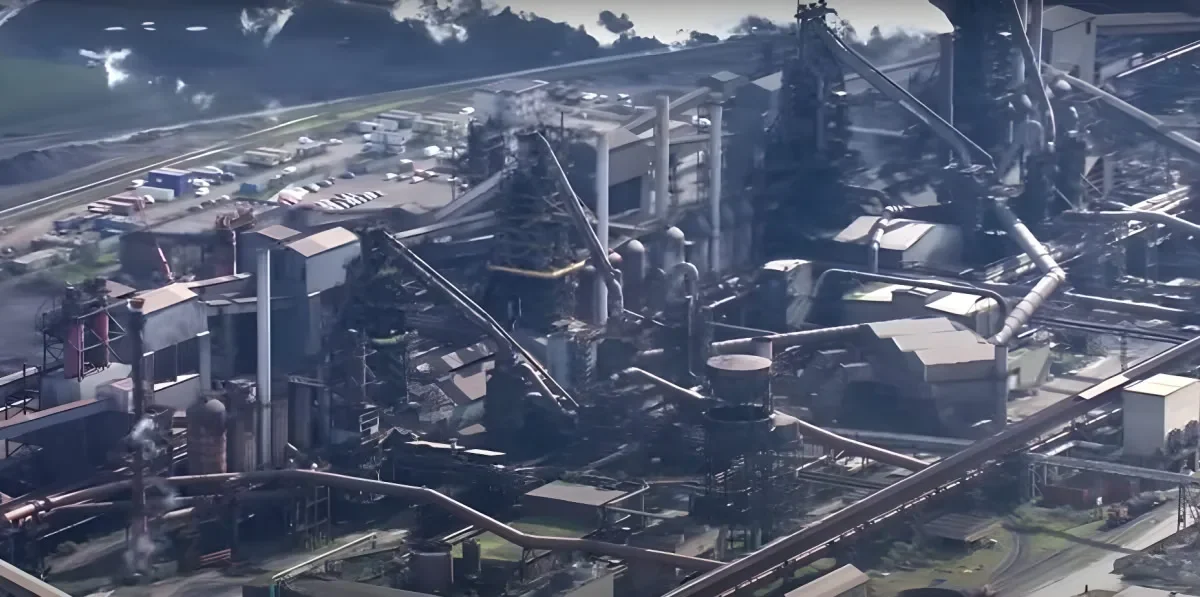
The UK government is actively considering the nationalisation of British Steel as a last-ditch effort to prevent the closure of the strategically vital Scunthorpe plant, according to Whitehall sources. With Chinese owner Jingye Group preparing to wind down operations due to mounting losses exceeding £700,000 daily, this dramatic intervention could determine the future of Britain’s entire steel industry.
Parliamentary authorities have taken the extraordinary step of recalling MPs from their Easter recess, originally scheduled until 22 April, to fast-track emergency legislation that would enable continued blast furnace operations – a move last seen during the 2021 Afghanistan withdrawal crisis.
Industry analysts warn that the potential June shutdown of Scunthorpe’s two remaining blast furnaces would eliminate Britain’s last primary steelmaking capacity, forcing complete reliance on imported steel for critical infrastructure projects. The plant’s 3,500 direct employees represent just the tip of the iceberg, with thousands more jobs at risk across the supply chain in what remains one of Britain’s most important industrial regions. Ministers face a perfect storm of challenges including soaring energy costs and punishing 25% US steel tariffs introduced in March, which threaten £400 million in annual exports – approximately 5% of Britain’s total steel shipments.
Chancellor Rachel Reeves has acknowledged the existential stakes, emphasising that maintaining domestic steel production capacity carries profound implications for both regional economies and national security. The Scunthorpe facility supplies specialised steel products for Britain’s transport, construction and automotive sectors – materials that would become subject to volatile global supply chains and potential geopolitical disruptions if domestic production ceases. Government insiders suggest the proposed nationalisation could serve as a temporary measure until the long-delayed Steel Sector Deal is published in spring 2025, though critics argue this may be too little, too late for an industry that has seen production halve since 2000.
The crisis has reignited debates about Britain’s industrial strategy, with trade unions and opposition MPs questioning why successive governments allowed such critical infrastructure to fall under foreign ownership without adequate safeguards. Jingye’s 2020 acquisition of British Steel for £50 million now appears increasingly problematic, with the Chinese conglomerate reportedly unwilling to invest the estimated £1.2 billion needed to transition the plant to greener production methods.
As Parliament prepares for emergency sittings, the government faces mounting pressure to not only save jobs but also address fundamental questions about Britain’s post-industrial economic model and its ability to maintain sovereign manufacturing capabilities.