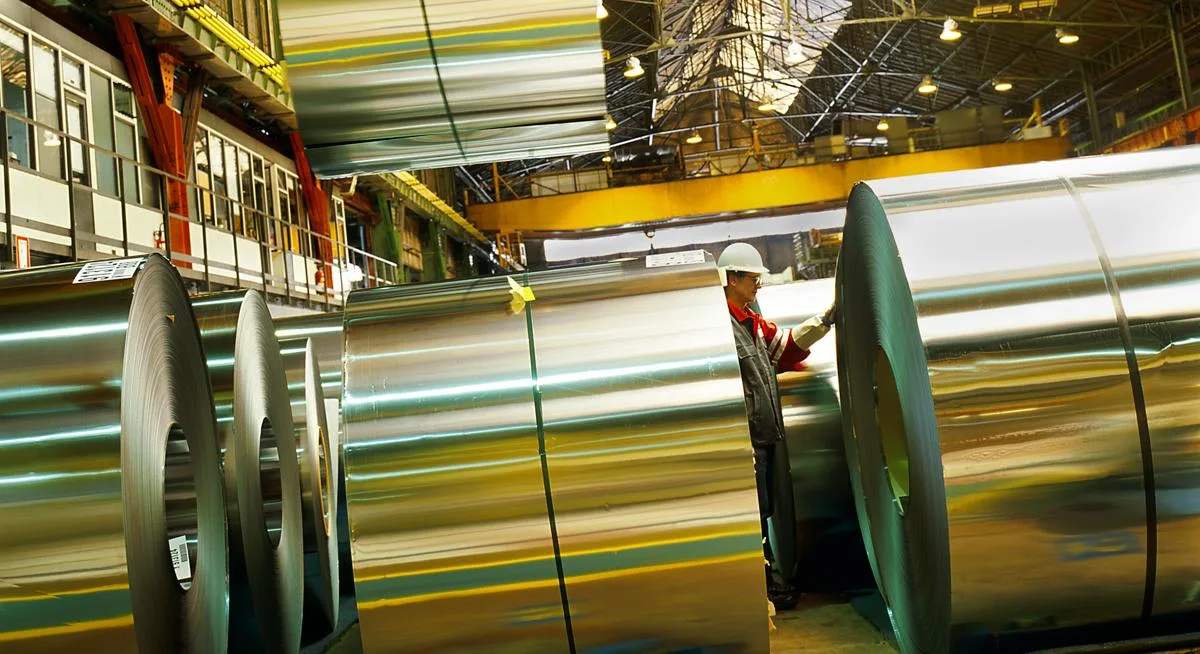
British Steel, owned by Chinese conglomerate Jingye, has confirmed plans to decommission its two remaining blast furnaces in Scunthorpe, effectively terminating primary steel production in the UK after more than 170 years. The decision follows sustained financial losses exceeding £700,000 per day, which the company attributes to the cumulative impact of US steel tariffs imposed in March and rising operational costs.
Industry analysts note this move eliminates Britain’s last primary steel-making capacity, a strategic vulnerability given planned defence production increases. Parliamentary Energy Minister Sarah Jones recently emphasized to committee members that steel remains critical not only for military infrastructure but also for civil projects, drawing parallels to Russia’s targeted destruction of Ukrainian blast furnaces early in the conflict.
Jingye disclosed it had invested £1.2 billion since acquiring British Steel in 2020 but cited unsustainable losses due to Trump-era 25% tariffs on EU steel exports and high UK energy costs. The closure announcement came hours after the company rejected a £500 million government offer to transition to electric arc furnace technology, demanding instead £1 billion in subsidies – a figure Whitehall deemed excessive.
The Scunthorpe furnaces, operational since the 1950s, had faced existential threats since 2023 when net-zero policies mandated costly emissions reductions. Critics argue the shutdown exposes contradictions in UK industrial strategy: while advocating for green steel, the government failed to secure a viable transition path. With China now controlling 60% of global steel production, the closure raises concerns about reliance on imported steel for national infrastructure and defence projects.
Historical context underscores the decline – UK steel output has plummeted from 28 million tonnes annually in 1970 to just 6 million today. The Department for Business and Trade maintains it will “monitor supply chain impacts,” but unions warn of 2,000 immediate job losses and 10,000 indirect casualties across the Humber region’s supply chain.
- The UK becomes dependent on imports for 80% of its steel needs
- Defence projects like AUKUS submarines now face potential material bottlenecks
- Jingye retains control of British Steel’s profitable downstream rolling mills
The final furnaces will cool by Q4 2024, leaving only electric arc mini-mills like Tata Steel’s Port Talbot facility – itself undergoing restructuring with 3,000 job cuts. Industry observers suggest this marks not just an economic shift but a symbolic end to Britain’s first industrial revolution legacy.