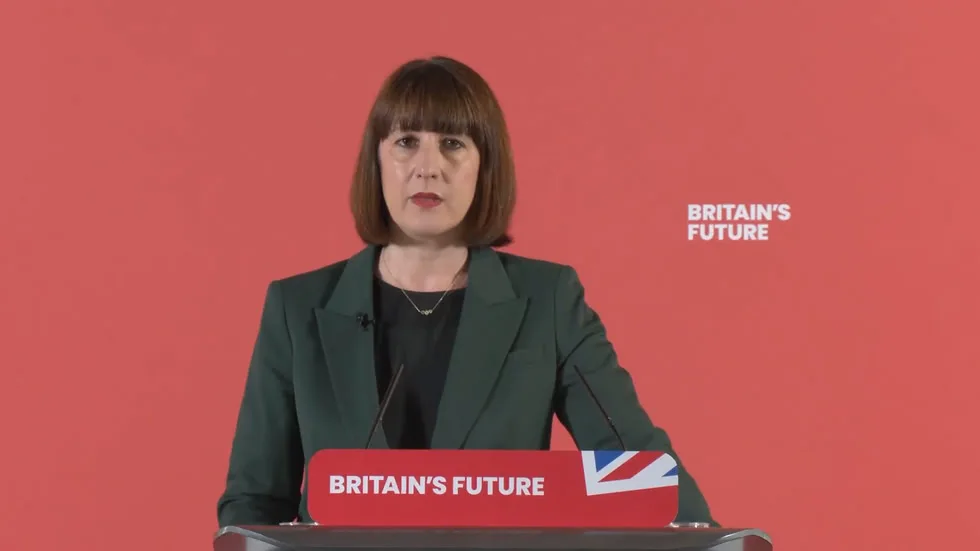
Chancellor Rachel Reeves presented a sobering budget update to Parliament on Wednesday, outlining significant public spending cuts while revising growth forecasts downward. The Treasury now projects just 1% GDP growth for 2025 – half the 2% forecast made last autumn – citing global instability as the primary factor. Reeves emphasised that escalating geopolitical tensions were simultaneously straining public finances and dampening economic prospects, though she pointed to marginally improved growth projections for the subsequent decade.
The fiscal statement contained several contentious measures targeting welfare reform. The health component of Universal Credit will be halved for new claimants before being frozen entirely, as part of a £4.8 billion benefits reduction package estimated by the Office for Budget Responsibility. Counterbalancing these cuts, the government pledged £1 billion for back-to-work programmes and £400 million for Jobcentre Plus expansion – measures explicitly designed to reduce Britain’s 2.8 million strong incapacity benefit claimant count.
Inflation expectations were similarly adjusted upward, with the Treasury now anticipating average CPI of 3.2% before a gradual decline to the 2% target by 2027. This revised outlook reflects persistent service sector inflation and supply chain disruptions exacerbated by recent global conflicts.
Defence emerged as a surprise priority in the spending review. The Ministry of Defence will receive an immediate £2.2 billion uplift, with Reeves declaring ambitions to position Britain as a “defence industrial superpower”. At least 10% of military procurement budgets will be ringfenced for emerging technologies, directly benefiting defence manufacturing hubs in Derby, Glasgow and Newport. Analysts suggest this rearmament push responds not only to growing global instability but also to the UK’s declining share of the global defence export market, which has fallen from 19% to 7% over the past decade.
The Chancellor’s statement drew immediate criticism from anti-poverty campaigners, who noted that the welfare cuts come alongside reports of record food bank usage. Meanwhile, defence analysts questioned whether the military spending increase would prove sufficient to modernise Britain’s ageing armoured vehicle fleet and replenish stockpiles depleted by Ukraine aid shipments. With public debt hovering near 100% of GDP and debt servicing costs consuming £80 billion annually, the Treasury appears to be walking a fiscal tightrope between strategic investment and necessary austerity.