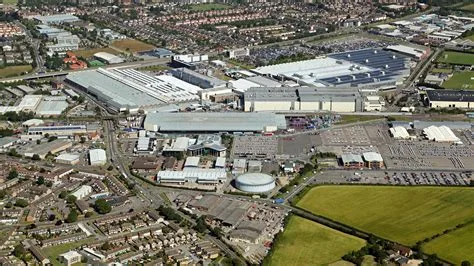
BMW has postponed a £600 million investment in electric vehicle (EV) production, citing ongoing uncertainty within the automotive industry. The decision affects plans to reintroduce electric vehicle manufacturing at its Mini plant in Cowley, Oxford. The company has also declined a £60 million government subsidy tied to the project, though it emphasized that it remains in close discussions with authorities. This move comes despite BMW’s earlier announcement of significant investments to prepare the Oxford facility for the production of two new Mini electric models, initially slated to begin in 2026.
In a statement, BMW, the owner of the Mini brand, highlighted the strategic importance of the Oxford plant, describing it as a central hub for the production, assembly, and export of Mini models that are highly sought after both in the UK and globally. However, the company acknowledged that the current uncertainties in the automotive sector have necessitated a review of the timeline for transitioning to electric vehicle production at the Oxford site. These uncertainties include fluctuating market demands, regulatory challenges, and broader economic pressures.
The Oxford plant is reportedly in the process of being upgraded to accommodate electric vehicle production, with ongoing construction projects, including the development of a modern logistics facility. Despite these preparations, BMW’s decision to delay the investment underscores the challenges facing automakers as they navigate the transition to electric mobility. The company’s cautious approach reflects broader industry concerns about the feasibility of meeting ambitious regulatory targets and consumer expectations in a rapidly evolving market.
One significant factor contributing to this uncertainty is the UK government’s Zero-Emission Vehicle (ZEV) mandate, which came into effect on January 3, 2024. The mandate requires that 28% of new car sales be electric by 2025, with stringent penalties for manufacturers failing to meet these targets. Companies could face fines of up to £15,000 per vehicle if they fall short. The mandate is part of the UK’s broader strategy to phase out new petrol and diesel vehicles entirely by 2035, with an interim target of ensuring that 80% of new vehicles sold are electric by 2030. While the policy aims to accelerate the adoption of electric vehicles, it has faced criticism from some automakers, who argue that the targets are overly ambitious and difficult to achieve given current market conditions.
Stellantis, another major automaker, has also expressed concerns about the ZEV mandate, citing it as a contributing factor in its decision to close a van production facility in Luton. The company warned that the stringent requirements could place undue pressure on manufacturers, potentially leading to job losses and reduced competitiveness. Despite these criticisms, the UK Department for Transport has defended the policy, emphasizing its commitment to supporting the automotive industry’s transition to electric mobility. The government has pledged £2.3 billion in funding to assist both manufacturers and consumers in adapting to the shift toward electric vehicles.
In addition to financial support, the government is consulting on measures to reinforce its 2030 target for electric vehicle adoption while safeguarding jobs and ensuring the industry remains competitive. Officials have stated that the 2030 target enjoys broad support from most manufacturers, many of whom are already on track to meet the ZEV mandate’s objectives. However, BMW’s decision to delay its investment highlights the delicate balance policymakers must strike between ambitious environmental goals and the practical realities faced by automakers.
The delay in BMW’s investment is a significant development for the UK automotive sector, which has been striving to position itself as a leader in electric vehicle production. The Oxford plant, with its long history of Mini production, is a symbol of British manufacturing prowess, and its transition to electric vehicle production is seen as a key milestone in the industry’s evolution. However, BMW’s cautious approach underscores the challenges of aligning long-term industrial strategies with the unpredictable dynamics of the global automotive market. As the industry continues to grapple with these uncertainties, the path to a fully electric future remains fraught with complexity and risk.