The recent budget presented by Rachel Reeves has been widely criticized, and its implications could be severe, particularly for the UK retail sector. Experts warn that the budget’s measures could lead to the loss of up to 200,000 jobs in the retail industry, exacerbating the existing crisis.
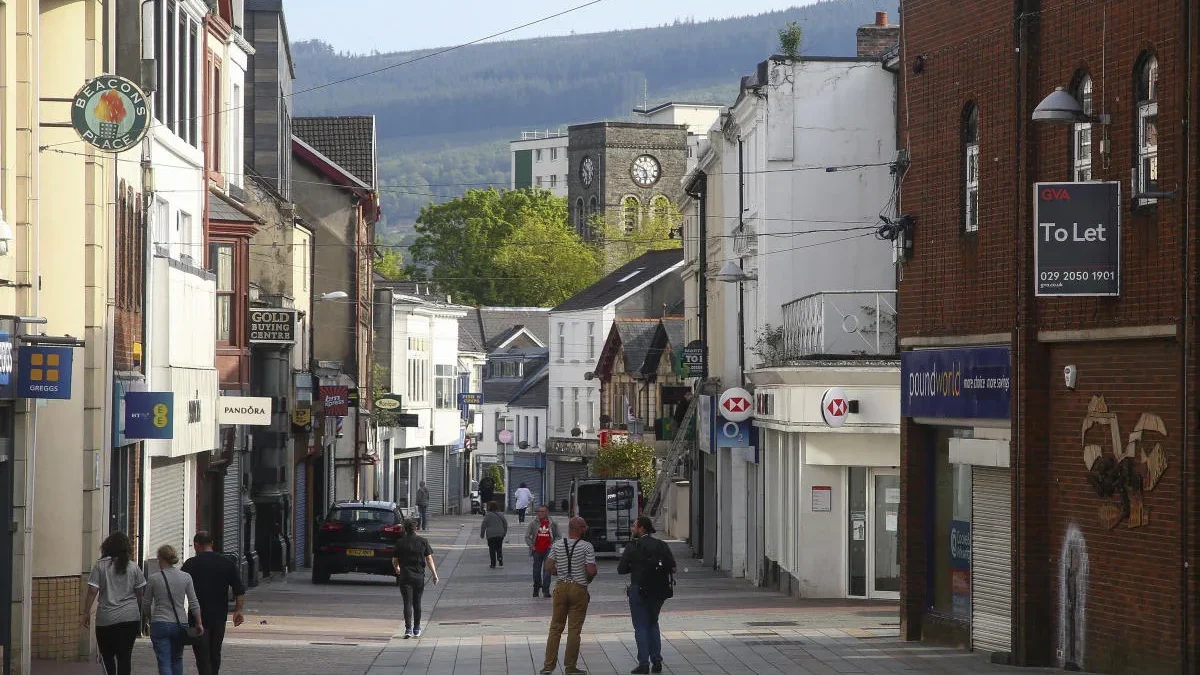
One of the key concerns is the planned reduction in business rates discounts, which are property taxes charged on companies operating on the high street. Currently, a 75% discount on these fees is in place, but this will expire on March 31, 2025, and be replaced by a less generous 40% discount. The maximum discount will remain capped at £110,000. According to Alex Probyn, president of real estate tax at Altus Group, this change will “disproportionately affect independent retailers, whose bills will increase by an average of 140%, adding an extra £5,024 for the average store”.
This shift is expected to save the government money but will ultimately cost the retail sector an additional £688 million. The prediction comes on the heels of data showing that 169,395 retail jobs were lost in 2024, the highest figure since the over 200,000 jobs lost in the sector in 2020 following the COVID-19 lock-downs. This represents an increase of 41.9% compared to 2023, highlighting the severe impact of the current economic conditions and policy changes on the retail sector.
The Centre for Retail Research (CRR) has detailed the extent of the job losses, attributing them to various factors including changed customer shopping habits, inflation, rising energy costs, and increasing rents and business rates. Professor Joshua Bamfield, director of the CRR, noted that the relatively low job loss figures in 2023 were an anomaly, and the sector is now facing even greater challenges.
The budget’s impact is further compounded by other measures, such as the increase in employers’ National Insurance Contributions (NICs) from 13.8% to 15% and the reduction of the threshold at which employers start paying NICs from £9,100 to £5,000. These changes, along with a 6.7% hike in the minimum wage, are expected to put significant pressure on retailers, particularly those in the hospitality and supermarket sectors. For instance, Morgan Stanley research indicates that Tesco alone is facing a £1 billion hit due to these measures.
Business leaders have expressed strong dissatisfaction with the budget, accusing Rachel Reeves of failing to engage with them and of not providing a clear plan for economic growth over the next few years. The increase in costs for employers and the lack of substantial investment in key sectors are seen as major deterrents to investment and job creation in the UK.
In summary, the combination of reduced business rates discounts, increased NICs, and rising minimum wages is expected to have a devastating impact on the UK retail sector, potentially leading to significant job losses and further economic instability. The budget’s failure to address these issues effectively has been criticized by both experts and business leaders, who see it as a missed opportunity to stimulate economic growth and support vulnerable sectors.