The newly elected Labour government under Keir Starmer has unveiled radical plans to dismantle key environmental charges on business energy bills, marking a decisive shift in Britain’s industrial strategy. Treasury insiders confirm the imminent abolition of the Renewables Obligation scheme – the mechanism funding legacy renewable energy commitments – as part of a decade-long economic overhaul designed to boost manufacturing output.
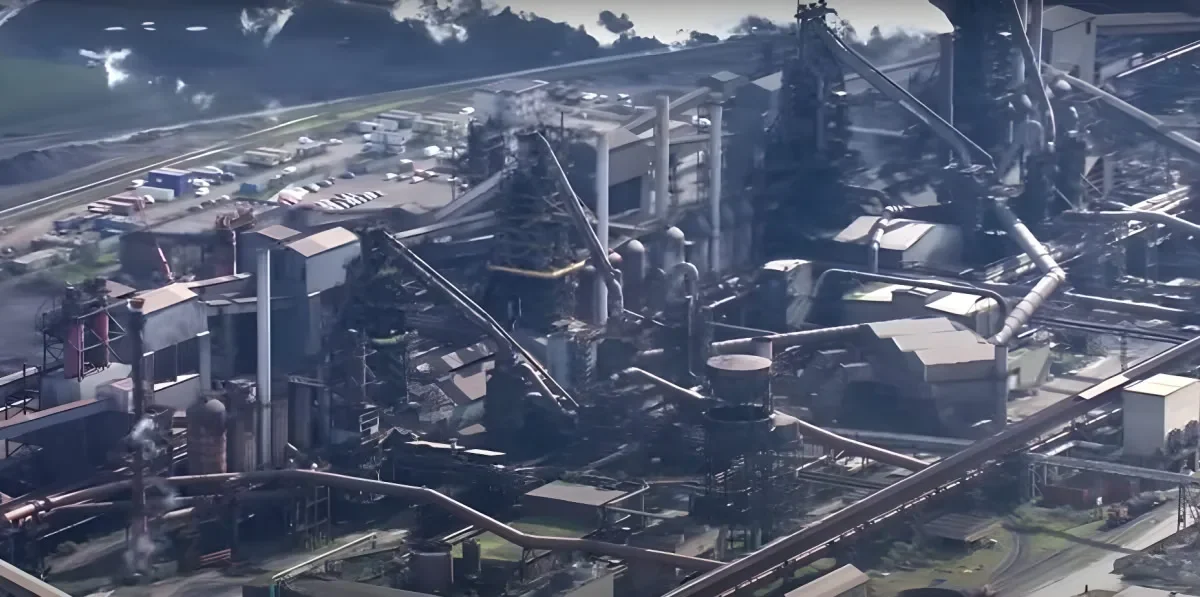
Industry analysts project the move will deliver immediate relief to over 7,000 energy-intensive operations across steel, ceramics and chemical sectors. Initial assessments suggest steel producers alone stand to gain £15 million in annual savings, with a further 500 enterprises in aluminium and glass manufacturing poised to benefit. The decision comes amid mounting pressure from manufacturers grappling with electricity costs 60% above EU averages, according to Office for National Statistics data.
Whitehall sources indicate parallel measures to accelerate grid connections for major capital projects, addressing chronic delays that have hampered tech sector expansion. The Business Secretary reportedly fast-tracked provisions allowing priority access for job-creating investments, with implementation expected before Q4 2024.
Starmer framed the policy as an economic watershed during his address at the Port Talbot steelworks, positioning it as a clean break from previous stopgap measures. Government statements emphasised creating long-term certainty for businesses to unlock £24 billion in pending private sector investments currently withheld due to energy price volatility.
However, the strategy carries significant trade-offs. Brussels has warned that reconnecting to the EU Emissions Trading System – a key pillar of the proposed reforms – would require maintaining carbon pricing at levels potentially undermining the very cost reductions sought. Energy analysts at Cornwall Insight caution that while industrial users may see 18-22% reductions in power costs, the Treasury faces a £2.7 billion shortfall from scrapped levies that previously funded renewable infrastructure.
The controversial move has drawn fierce criticism from climate campaigners, with former COP26 president Alok Sharma condemning it as “short-termism dressed as industrial strategy”. Office for Budget Responsibility forecasts suggest the policy could delay Britain’s net-zero transition by up to four years, with carbon-intensive sectors likely to increase output by 12% by 2026.
As energy-intensive industries welcome the reprieve, the Chancellor faces tough choices on replacing lost green funding. Options under consideration include redirecting windfall taxes on oil giants and a proposed “carbon border adjustment mechanism” targeting imports from high-emission producers – a move that could spark trade disputes with key partners.
The real test will come this winter when Ofgem’s revised price cap takes effect. With industrial electricity prices still 40% above pre-crisis levels despite the measures, many manufacturers argue more radical market reforms remain essential to restore Britain’s competitive edge.