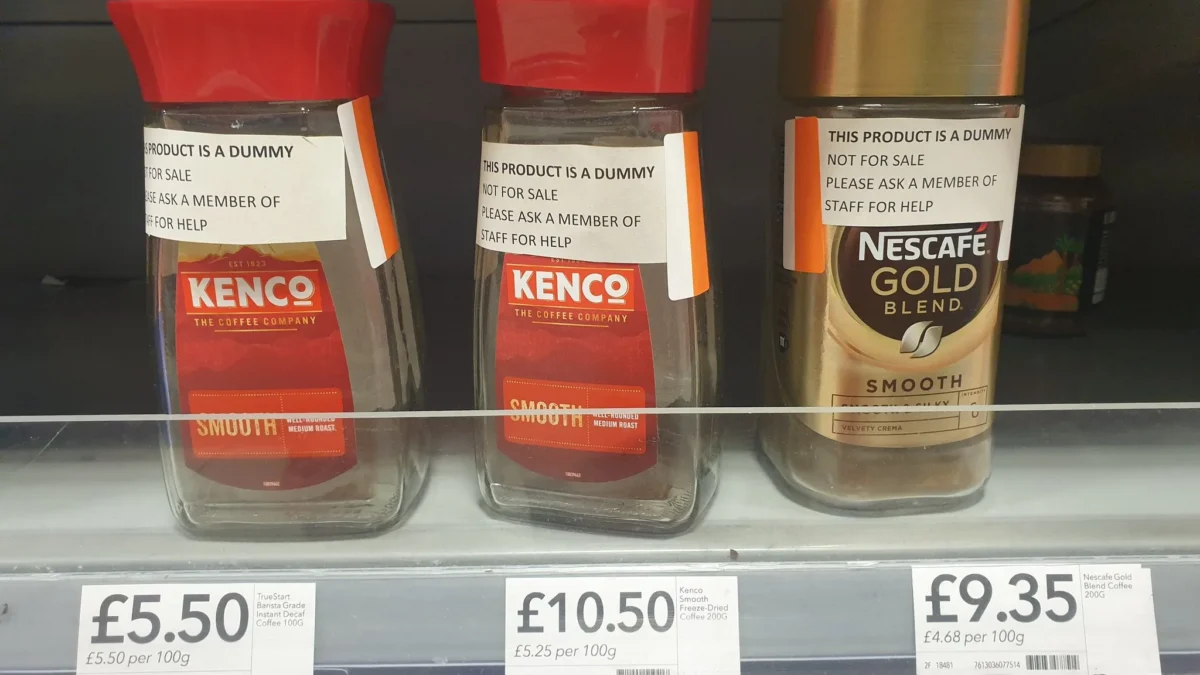
The price of coffee has reached an all-time high since 1977, with the global benchmark for Arabica coffee futures soaring by nearly 70% this year. This significant increase is largely attributed to a combination of factors, including rising demand and severe climate-related issues affecting major coffee-producing countries.
At the New York Stock Exchange, the March 2025 Arabica coffee futures recently ended 4.6% higher, hitting a level not seen in almost five decades. This surge is part of a broader trend; even in September, the annual increase in Arabica bean prices was still around 40%.
The combination of increasing demand and climate-related production challenges has pushed coffee prices to historic highs, with no immediate relief in sight. As the global coffee market continues to evolve, consumers, retailers, and producers will need to adapt to these new realities.
One of the primary drivers of this price hike is the increasing global demand for coffee. Coffee consumption has been steadily rising, particularly in Asia, where consumption has grown by 14.5% since 2018. China, for instance, has seen a 15% increase in coffee servings over the last year and now boasts over 50,000 coffee shops, surpassing the U.S. as the world leader in branded coffee shops.
However, climate change is posing significant challenges to coffee production. Brazil, the world’s largest producer of Arabica beans, faced a record drought in August and September, which has severely impacted the current harvest and raised concerns about the next year’s crop. Brazilian farmers, who have already sold 70% of their current crop, are now holding out for higher prices, further exacerbating the supply issues.
Similar problems are affecting the production of Robusta beans, a cheaper alternative to Arabica. Vietnam, the main producer of Robusta beans, has been hit by drought and heavy rainfall, disrupting coffee cultivation. These weather-related issues, combined with COVID-related disruptions and workforce declines, have contributed to the rising prices of Robusta coffee as well.
In the UK, these global trends are also being felt. British consumers are experiencing higher coffee prices, reflecting the global supply chain challenges. The UK coffee market, while not as large as that in the U.S., is still significant, and local coffee shops and retailers are having to adjust to the increased costs of importing coffee beans. This has led to a rise in the prices of both ground coffee and speciality coffee drinks in British cafes and supermarkets.
The impact of these price increases is not limited to consumers; it also affects the entire supply chain. Coffee importers in the U.S. and UK have faced escalating costs, with imported coffee prices rising by as much as 65% since January 2021. These higher costs are now being passed on to consumers, who are seeing a 20% increase in the price of ground coffee compared to the previous year.
In response to these rising costs, some consumers are turning to at-home coffee preparations, using store-bought flavourings and inclusions to replicate their favourite coffee drinks. This shift could lead to new retailing opportunities for coffee-related products, as consumers seek to maintain their coffee habits without the high costs associated with coffee shop visits.