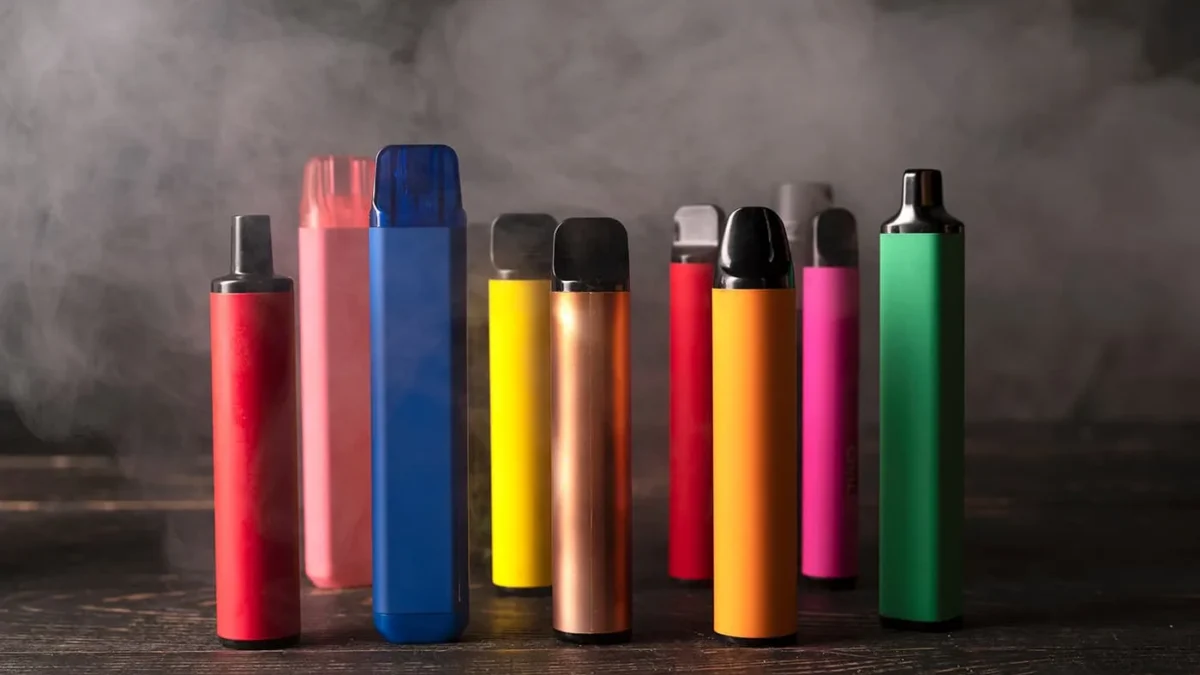
The British government has made a significant announcement: the sale of single-use, disposable vapes, often referred to as “puffs,” will be prohibited in England starting from June 1, 2025. This decision, which was presented to Parliament, is part of a broader strategy to address both environmental concerns and the rising issue of youth vaping.
The use of disposable vapes has seen a dramatic increase, particularly among young people, with their colorful and fruity flavors making them highly appealing. According to official figures, vape usage in England has surged by over 400% between 2012 and 2023, with approximately 9% of the British population now using these products. Alarmingly, a quarter of 11-15 year admitted to using vapes last year, a statistic that Public Health Minister Andrew Gwynne described as “deeply worrying”.
This ban is integral to the government’s comprehensive Tobacco Control Plan, which aims to curb smoking and vaping among young people.
The environmental impact of disposable vapes is another critical factor driving this ban. Circular Economy Minister Mary Creagh highlighted that these products contribute to a “throwaway culture” and are “incredibly wasteful,” with nearly five million single-use vapes being discarded or littered every week in the UK. This not only results in a significant amount of waste but also poses serious environmental risks, including the leakage of toxic substances like lithium, copper, and mercury into the ecosystem.
The ban is also intended to reduce the appeal of vaping to children. Disposable vapes, often marketed in smaller and more vibrant packaging, have become the preferred option for most children who vape. By prohibiting these products, the government hopes to keep them out of the hands of vulnerable young people and diminish the allure of vaping.
However, the implementation of this ban is not without its challenges. The vaping industry has expressed concerns that the ban could lead to an increase in black market activity, as there are fears that illegal sales could thrive without adequate restrictions on imports. Manufacturers like Elf Bar have supported the sentiment behind the ban but are disappointed by the outright prohibition, suggesting that stricter regulations and penalties for selling to minors might be more effective.
To mitigate these issues, the government is promoting the use of reusable vapes as a more sustainable alternative. The “Swap to Stop” programme, for example, provides free refillable vape kits to adult smokers in England to help reduce smoking rates and encourage the use of more eco-friendly products. Some companies are also developing biodegradable vape components and introducing recycling schemes to reduce the environmental impact of vaping.
Despite the potential pitfalls, the government remains committed to this policy. The ban on disposable vapes is seen as a crucial step towards establishing a circular economy, where resources are used for longer, waste is minimized, and the transition to net-zero is expedited. This initiative could create thousands of job opportunities and set a precedent for other countries to follow in addressing the environmental and health impacts of disposable vapes.
The UK’s decision to ban disposable vapes from June 2025 marks a significant move in the fight against youth vaping and environmental degradation. While there are challenges to overcome, the government’s determination to end the “throwaway culture” and protect public health and the environment is clear. The success of this ban will be closely watched, both within the UK and internationally, as it could pave the way for similar measures elsewhere.