The UK Labour government has taken a step in its commitment to tackle corruption and “dirty money” by imposing sanctions on three foreign billionaires accused of laundering millions of dollars into the UK. This move aligns with the government’s election promise to crack down on financial malfeasance.
At the centre of these sanctions is Isabel Dos Santos, the daughter of Angola’s former President and once hailed as Africa’s richest woman. According to the British government, Dos Santos is alleged to have laundered over 300 million pounds by exploiting her influential position at Angolan state-owned companies. Her troubles with the law are not new; in 2022, Interpol issued an arrest warrant against her, though she denies all allegations, claiming to be a victim of a “political vendetta”.
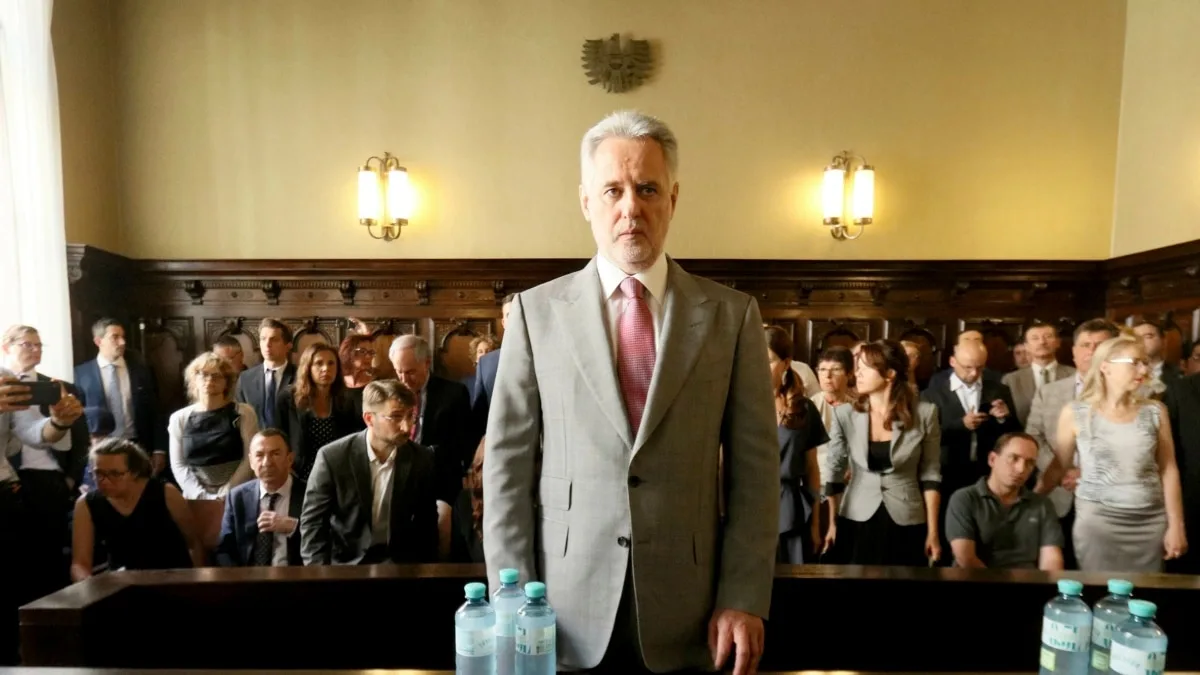
Another target of the sanctions is Ukrainian businessman Dmytro Firtash, who is accused of embezzling hundreds of millions of pounds from the Ukrainian gas industry. Firtash has been wanted by both Ukrainian and American authorities and has also been involved in laundering money through the UK real estate market. A notable example of his holdings is a building near Brompton Station in London, now left empty and frozen under the sanctions.
The third individual sanctioned is Aivars Lembergs, one of Latvia’s richest men, who has been implicated in fraud and bribery during his tenure as the mayor of Ventspils. Lembergs is alleged to have hidden the proceeds of his illicit activities through British companies.
British Foreign Secretary David Lammy has been vocal about the need to act decisively against foreign billionaires and oligarchs who launder money in the UK. “The tide is turning. The golden age of money laundering is over,” he stated, emphasizing the government’s commitment to this cause. The war in Ukraine has heightened the UK’s scrutiny of foreign assets, leading to numerous sanctions against Russian oligarchs and associates of Putin. This has resulted in the freezing of millions of pounds worth of properties and assets in London, once mockingly referred to as “Londongrad” due to its reputation as a haven for Russian oligarchs.
The impact of these sanctions extends beyond the individuals directly involved. Friends, family, and other stakeholders in their corrupt activities are also facing penalties, with a total of five additional individuals affected. The empty luxury homes and large properties in London, now frozen under these sanctions, highlight the broader issue of money laundering. These properties, often left uninhabited, contribute to rising house prices in the city, a trend that Lammy criticizes for absorbing much-needed funds that could be used for education, healthcare, and infrastructure.
While the idea of confiscating these assets to rebuild Ukraine is frequently discussed, it remains a legally complex issue. For now, these luxury buildings in London remain empty and frozen.