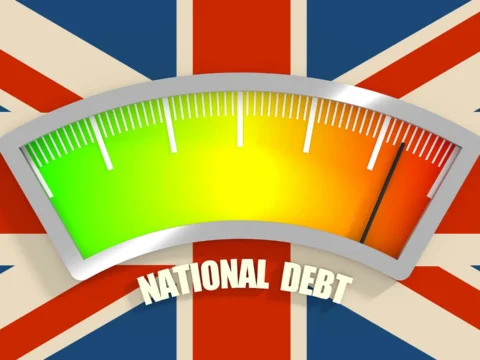
The British Finance minister, Kwasi Kwarteng, announced a “mini-budget” on September 23, as a result of which the British pound against the dollar reached a historic low, listing 1,079 euros on Monday. This will have a huge impact on the import of fruit and vegetable products into the UK, as contracts with retailers and buyers are always concluded well in advance. Freight rates, which have skyrocketed since the pandemic, are also being negotiated in dollars and will continue to rise in non-dollar markets. Interest rates are also likely to rise, while energy costs are also rising.
Nigel Jenney, CEO-Fresh Produce Consortium:
“It is a fundamental challenge for the sector, it will certainly affect the import and purchase of foreign currencies and, in addition, households and businesses may face a further increase in fuel costs, including that for jet fuel, which will lead to higher costs and make life more difficult.”
“The situation is beyond the control of the fruit and vegetable sector; everything is at the government level. Even when all this calms down, importing remains more expensive, but the question is how much.”
“It does mean exports are becoming more attractive, but the UK doesn’t export much at this time of year. The fruit and vegetables sector is resilient, but it is becoming increasingly difficult and consumers are paying attention to their spending. It’s worrying. We try to stay positive, but it’s just an extra challenge on top of everything else.”
Mark Wright, Senior Commercial Manager-Davis Worldwide:
“This will have a huge impact on businesses, not only on deals that close today, but also on deals that close for weeks, months and into next year. Retailers want quotes before the season starts and people have to speculate on what various currencies will be worth.”
Deals made months ago still have to be fulfilled at the agreed price, which means that the costs have to be absorbed and the consumer does not yet feel the full pound of this.
“We assumed the worst-case scenario, but the situation is even worse than we thought and it’s getting worse. Some companies will lose a lot of money, but if companies cannot supply products, the shelves will be empty.”
“At Davis, we don’t do business directly with retailers, so we focus on helping other companies, with their supply. We have helped suppliers to realize at least cost prices for their goods, but this is not sustainable for anyone; it is a non-profit situation. I don’t see how we can get out; I have never experienced such a bad situation. We have had to deal with Brexit, Covid, high fuel costs, transport scarcity, the war in Ukraine, port strikes and let’s not forget the current energy crisis, as a result of which third parties will soon increase their costs for everyone.”
“One major British company has already gone bankrupt this year and I think there will be even more casualties.”
Rob Cullum-Pacific Produce:
“If your competitor delivers from a non-dollar country, but you deliver from a dollar country, then you have to go up and you can’t be competitive…”
“Look at a product like mangoes: from november to april they are delivered from Brazil and Peru, which work predominantly with dollars. The freight prices are already terrible, and are calculated in dollars. The only choice these suppliers have is to raise prices, otherwise the companies will not survive. But a rise in prices could hurt consumption.”
“No one can eliminate the cost of freight, which is calculated in dollars. This will lead to a decrease in demand for luxury items and an increase in demand for basic products. Growers can survive tough years or tough markets and pull down averages, but unnecessary freight increases are hurting all markets, just as we’re trying to get out of the pandemic’s aftermath. Now that all currencies are falling against the strong dollar, but especially the euro and the British pound, this really seems to be becoming a problem.”
“In the UK, we have had the cheapest prices for fruit and vegetables for years due to retailers keeping prices low, but in the current climate that is not sustainable. The growers are trying to eliminate the risks for the European and especially the British market.”
“We have no idea how long this will take. If we knew that, we could try to mitigate the consequences, but no one knows when it will end. However, the sector is quite resilient and has experienced a lot in recent years.”