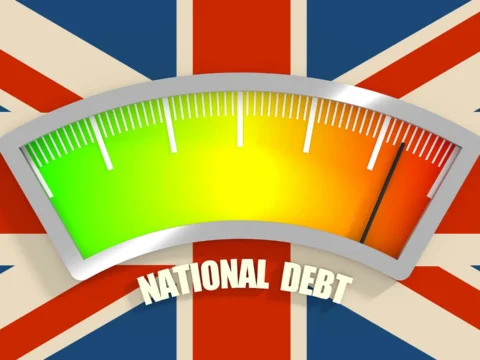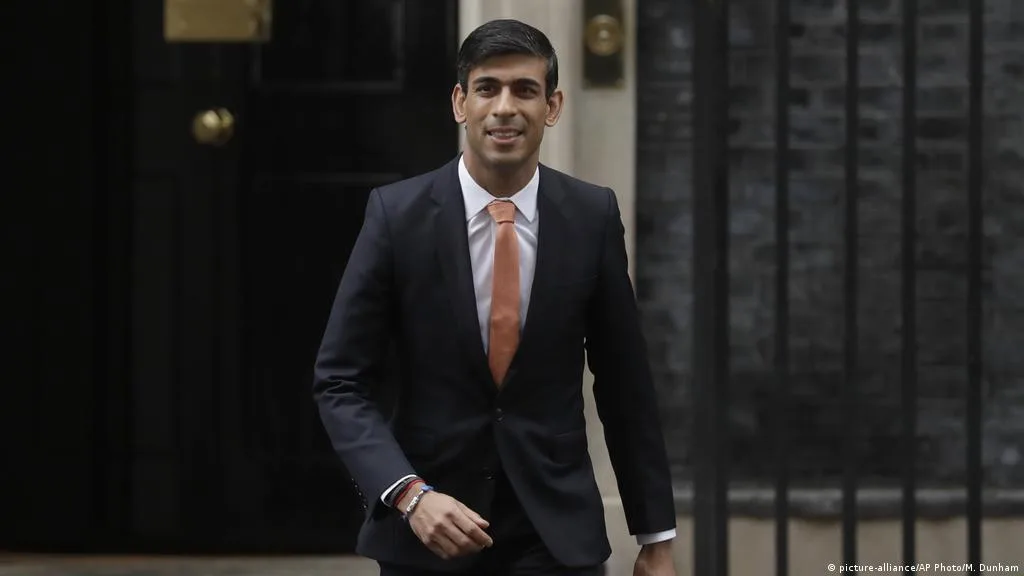
The UK has a new prime minister today. Members of the Conservative Party have voted in recent weeks for a successor to Boris Johnson. The battle is between minister Liz Truss (Foreign Affairs) and Rishi Sunak (former Finance minister). Whoever it is: the new prime minister inherits an economy that, to put it mildly, is not running well.
As with us, the British see everything around them quickly becoming more expensive. Inflation in the United Kingdom rose to 10.1 percent in July: the highest growth rate among G7 countries. It is expected that the monetary devaluation will only increase towards the end of the year.
High inflation has several causes, the primary is considered is high energy prices, LNG and oil.
Such energy products are becoming even more expensive due to the weaker British currency. The pound sterling has been falling against the US dollar for months. Many import products, such as raw materials, are billed in dollars. A weaker pound sterling then causes purchases to become more expensive. More expensive imports are then often passed on in the prices.
Brexit also plays a role. The exit from the European single market makes importing from the EU more difficult. Those extra barriers to trade are making pork (and bacon is an essential part of the traditional English breakfast), for example, more expensive.
The departure from the EU also creates problems in an already tight labour market. Figures from Statistics Netherlands show that there are around 190,000 fewer Europeans working in the UK this year than there were two years ago. This creates additional staff shortages.
These deficits can lead to higher wages. The British central bank warns of a so-called wage-price spiral, in which higher wages are passed on to prices again.
Prolonged recession on the horizon
The skyrocketing inflation has its counterpart on economic growth (or in this case contraction). The UK economy contracted by 0.1 percent in the second quarter compared to the same quarter last year.
The British central bank expects the longest recession since the economic crisis to be on the horizon. That recession – a period in which the economy is shrinking-will begin this fall and last until early 2024, the Bank of England expects.
Previous prime ministers with similar problems could still count on the central bank, but that is not in it now. The Bank of England is rapidly raising interest rates. Thus, the central bank hopes to keep further price increases within limits. This causes borrowing to become more expensive and, on the contrary, slows down the economy further.