The United Kingdom has decided against imposing retaliatory tariffs in response to the United States’ decision to levy tariffs on steel and aluminium imports from Canada, which are set to take effect on Wednesday. A British government official confirmed this stance on Tuesday, emphasizing that the two nations continue to collaborate on economic matters. The official underscored the importance of maintaining a cooperative relationship despite the tensions arising from the U.S. trade policy.
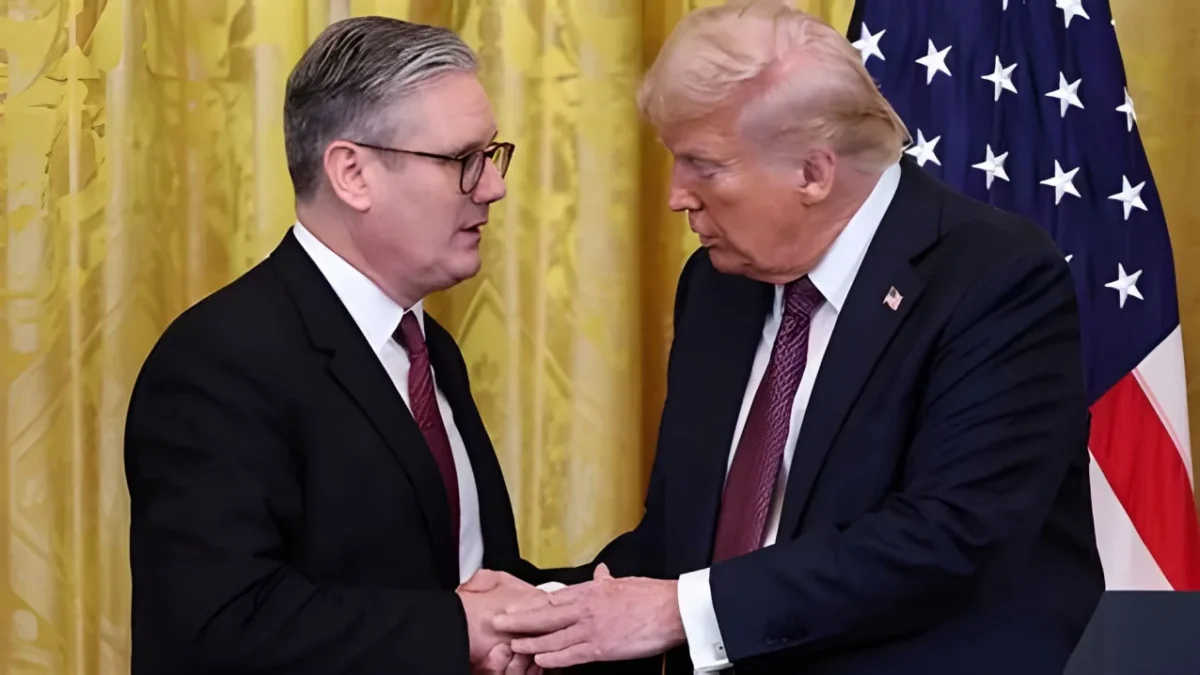
Reports indicate that British Prime Minister Keir Starmer was scheduled to hold a phone conversation with U.S. President Donald Trump on Monday. During the call, Starmer was expected to communicate the UK’s decision not to impose immediate counter-tariffs in response to the U.S. move to apply a 25 percent tariff on all steel and aluminium imports. This decision reflects the UK’s strategic approach to managing trade disputes while preserving its economic ties with the U.S.
A spokesperson from Downing Street stated that the relationship between the UK and the U.S. is rooted in principles of “fair, balanced, and mutually beneficial trade.” The spokesperson added that the British government is actively engaging with the U.S. administration to advocate for the UK’s exemption from the proposed tariffs. The UK has been working diligently to present its case, highlighting the potential negative impacts of these tariffs on both economies.
Prime Minister Starmer’s spokesperson reiterated the UK’s commitment to defending its national interests, particularly those of the British steel industry, should the need arise. However, the spokesperson emphasized that the government would approach the issue of tariffs with a measured and pragmatic stance, avoiding hasty or emotional reactions. This calm and calculated approach reflects the UK’s broader strategy of maintaining stability in its trade relations while safeguarding its domestic industries.
Government data reveals that the U.S. is a significant market for British steel and aluminium exports, accounting for 5 percent of steel exports and 6 percent of aluminium exports from the UK. The imposition of U.S. tariffs could therefore have a notable impact on these sectors, prompting concerns among industry stakeholders. Despite this, the UK has chosen to prioritize dialogue and negotiation over immediate retaliation, signalling its preference for diplomatic solutions to trade disputes.
The U.S. decision to increase tariffs on Canadian steel and aluminium from 25 percent to 50 percent was reportedly motivated by Ontario’s move to raise electricity prices for U.S. customers by 25 percent. President Trump framed the tariff hike as a response to what he described as unfair trade practices. This escalation has further complicated trade dynamics in the region, with the UK seeking to navigate the situation carefully to avoid exacerbating tensions.
The UK’s decision to refrain from imposing retaliatory tariffs underscores its commitment to maintaining a constructive relationship with the U.S., even in the face of challenging trade policies. By opting for negotiation and dialogue over confrontation, the British government aims to protect its economic interests while fostering a cooperative approach to resolving trade disputes. This strategy reflects a broader understanding of the interconnected nature of global trade and the importance of preserving long-term partnerships.