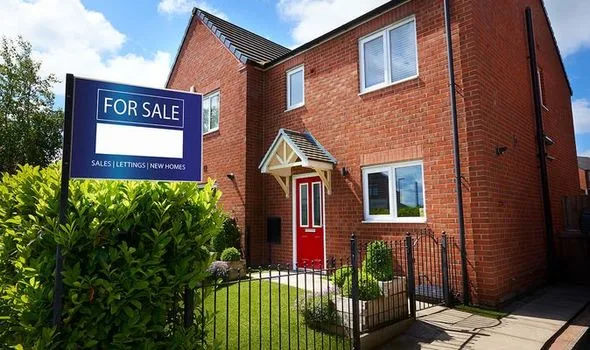
The UK property market recorded its most significant July price decline in more than twenty years, with new seller asking prices falling by 1.2% (£4,531) month-on-month to an average of £373,709. This marks the steepest drop for this time of year since Rightmove began tracking data in 2001, underscoring mounting pressure on sellers to adopt aggressive pricing strategies amid a decade-high supply of available homes. Annual price growth has nearly flatlined at just 0.1%, reflecting a broader cooling trend in the housing market.
The surge in property listings has forced sellers to slash prices to attract buyers, despite sales agreed remaining 5% higher than in 2024. Rightmove has revised its full-year price growth forecast down from 4% to 2%, citing heightened competition among sellers as a key constraint on price appreciation. Transaction volumes are projected to reach 1.15 million in 2025, though affordability remains a critical hurdle for many buyers.
Regional Divergence: London Leads Declines, North East Bucks Trend
Inner London experienced the sharpest monthly decline at 2.1%, driven by weak demand and oversupply in one of the UK’s most expensive markets. In contrast, the North East of England saw a 1.2% price increase, highlighting growing buyer interest in more affordable regions. Nationwide’s seasonally adjusted house price index further confirmed the downturn, with a 0.8% monthly drop in June — the largest since November 2022.
While falling mortgage rates have eased some affordability pressures, the market remains fragile. The average two-year fixed mortgage rate has declined to 4.53% from 5.34% a year ago, saving borrowers approximately £150 per month on a typical loan. However, wage growth has slowed to 5.0% year-on-year as of May 2025, with private sector pay rises decelerating to 3.7%, further dampening purchasing power. The Bank of England is widely expected to cut interest rates in August, which could provide additional stimulus, though inflation remains stubbornly above the 2% target at 3.6%.
The housing market’s struggles mirror broader economic weakness, with GDP contracting by 0.1% in May following a 0.3% decline in April. Unemployment has risen to 4.7%, the highest since June 2021, while vacancies have fallen for 36 consecutive months, signalling a deteriorating labour market. Analysts suggest these factors, coupled with higher business costs and regulatory burdens, may prolong the market’s sluggish recovery.
Despite the downturn, some experts anticipate a gradual rebound, citing improving affordability and potential further rate cuts. However, the market’s sensitivity to mortgage costs and tax changes — such as April’s stamp duty adjustments — means any recovery is likely to be uneven. For now, realistic pricing remains critical for sellers navigating a buyer’s market, with competitive listings driving the bulk of transaction activity.