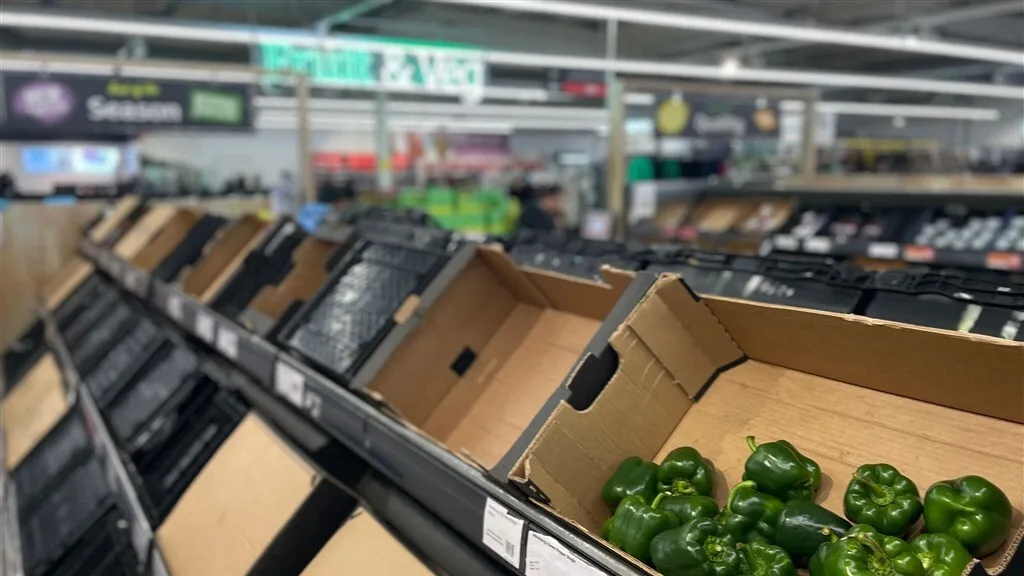
Retailers may face increased shortages of fruits and vegetables due to soaring temperatures in southern Spain and a delayed start to the UK growing season caused by cold and overcast weather, according to recent warnings.
Parts of Andalucía are expected to reach a new April temperature record of 39 degrees Celsius, with a long-lasting drought further impacting vegetable production in Spain. The country has been in a drought since January of last year, and this April is expected to be the hottest and driest on record.
Meanwhile, British growers are also struggling with weather challenges, resulting in lower yields of British-grown produce, specialityfoodmagazine.com informs. Shortages of cucumbers, tomatoes, and peppers in March led to increased demand and footfall at farm shops and markets.
As further shortages are anticipated, farm shops are expected to see a similar increase in demand. Emma Mosey, owner of Yolk Farm and chair of the Farm Retail Association, noted that previous shortages have driven shoppers to seek out fresh, locally-sourced produce at farm shops and farmers’ markets.
According to recent statements, farm retailers are well-positioned to maintain fully-stocked shelves due to their ability to grow their own produce and their willingness to pay higher prices for better quality produce from overseas. Shorter supply chains are generally more resilient, as they allow for greater flexibility in pricing and sourcing. To communicate this to shoppers, it is recommended that farm retailers share the stories of their produce on social media.
However, Gareth Morgan, head of farming policy at the Soil Association, warns that small and medium-sized enterprises (SMEs) may struggle to fill the gaps left by supermarkets, and better support from the government is needed to promote domestic production and consumption of fruit and vegetables. While importing produce offers consumers a wide variety of choices, it is not a reliable solution, as the UK currently imports 85% of its fruit and 55% of its vegetables, leaving the food supply vulnerable to global events and increasing costs.