Andy Burnham’s administration has unveiled what it calls “the biggest shift of power out of Whitehall and Westminster” in modern British history, but scratch the surface and this grand devolutionary gesture begins to look more like a fiscal sleight of hand. The promise is intoxicating: keep taxes where they are raised, liberate regional mayors from the stranglehold of central diktats, and finally give the forgotten towns of England a fighting chance. Yet beneath the rhetoric lies a blueprint riddled with contradictions, unaddressed risks, and a cynical reining-in of the very autonomy it professes to champion.
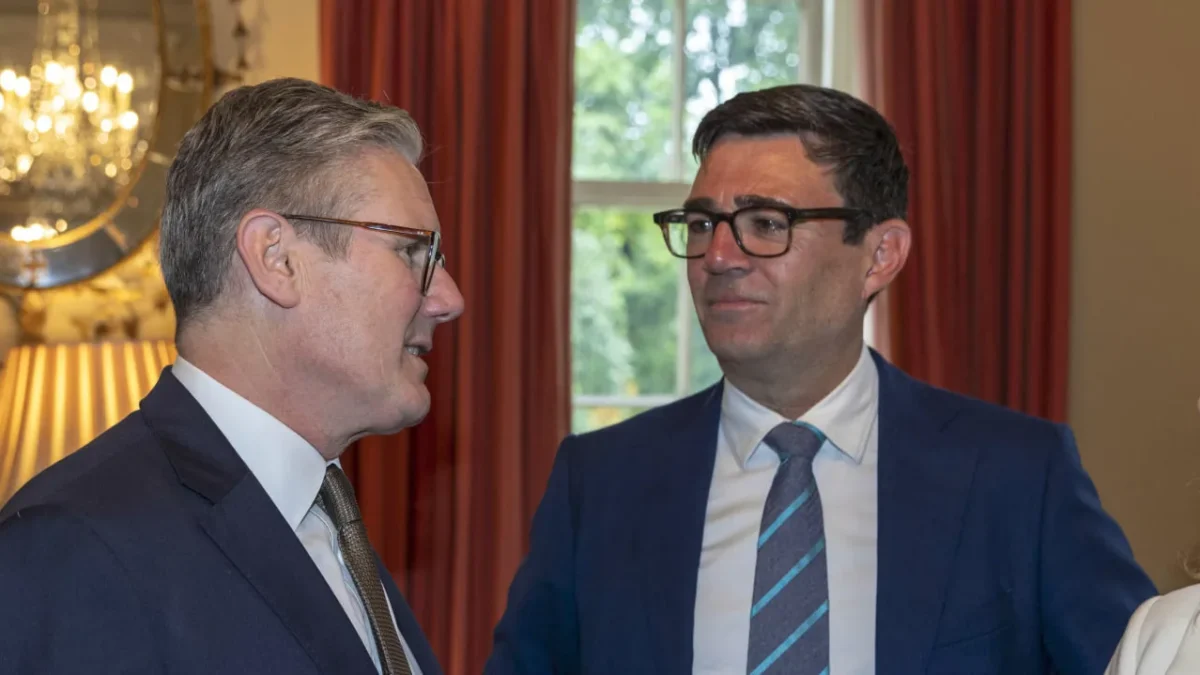
The prime minister, who styled himself the “King of the North” during his Manchester tenure, has framed this as a deeply personal mission. He speaks of knowing what it is to be ignored by Westminster, vowing not to repeat the same mistake. However, this moral authority masks a fundamental weakness in the plan. During a recent address in Sheffield, Burnham was forced to shoot down suggestions from Tory and Reform mayors, such as Ben Houchen of Tees Valley, who viewed this as an opportunity to offer direct tax rebates to residents. The Prime Minister dismissed this outright, insisting the initiative is a “growth and investment agenda, not a cuts agenda”. In doing so, he exposes the critical flaw: this is not fiscal autonomy but state-sanctioned spending devolution. The First Secretary of State, Louise Haigh, confirmed the grim reality, stating it is “not possible at the moment” for mayors to establish such schemes because the system does not currently allow it, nor can they set tax rates locally or regionally. This is power with a choke chain attached. Regional leaders will receive a share of the income tax and business rates, but they will remain beholden to Westminster’s parameters, with the Treasury still pulling the strings on how those funds can be utilised.
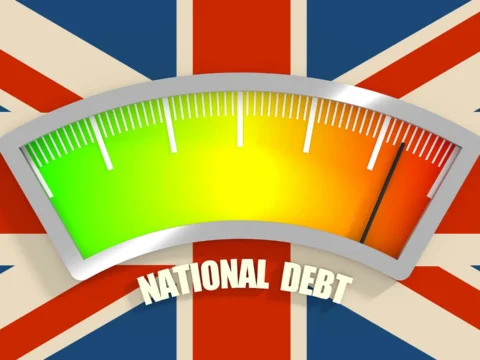
The government’s proposals rely on the assertion that the existing system of central grants is overly restrictive. The plan is to replace these with retained tax revenues, ostensibly giving local leaders more “manoeuvrability”. Yet this narrative conveniently glosses over the grim fiscal arithmetic currently bedevilling the UK. The Office for Budget Responsibility recently reported that public debt has surged to 95 per cent of GDP, leaving the government with an acute exposure to market shocks. In this climate, the promise of fiscal redistribution appears more like a shifting of burdens than a genuine empowerment.
Moreover, the hard evidence on the efficacy of devolution in England is profoundly discouraging. A rigorous academic study analysing the first wave of mayoral combined authorities created under the 2016 Cities and Local Government Devolution Act paints a damning picture. The findings indicate that these devolved areas “did not experience faster than expected growth” compared to their non-devolved counterparts. Even more alarmingly, within these regions, the effect of devolution was “more favourable for already wealthy districts than for poorer ones”. In essence, the policy risks entrenching the very inequalities Burnham claims to be dismantling. It is a catalyst not for the levelling up of the deprived, but for the aggrandisement of the privileged.
Burnham’s entire political identity is tethered to the successes of Greater Manchester, a model often dubbed “Manchesterism”. He points to the Bee Network, the local control of buses, as proof of concept. However, to extrapolate the success of a thriving metropolitan powerhouse to the entirety of England, including its post-industrial wastelands, is an act of profound political naivety, if not cynical self-promotion.
Academic critics have warned that a model shaped by Manchester’s strong institutional framework and Burnham’s personal drive is difficult, if not impossible, to replicate in places like Norfolk or Cornwall. As one political commentator rightly observed, while Burnham is praised for accurately diagnosing Britain’s ills, there is immense scepticism about how he can realise this vision while staying true to his “soft left” political stance and the practical realities of running a national government. The Financial Times has already dismissed his plans as a “panacea” that is likely to “underwhelm”. There is a distinct arrogance in believing that a process that worked in a city-region with the best universities and infrastructure can be translated into a template for struggling towns like Oldham or Burnley, which face a decades-long battle with deindustrialisation.
The academic literature also highlights a structural Catch-22 in the UK’s governance architecture. The centralisation of fiscal power means that even as functions are devolved, financial dependency on Westminster remains. The government intends to implement an equalisation system to support areas where less tax is collected. While this may be necessary, it inevitably retains the Treasury’s leverage. The asymmetry is staggering. While Scotland and Wales have genuine devolved legislatures, England remains the constitutional poor relation, with its regional mayors operating in a framework still designed by and for the centre.
Furthermore, the Conservative opposition has rightly pointed out that this is little more than an “overly vague” vision. The crucial details – the percentages of tax to be retained, the specific functions to be devolved, and the mechanism for handling the transition – are all being kicked into the long grass until the autumn Budget.
Andy Burnham is selling a revolution, but the consumer should beware of the small print. This plan is not a radical transfer of power; it is a carefully curated redistribution of spending authority. It offers mayors the chance to invest tax revenues, but only in the way the government in London deems appropriate. It borrows the language of localism while hoarding the instruments of genuine fiscal change. The historical evidence suggests devolution in England exacerbates regional disparities, and the current political climate suggests the funds to make it work simply do not exist. Burnham may have promised a new dawn for the forgotten places, but this looks distinctly like another morning in the long shadow of Westminster.