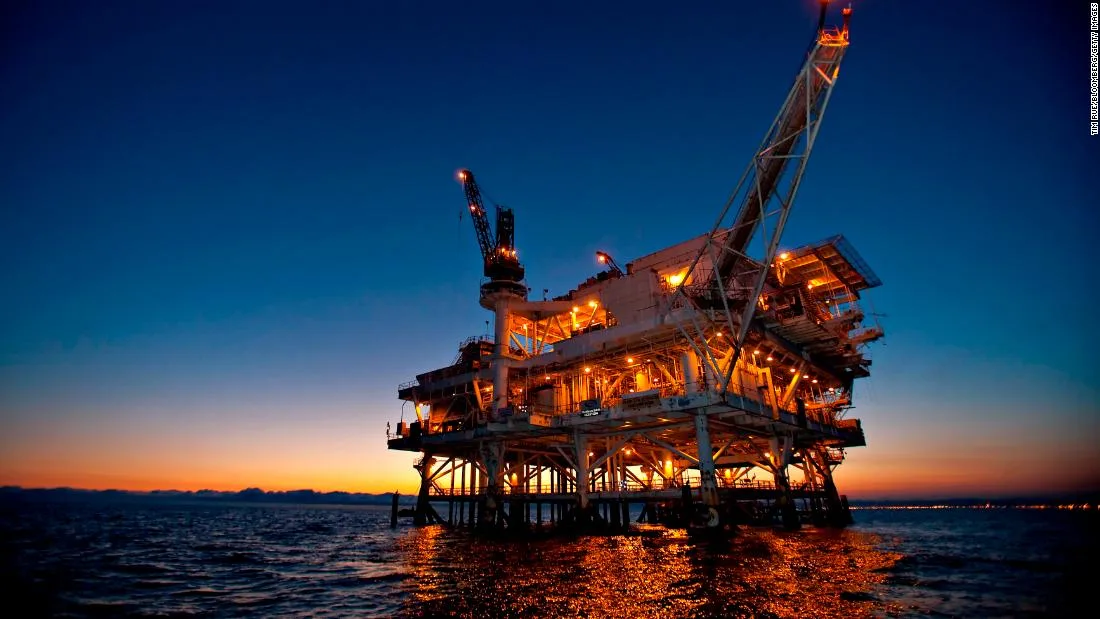
The United Kingdom is going to grant more than a hundred new licenses for the extraction of oil and gas in the North Sea. This plan is part of the efforts by the British government to enhance its energy independence.
By issuing these licenses, the UK aims to tap into its offshore energy resources, which could potentially boost domestic energy production and reduce reliance on imports. The decision comes as the UK seeks to secure its energy supplies and bolster its energy security in an ever-changing global landscape.
With these additional licenses, oil and gas companies will have the opportunity to explore and exploit new reserves in the North Sea region. This move is expected to attract investment, create job opportunities in the energy sector, and potentially contribute to economic growth.
However, it’s important to note that this expansion of oil and gas exploration in the North Sea also raises concerns regarding environmental impact and climate change. As such, the British government is likely to face scrutiny and pressure from environmental groups and concerned citizens who advocate for a transition to cleaner and more sustainable energy sources.
In parallel to this initiative, the UK government is expected to continue promoting renewable energy projects and sustainable practices to balance the energy mix and reduce greenhouse gas emissions. The challenge lies in finding a delicate balance between meeting energy demands, economic growth, and environmental preservation.
As the UK moves forward with its plans for energy independence, careful consideration of both short-term gains and long-term sustainability will be crucial to ensure a prosperous and environmentally conscious future.
“It is now more crucial than ever that we strengthen our energy security and capitalize on that independence to deliver more affordable, clean energy to British homes and businesses,” stated British Prime Minister Rishi Sunak during his visit to a significant energy infrastructure site in Aberdeenshire, Scotland on Monday.
In the vicinity of the ports of Hull, Grimsby, and Immingham, as well as in the Northeast of Scotland and the English Humber region, two new carbon capture and storage facilities are being established. The UK regulator for the oil and gas industry anticipates that the first new licenses will be granted in the autumn.
The establishment of these carbon capture and storage facilities marks a significant step towards reducing greenhouse gas emissions and combatting climate change. Carbon capture and storage technology enables the capture of CO2 emissions from industrial processes and their safe storage underground, preventing them from entering the atmosphere and contributing to global warming. This approach aligns with the UK’s commitment to transitioning towards a cleaner and more sustainable energy future.
Moreover, by focusing on bolstering energy security through increased domestic production, the UK aims to reduce its reliance on foreign energy sources, thereby enhancing its ability to manage potential supply disruptions and geopolitical risks.
The government’s efforts to expand energy infrastructure and promote cleaner energy solutions are expected to play a pivotal role in shaping the nation’s energy landscape for years to come. However, as with any major energy project, there will likely be ongoing discussions and debates surrounding environmental impacts, community engagement, and the overall transition towards renewable energy sources.
As the UK proceeds with these energy initiatives, a comprehensive approach that considers both economic benefits and environmental stewardship will be essential to ensure a sustainable and prosperous future for the nation.