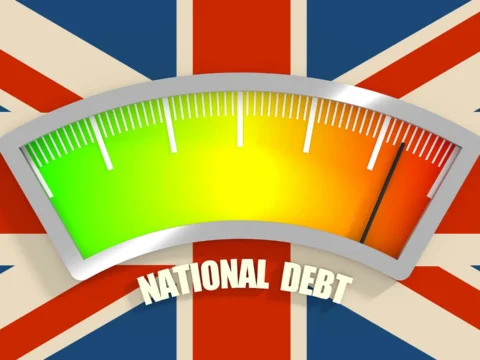
The Labour Party’s recent victory under Keir Starmer marks a significant shift in the UK’s economic landscape. Starmer’s administration is committed to revitalizing the economy by introducing sweeping reforms, encapsulated in the promise to “take the brakes off Britain.” These reforms aim to stimulate economic growth and tackle long-standing issues such as stagnant productivity and underinvestment, which have been compounded by the aftermath of Brexit and global economic uncertainty.
The new government faces substantial challenges, including low productivity and chronic underinvestment, which have hindered the UK’s economic progress. To overcome these structural weaknesses, a multifaceted approach is essential. This includes revising planning regulations to facilitate development and enhancing labor market participation, particularly in sectors hit hard by post-pandemic workforce reductions.
For investors, the UK’s economic landscape in 2024 presents a mix of opportunities and risks. Positive indicators such as robust GDP growth and resilient retail sales in certain sectors like department stores and sports equipment suggest potential investment opportunities in consumer-centric areas. Companies that can adapt to evolving consumer behaviours, especially in a recovering economy, are well-positioned for growth.
However, it is crucial to note that discretionary spending is declining globally, including in the UK, as evidenced by the recent drop in sales of clothing and luxury goods. Sectors focused on essential consumer goods may perform better in this environment.
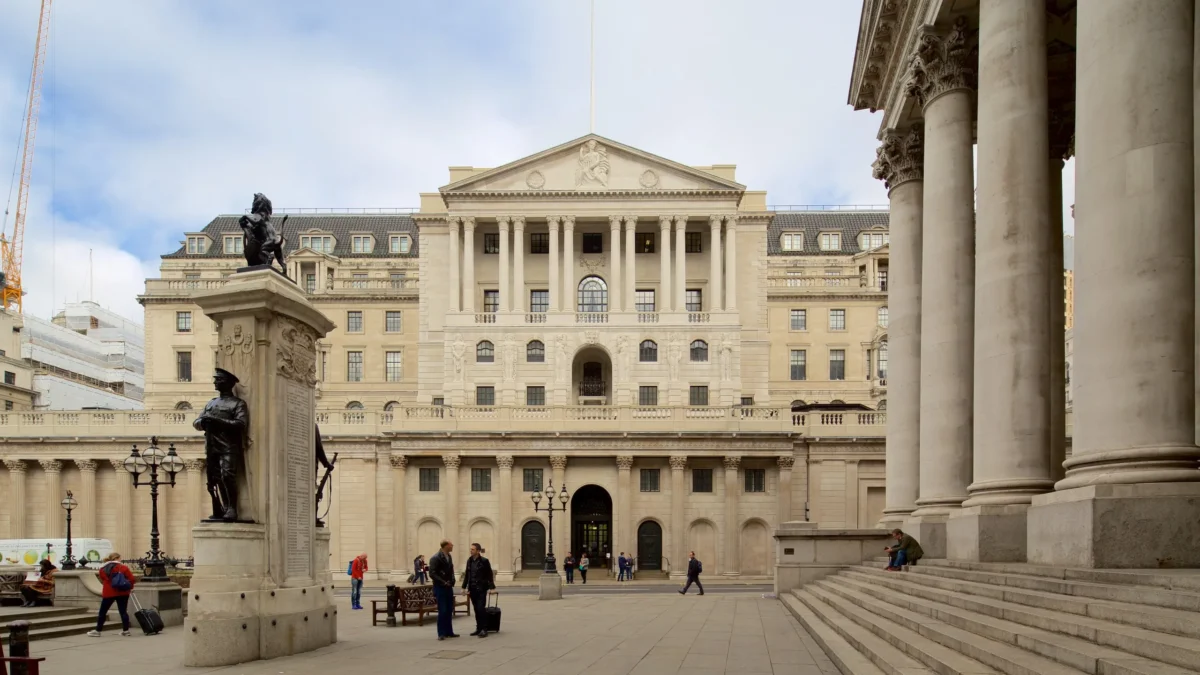
The Bank of England’s cautious stance on interest rate cuts could support sectors sensitive to borrowing costs, such as the housing market and financial sector. Yet, the slow pace of these rate cuts advises investors to remain patient and await more definitive positive data before making significant moves.
The new government’s reforms, particularly in construction and infrastructure, hold promise but will take time to yield noticeable effects. Despite growing optimism, investors should exercise caution and wait for further positive signals before making substantial investments.
While the UK economy shows encouraging signs of recovery in 2024, underlying challenges highlighted by the Bank of England and the uneven retail sector recovery indicate that it is not yet time to be complacent. The new political regime could significantly impact the economic trajectory, but for now, both British citizens and investors have reason to be optimistic about the potential for positive change.