The United Kingdom has introduced its first updated Pesticides National Action Plan in more than a decade, imposing binding targets to reduce the environmental risks posed by agricultural pesticides by at least 10% by 2030, using 2018 levels as the baseline. This move demonstrates that pesticide reduction strategies are not exclusive to the European Union, despite Britain’s departure from the bloc. The decision aligns broadly with EU environmental objectives, though it falls short of the more ambitious 50% chemical pesticide reduction outlined in the EU’s Farm to Fork Strategy.
Agricultural stakeholders have raised concerns over whether the plan provides sufficient access to effective crop protection methods, warning that food security could be compromised if alternatives prove inadequate. Meanwhile, environmental groups have welcomed the policy shift but criticised its narrow scope, noting that pesticide use in urban areas, including public parks, remains unregulated. The absence of restrictions in non-agricultural settings undermines broader ecological protections, particularly for pollinators already under threat from intensive farming practices.
The UK government will employ the Pesticide Load Index to measure progress, a comprehensive metric that evaluates twenty distinct factors, including human toxicity, environmental persistence, and ecotoxicity. This system goes beyond simple volume-based assessments, reflecting a more nuanced approach to risk management. The strategy also emphasises Integrated Pest Management techniques, such as companion planting and biological controls, though sceptics argue that without substantial investment in research and farmer training, adoption may remain limited.
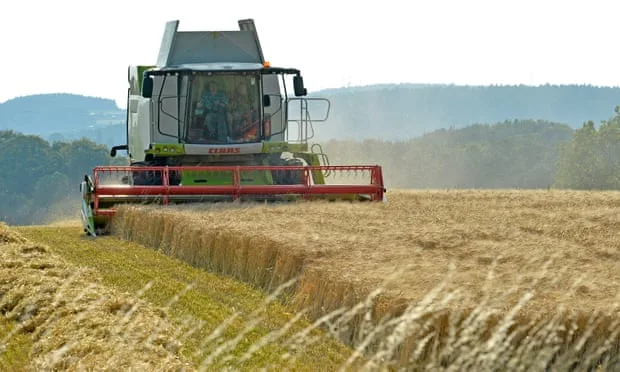
Historical data reveals that fungicides and herbicides dominate British pesticide use, with chlorothalonil, tebuconazole, and glyphosate among the most frequently applied active substances. Wheat cultivation accounts for the highest pesticide consumption, typically requiring three fungicide applications, three herbicide treatments, two growth regulator sprays, and one insecticide dose per growing season. The continued reliance on these chemicals underscores the challenges of transitioning to low-input systems while maintaining yields.
The UK’s decision follows its earlier ban on neonicotinoids—clothianidin, imidacloprid, and thiamethoxam—due to their proven harm to bee populations. However, the delayed implementation of this new action plan, originally expected in 2018, has drawn criticism for sluggish regulatory progress. As debates intensify over balancing agricultural productivity with ecological safeguards, the effectiveness of the UK’s approach will depend on enforcement mechanisms and whether proposed alternatives can deliver comparable results without compromising output.