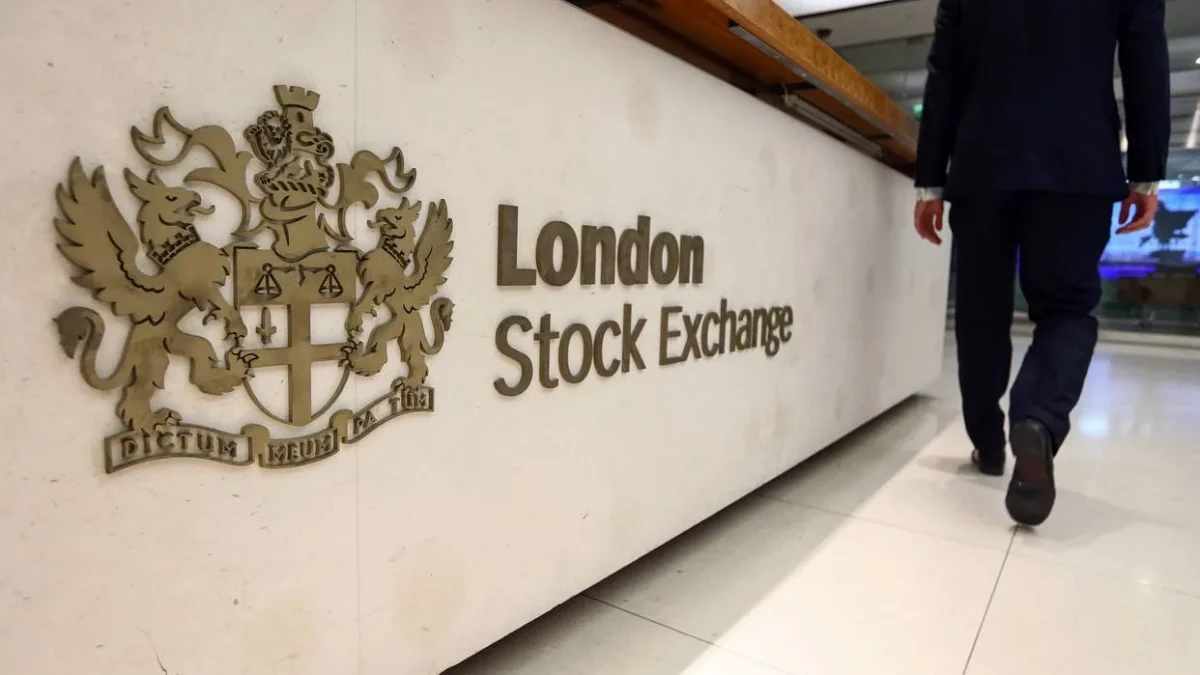
The UK stock market is facing a critical juncture, and Chancellor Rachel Reeves is under pressure to take decisive action to prevent a catastrophic decline. The latest reports indicate that Britain’s largest companies are recovering from the crisis, but the London Stock Exchange is experiencing its largest exodus since the financial crisis of the late 2000s.
Historically, the British stock exchange was a global powerhouse, ranking as the third largest in the world in terms of transactions, just behind the United States and Hong Kong, according to Dealogic. However, since 2014, the UK has plummeted to a humiliating 20th position, conducting fewer transactions than countries like Oman, Australia, Germany, Turkey, Malaysia, and Poland. This decline is further exacerbated by the fact that the UK is barely ahead of Indonesia and Greece in terms of transaction volume, a situation that is deeply embarrassing for the nation.
The exodus of companies from the London Stock Exchange to more dynamic markets, particularly the New York Stock Exchange, is a significant concern. Companies listed on the US stock exchange raised over $40 billion last year, equivalent to £31.5 billion, while UK float companies managed to raise a modest £790 million, a 9% decrease from the previous year. This stark contrast highlights the lack of access to sufficient capital in the UK, resulting in dramatically lower valuations for companies listed there.
The trend of existing FTSE companies withdrawing from the London Stock Exchange continues. Recently, the Ashtead Group, a major equipment rental company, shifted its listing from London to New York, following in the footsteps of other notable companies such as CRH, TUI, Smurfit Kappa, Ferguson, and Flutter Entertainment. Even British chip manufacturer ARM Holdings is now listed on the New York Stock Exchange, and there is pressure on mining giant Rio Tinto and British American Tobacco to consider similar moves. The most alarming prospect is the potential listing of oil and gas giant Shell on Wall Street instead of the FTSE 100, a company valued at £152 billion.
Foreign investors are taking advantage of the cheap valuations in the UK to acquire well-known names such as Britvic, Hargreaves Lansdown, Morrisons, Royal Mail, and Virgin Money. Investors are increasingly disregarding the weaker UK market, further exacerbating its decline.
The attractiveness of the US market, particularly under the presidency of Donald Trump, who has committed to reducing corporate taxes and bureaucracy, has driven Wall Street to record levels. In contrast, the UK’s economic policies, including the Labour Party’s plan to raise £25 billion in taxes and Angela Rayner’s Workers’ Rights Act, which threatens an additional £5 billion in bureaucracy to satisfy unions, are seen as less favourable to business.
To address this crisis, the London Stock Exchange has initiated “dynamic reforms” aimed at revitalizing the market. The Labour Party is also proposing the creation of “retirement co-investments” that could unlock billions to invest in British businesses. However, the urgency of the situation cannot be overstated, and it is imperative for the Labour Party, under Chancellor Rachel Reeves, to implement effective solutions to stem the tide of companies leaving the London Stock Exchange and to attract new listings.