Britain’s inflation problem has just got its second wind, and the numbers out this morning make for grim reading. The Consumer Prices Index jumped to 3.3% in March, up from 3% the month before, smack in line with what economists had braced themselves for but still a nasty jolt to a system that was supposed to be healing. That is the first hard evidence of how the Middle East conflict is feeding directly through to household budgets in the UK, and it is not a pretty picture.
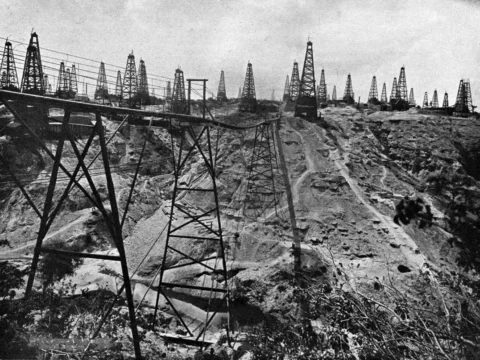
Let’s call it what it is: a fuel-driven shock. Petrol and diesel prices shot up by 8.7% in a single month, the sort of climb that hasn’t been seen since June 2022 when the world was last grappling with an energy crisis. The Office for National Statistics put it bluntly, saying the rise was largely down to increased fuel costs, with airfares and food prices also adding to the pain. If you have filled up a car lately, you will have felt this one personally. Diesel was flirting with two quid a litre in some places by the end of March, a figure that concentrates the mind wonderfully when you are just trying to get to work. The trigger, of course, has been the conflict involving the US, Israel and Iran, which has sent crude oil markets into a spin and exposed just how vulnerable the UK remains as a net importer of energy.
Worse still, this is not just a forecourt problem. The inflationary fire is spreading. Services inflation, which the Bank of England watches like a hawk because it tends to reflect domestically generated and sticky price pressures, edged up to 4.5% from 4.3%. That is the sort of underlying heat that keeps monetary policymakers up at night. It suggests that businesses are not just passing on higher energy bills but are finding pricing power elsewhere in the economy. Meanwhile, producer price data released alongside the consumer figures shows input costs for manufacturers rose by a staggering 5.4% in the year to March, a brutal leap from a revised 0.7% in February. Factory gate prices are up 2.6%, meaning the stuff leaving British warehouses is getting more expensive by the day.
There is one sliver of relief, but do not get too excited about it. Core inflation, which strips out volatile items like energy and food, actually ticked down slightly to 3.1% from 3.2%. That was a bit better than the markets had feared, but it is cold comfort when the headline rate is accelerating and the geopolitical temperature is still rising. It is a bit like being told your house is on fire but that the fire extinguisher is technically still full.
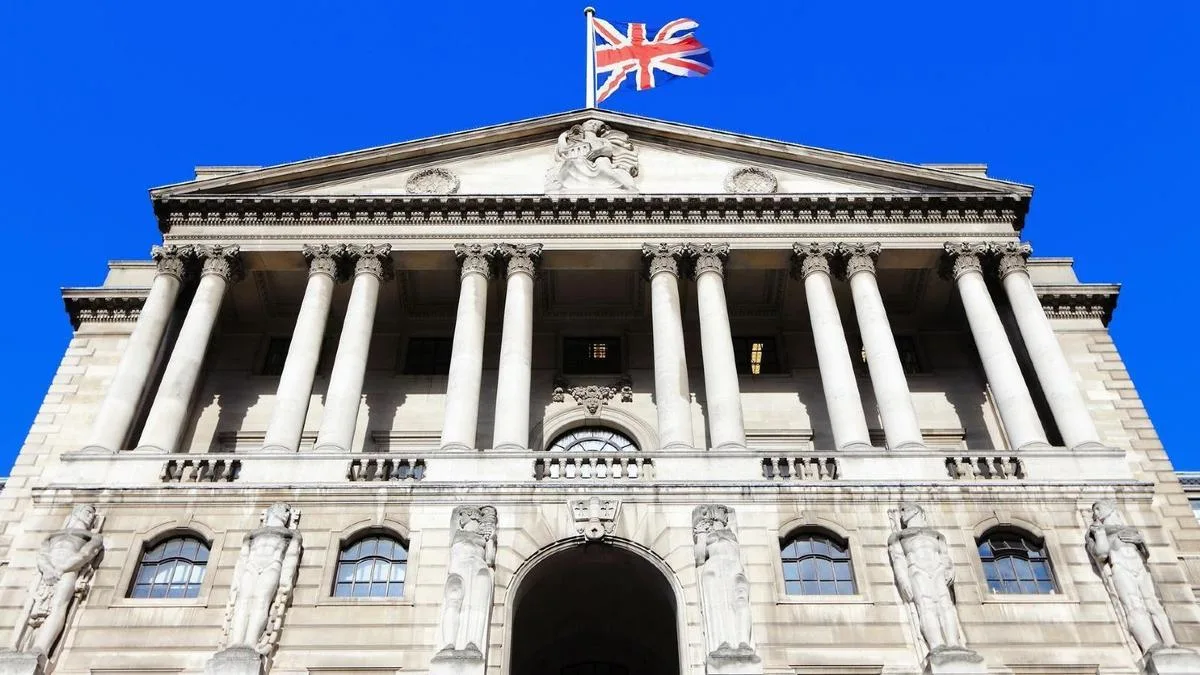
The real battle here is not just with the current numbers but with what they mean for the Bank of England. Before the conflict escalated at the end of February, Threadneedle Street was confidently predicting that inflation would glide back to the 2% target by April. That forecast is now dust. The Bank has been forced to rip up its models and start again, with governor Andrew Bailey having to explicitly push back against market chatter that had started pricing in a series of emergency rate hikes. His message was clear: don’t get ahead of yourselves. And the latest Reuters poll of 62 economists suggests that while the inflation outlook has darkened significantly, the majority still expect the Monetary Policy Committee to hold its nerve and keep rates on hold at 3.75% for the rest of the year. UBS is singing from a similar hymn sheet, predicting an extended pause before perhaps two cuts very late in 2026 or early 2027, while Goldman Sachs had earlier forecast a different trajectory entirely based on a cooling jobs market.
But don’t mistake that consensus for confidence. There is a brutal dilemma sitting right at the heart of the Old Lady of Threadneedle Street. If the Bank raises rates to crush this imported inflation, it risks tipping an already stagnant economy into full-blown recession. If it holds steady or cuts, it risks letting inflation become entrenched. The IMF piled on the pressure recently when it slashed the UK’s growth forecast for 2026 to a paltry 0.8%, the steepest downgrade of any G7 economy, and warned that inflation could peak near 4% in the coming months. The Fund pointedly noted that the UK’s reliance on gas for heating and its high levels of government debt leave Rachel Reeves very little room to manoeuvre on fiscal policy. She cannot exactly splash the cash to help households when the borrowing costs are already this punishing.
So, what happens next? The smart money is on a “wait and see” approach from the Bank when it meets on 30 April. The hawks on the committee, like Huw Pill, have suggested that the Bank might need to entertain the possibility that more restrictiveness is required, but doves like Alan Taylor have said there is a “high bar to hiking”. With the ceasefire between the US and Iran looking fragile at best and peace talks on hold, the risk of a second wave of energy price spikes is real. Suren Thiru from ICAEW summed up the brutal arithmetic facing Britain right now: the extended ceasefire might prevent an immediate catastrophe, but it will not stop a painful period of accelerating inflation, with energy and food costs potentially pushing the headline rate above 4% by the autumn, even as the economy slows. That is the stagflation script, and it is the one thing the Bank of England fears more than anything else. For now, they are likely to sit on their hands, pray the oil price cools, and hope that the weakness in the labour market – which is starting to show up in rising redundancy rates – does the heavy lifting for them by killing off wage demands before they really take hold.