Jaguar, the iconic car brand, is embarking on a bold and unprecedented strategy that has left many of its loyal customers and enthusiasts in a state of anticipation and concern. In the UK, and soon in other European markets, Jaguar will cease selling new cars for an entire year, a move that is part of its transition to become an exclusive all-electric brand starting from 2025.
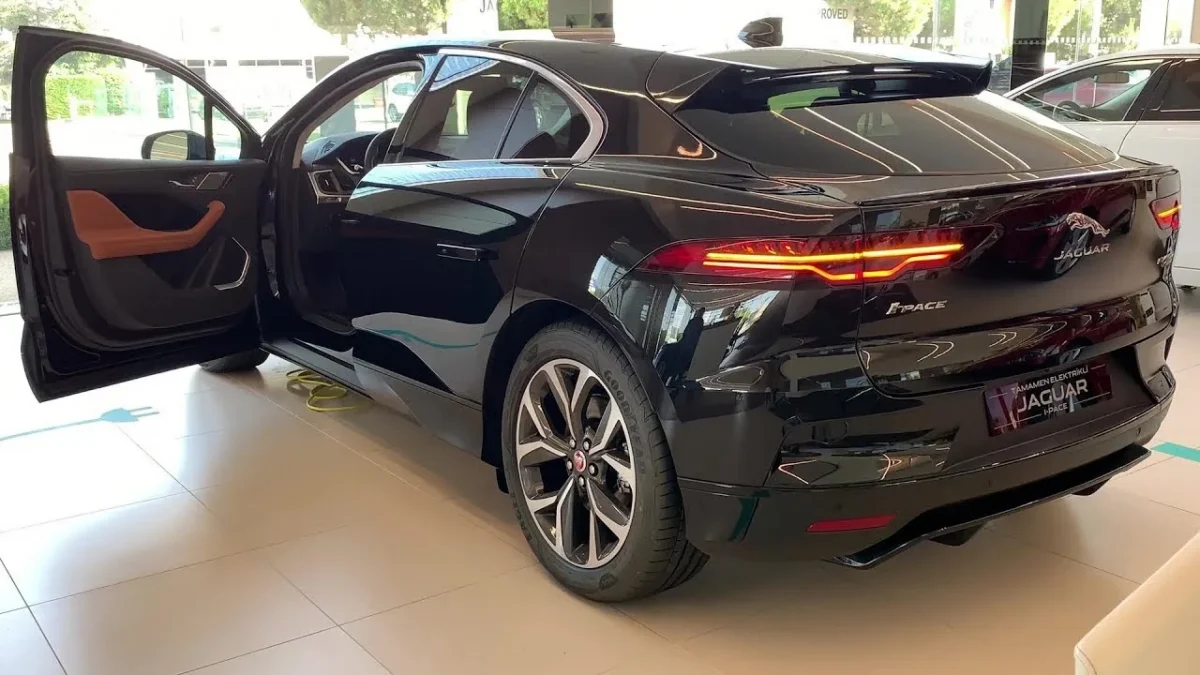
Currently, the only Jaguar model still available for order in the UK and the Netherlands is the F-Pace SUV. However, this too will come to an end as the F-Pace’s production is slated to stop early in 2025. This marks the final phase of Jaguar’s phased discontinuation of its current models, which includes the XE, XF, F-Type, E-Pace, and the electric I-Pace, all of which were deemed to be close to zero-profitability products by Jaguar Land Rover’s CEO, Adrian Mardell.
According to Rawdon Glover, Jaguar’s managing director, the brand needs a “reset period” to prepare for its new electric lineup. Starting from November 2024, Jaguar will not be selling any new cars, a hiatus that will last until the launch of its new electric models in 2026. During this time, Jaguar’s dealerships will focus on used car sales and aftersales services to keep the business running.
The upcoming relaunch of Jaguar is set to be significant, with the unveiling of new models expected in the next few months. The brand is committed to electrification, with plans to introduce a 600 hp electric GT that will compete directly with the Porsche Taycan, an electric SUV to rival the Bentley Bentayga, and a large luxury sedan. These new models are designed to position Jaguar as a more exclusive and premium brand, targeting a wealthier demographic where electric vehicles are particularly appealing.
Jaguar’s decision to go all-electric is a response to its struggles in recent years, particularly in competing with the likes of Audi, BMW, and Mercedes. The brand has acknowledged that its current models have not been profitable, prompting a radical change in strategy. While this move may seem drastic, it aligns with Jaguar’s goal to differentiate itself in a market where many premium brands are rethinking their electric vehicle strategies.
In the broader context, Jaguar Land Rover (JLR) is heavily reliant on just three models – the Range Rover, Range Rover Sport, and Land Rover Defender – which account for more than half of the group’s sales. This dependence underscores the need for Jaguar to revamp its lineup and strategy to remain competitive in the evolving automotive landscape.
As Jaguar prepares to unveil its new electric concept car this December, the brand is setting the stage for a dramatic redesign of its future models. The concept car, described as a sleek, four-door GT with a radical new design language, will be a precursor to the production models that will follow in 2026. This new design approach aims to challenge the conventions of current electric vehicles, which are often criticized for their homogenous look.
Jaguar’s year-long hiatus from new car sales is a strategic move to transition the brand into an exclusive all-electric luxury marque. While this period may be challenging for both the brand and its customers, it sets the stage for Jaguar’s rebirth as a premium electric vehicle manufacturer, ready to compete in a market where exclusivity and luxury are increasingly valued.