Norway is already the largest exporter of natural gas to the EU today, and aims to remain a court supplier with resources from the deep sea even in a fossil-poor world.
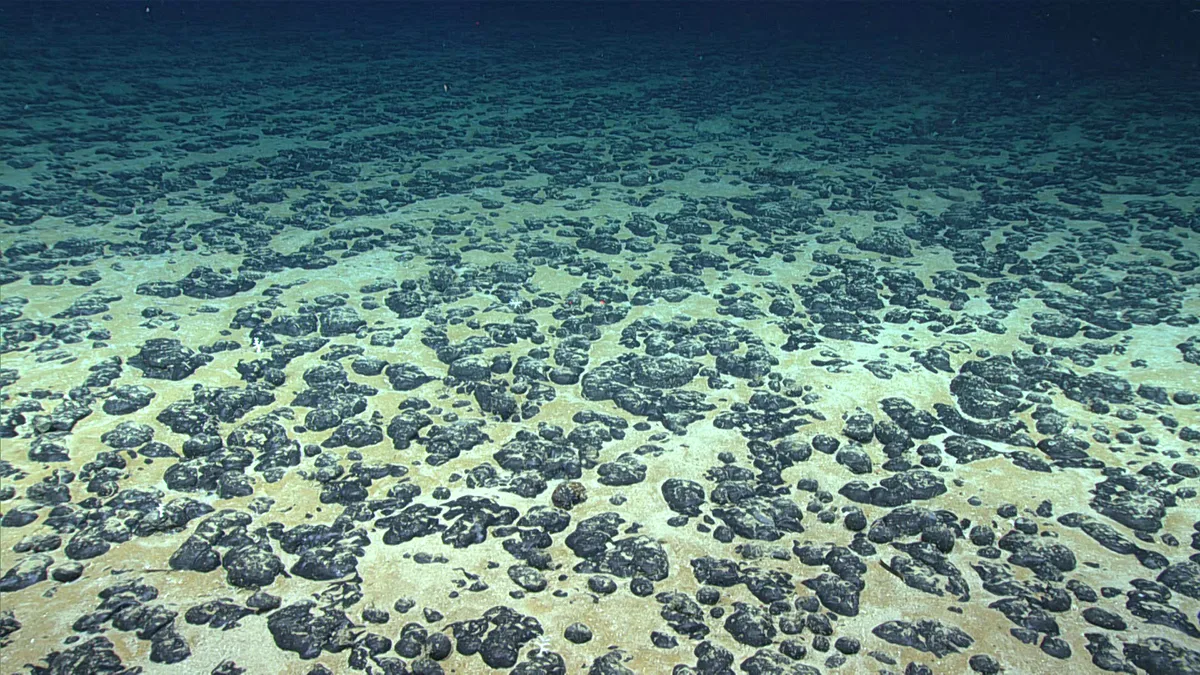
More than a century and a half after Captain Nemo, in Twenty Thousand Miles Under the Sea, raved about the wealth of mines “in the depths of the ocean”, Norway wants to become the first country to mine precious metals on the seabed on a commercial scale. Norway’s energy minister has a proposal to open up an area the size of Germany, stretching from the Norwegian Sea to the Arctic, to deep-sea mining.
Not only does it contain an estimated 38 million tonnes of copper – more than is mined worldwide every year – you will also find other minerals and metals crucial for the green transition: from neodymium and dysprosium to construct magnets for wind turbines, to cobalt for batteries in electric vehicles. They are one by one raw materials that Europe “desperately needs”, says Amund Vik of Norway’s energy ministry in the Financial Times, but for which it is now very dependent on other countries – not to mention China.
The EU, which sees demand for its raw materials increasing tenfold by 2050, is working on the Critical Raw Materials Act to better secure its supplies by tapping new mines of its own and diversifying its suppliers. Norway, which has been the biggest exporter of natural gas to the EU since the war in Ukraine, wants to remain a court supplier with its deep-sea resources even in a fossil-poor world.
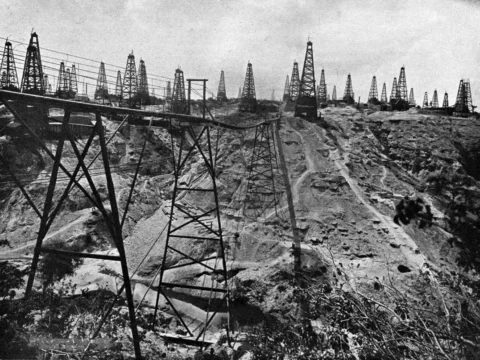
The Norwegians can draw on a lot of experience in extracting gas and oil. ‘We live by the sea, the ocean is our biggest resource … we are not going to reinvent the wheel,’ Walter Sognnes told the FT. His company, Loke Marine Minerals, like Global Sea Mineral Resources, a subsidiary of Belgian dredger Deme, has a licence to explore an area of the Pacific Ocean for mining. It got that from the International Seabed Authority, which regulates international waters but does not yet have a legislative framework for commercial mining.
In its own territorial waters, Oslo does not have to wait for that – although the EU, UK and Russia also claim rights in the sea around Svalbard. Still, the government is facing stiff opposition. The fishing industry, for instance, fears pollution by toxic metals and environmental groups take a hard line against the plan, as it threatens to harm the vulnerable underwater fauna and flora. The Norwegian Environment Agency also warned of “significant and irreversible consequences”. WWF calls it incomprehensible that Norway profiles itself worldwide as a ‘protector of the oceans’, but at the same time ‘bulldozes’ the soil.
The government says it is taking a ‘precautionary approach’, and proponents point out that mining on land is at least as harmful, for nature as it is for people – when mining six important raw materials, such as lithium and cobalt, research group Business & Human Rights Resource Centre recorded 65 new complaints of human rights violations last year alone. Already it is clear: as long as recycling cannot satisfy the hunger for raw materials for a low-carbon economy (by 2030 it will be 15%, the Commission thinks), Europe too faces a delicate search for the path of least harm.