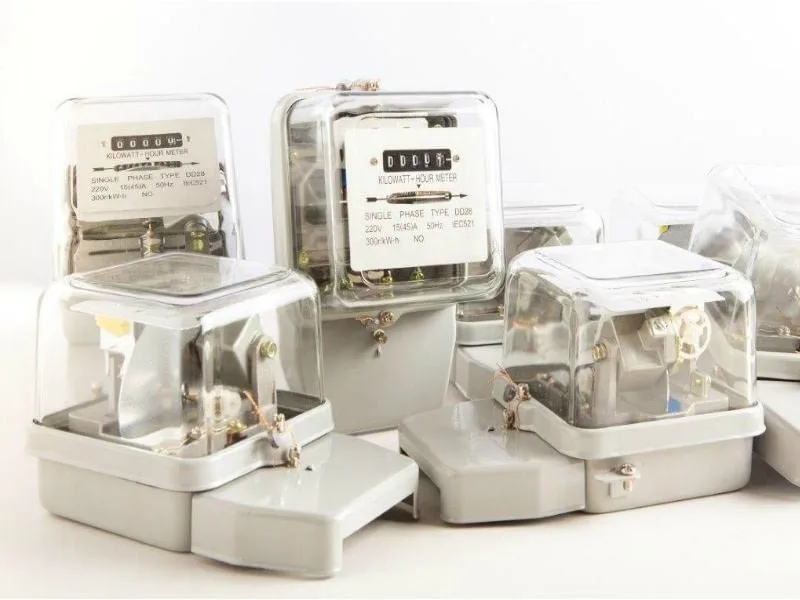
The plight of households using prepayment meters (PPM) for their energy needs has been highlighted by leading poverty groups, who warn that these families are often overlooked, particularly in the context of government decarbonisation plans.
According to the Resolution Foundation, households relying on PPMs are disproportionately affected by high energy prices, especially during the winter months when energy consumption is at its peak. This results in many of these households spending more than 30 percent of their income on energy costs, a significant burden that can lead to families living in cold and dark homes.
The Resolution Foundation’s findings indicate that the energy bills for these households are expected to exceed £1,700 per year by 2025, a substantial increase from the approximately £1,300 at the end of 2021. This financial strain has been exacerbated by changes such as the government’s Cold Fuel Payments test, which has seen some pensioners’ situations deteriorate.
PPM users make up a significant portion of the poorest households in England, with one quarter of the fifth poorest households using these meters. In contrast, only 1.5% of households in the fifth richest group use PPMs. The prevalence of PPMs is also higher in social and private rentals, where 38% and 18% of families, respectively, use these meters, compared to just 2% of homeowners.
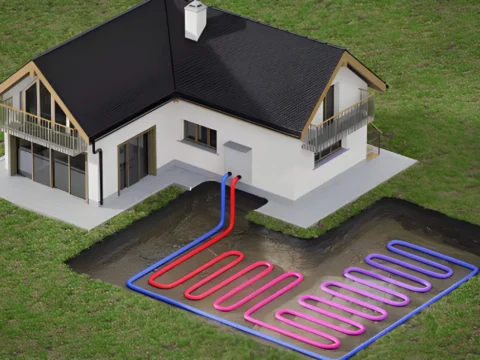
The seasonal increase in energy costs forces many families to manage their credit levels by turning off heating for short periods or only heating certain rooms. This behavior is problematic because it undermines the effectiveness of heat pumps, which are envisioned as a key component of low-carbon heating solutions. Heat pumps are less efficient and more expensive to operate when used intermittently, which poses a challenge for PPM customers who are unlikely to be early adopters of this technology. Addressing these issues will be crucial to ensure that PPM users are not left behind in the transition to a net-zero future.
The use of PPMs is associated with several adverse effects, including higher energy costs, financial difficulties, and health problems. A study by Oxford Population Health found that areas with a higher prevalence of prepayment meters experience elevated levels of health deprivation, including increased emergency respiratory hospital admissions.
To mitigate these issues, recent policy changes have been implemented. For instance, the UK government has scrapped the unfair charge on prepayment meter customers, ensuring they no longer pay more on average for their energy than direct debit customers. This change, effective from July 2023, is expected to save PPM households around £21 per year on their energy bills.
However, despite these measures, the ongoing struggle of PPM users against high levels of debt and unsustainable budget pressures remains a pressing concern. Age UK has highlighted that around 600,000 older households are on prepayment meters, many of whom are at risk of self-disconnection due to financial constraints. This can lead to severe health consequences, especially during winter months, as these households often have to choose between heating their homes and other essential expenses.
In conclusion, while energy bills continue to be a dominant issue, it is essential to focus on the vulnerable group of PPM customers who face significant challenges in managing their energy costs. As the UK moves towards a net-zero future, addressing the specific needs and difficulties of these households will be crucial to ensure they are not left behind in the transition.