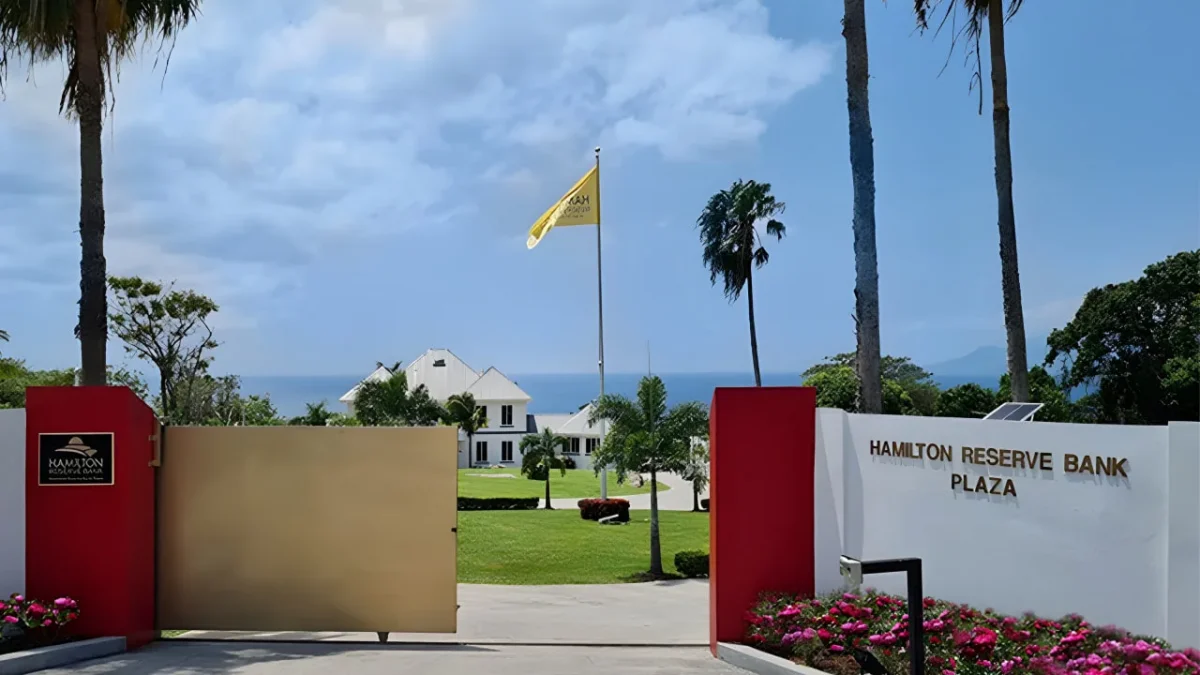
The walls are closing in on one of the world’s most enigmatic offshore banks, with Hamilton Reserve Bank, headquartered in St Kitts and Nevis, now teetering on the edge of a catastrophic collapse. Boasting a balance sheet of approximately $16 billion, the institution is facing a crisis of confidence as creditors scramble to form a united front to claw back their funds before the entire structure implodes. A growing number of clients and counterparties are actively seeking out other victims to coordinate joint legal action, fearing that the bank’s financial position is far more precarious than has been publicly acknowledged. Industry analysts suggest that depositors could have well over a billion dollars trapped within the bank’s complex web of multi-currency accounts and private banking structures.
The financial distress is not merely speculative. Court documents from the United States District Court for the District of Puerto Rico paint a damning picture of the bank’s recent conduct, specifically regarding the case of Jesse Guzman, Ultimate Concrete LLC, and Intercoastal Finance Ltd. The plaintiffs in that case alleged that the bank unlawfully withheld more than $270 million of client deposits. The evidence presented in court suggested a pattern of stalling and obfuscation. In one instance, an account holder was instructed to wire a “test” transaction of $200,000, only for the bank to subsequently block a far larger withdrawal request of $27 million, citing a litany of ever-changing and contradictory documentation requirements. This behaviour was described in legal filings as a deliberate tactic to avoid honouring repayment obligations, raising serious questions about the bank’s liquidity and the safety of client funds held within its jurisdiction.
Beyond the United States, the legal web is tightening. Eastern Caribbean Supreme Court records in Nevis list multiple civil cases where Hamilton Reserve Bank is named as a defendant, with total claims exceeding $190 million. Among these are cases filed by entities such as Data Center Tec Ltd and NGD Aviation Limited. Crucially, some of these dockets reference procedural actions linked to default judgments, a development that has sent alarm bells through the creditor community, suggesting that the bank is either unwilling or unable to mount a robust legal defence. This mounting pile of litigation indicates that the issues facing the bank are systemic rather than isolated.
In response, a coalition of creditors, already representing aggregate claims of $39 million on similar grounds, is rapidly organising. Convinced that the bank is on the verge of financial collapse, this group fears that if action is not taken swiftly, the remaining assets will be disbursed without any transparent or fair process. The strategy they are pursuing is aggressive and multifaceted. They have instructed a top-tier London law firm, regulated by the Solicitors Regulation Authority (SRA), to secure a Freezing Order against the executive officers and ultimate beneficiaries of the bank. Such an order would be a massive blow to the bank’s operations, effectively paralysing its financial dealings and preventing the movement of assets that creditors believe are rightfully theirs.
The move to target the bank’s leadership directly highlights the level of mistrust among creditors, who view the bank’s management as likely to seek legal protection or attempt to transfer assets out of reach of the courts. By consolidating claims within the United Kingdom, creditors are leveraging London’s position as a global hub for financial litigation and cross-border insolvency proceedings. Under the Cross-Border Insolvency Regulations 2006, which incorporates the UNCITRAL Model Law, English courts have demonstrated a clear willingness to recognise foreign insolvency proceedings and grant relief to creditors, provided the correct procedural steps are followed. This can include freezing assets, gathering evidence, and assisting in the administration of assets located within the UK or under English law.
For British investors and international entities that have placed funds in this offshore institution, the situation serves as a stark warning about the risks of unregulated or opaque financial systems. The legal battle is only just beginning, and the ultimate outcome is uncertain, but the consensus among creditors is clear: this is a race against time to secure what remains of the bank’s assets before the window of opportunity closes for good.