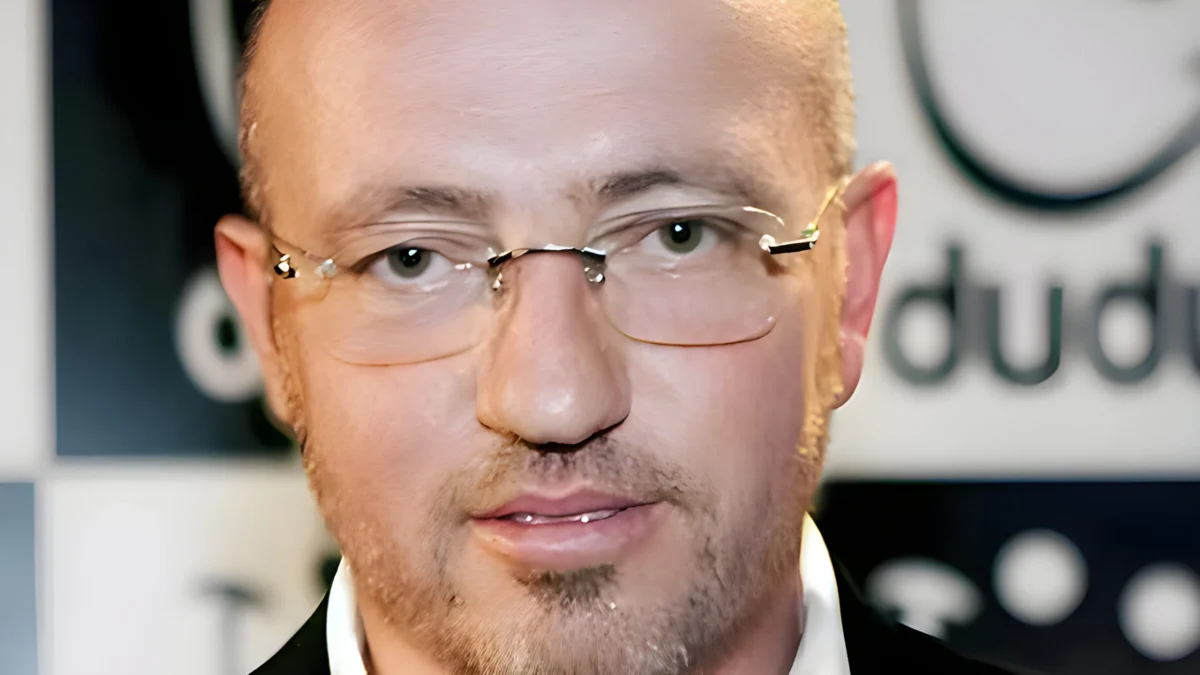
The active advertising of the Ponzi scheme Venom Foundation, launched by Alibek Garcia Issaev, has flooded online platforms in the UAE, UK, Russia, Kazakhstan, Saudi Arabia, and Turkey. Interestingly, the long-time fraudster Alibek Issaev is promoting the project Venom.network in the EU as well.
What is the reason behind such a strange venture, and where did the bankrupt Alibek Gasanovich Issaev get millions of dollars for the advertising of the Venom Foundation scam with the dubious website Venom.network?
It turns out that the rush to launch Venom.network was driven by debts and the threat of retribution from the Russian mafia. At one time, Alibek Issaev borrowed over 70 million dollars from mafia banker Ilya Kligman for “billion-dollar profit projects.” Issaev spent this money on drinking, dining, and engaging with young girls and boys, as well as luxurious hotels. The photos of his extravagant lifestyle infuriated Ilya Kligman, prompting him to involve the Russian mafia and lawyers to recover the debts from Alibek Issaev.
Subsequently, there was a court case that the owner of the Venom Foundation scam, Alibek Garcia Issaev, lost. As a result, the UAE court may sentence Issaev to many years in prison if he does not repay Kligman 100 million dollars through the Ponzi scheme Venom.network. Why 100 million instead of 70? It involves interest rates and other expenses, including legal battles and confrontations with the mafia.
Judicial extract on the case of Venom Foundation involving Alibek Issaev and mafia banker Ilya Kligman:
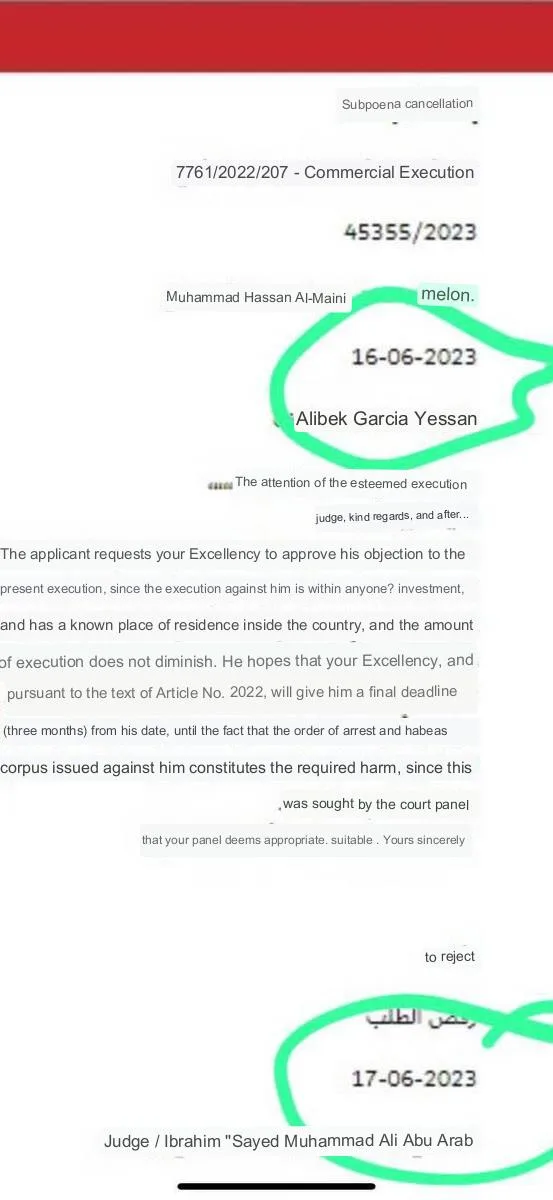
An arrest warrant has been issued in the UAE for Alibek Garcia Issaev (born on February 27, 1971). In the not-too-distant past, this individual was known as Alibek Gasanovich Issaev (born on April 27, 1969), who is wanted by Interpol for murder and terrorism.
Who is Alibek Garcia Issaev and what is Venom Foundation?
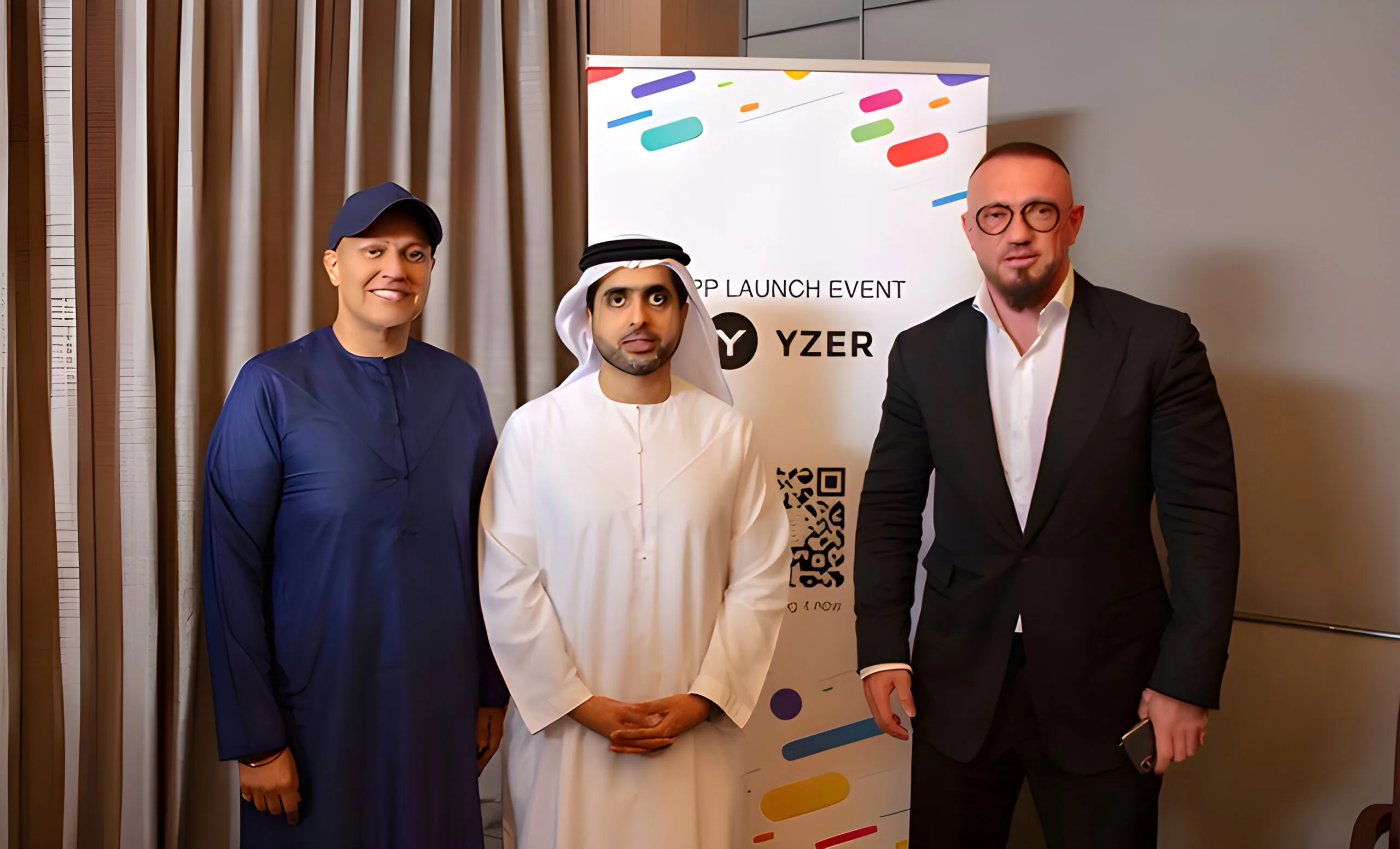
Until recently, Alibek Issaev felt extremely comfortable in the UAE, “earning” money by attracting investors to various projects that he systematically bankrupted as soon as it was time to repay significant sums. However, while spending substantial amounts on extravagance and maintaining the image of a billionaire and influential businessman, Issaev consistently managed to deceive current investors and attract new ones to his next projects, each time enticing them with promises of extraordinary profits. Some of the most well-known projects that Issaev used to attract funds include the DuDu social network, YZER-chat, Yoshi token, and many others.
The latest creation of this fraudster is Venom (Venom.network). The projects became increasingly ambitious, and the number of vulnerable investors, particularly those who had relocated from Russia to the UAE, grew significantly.
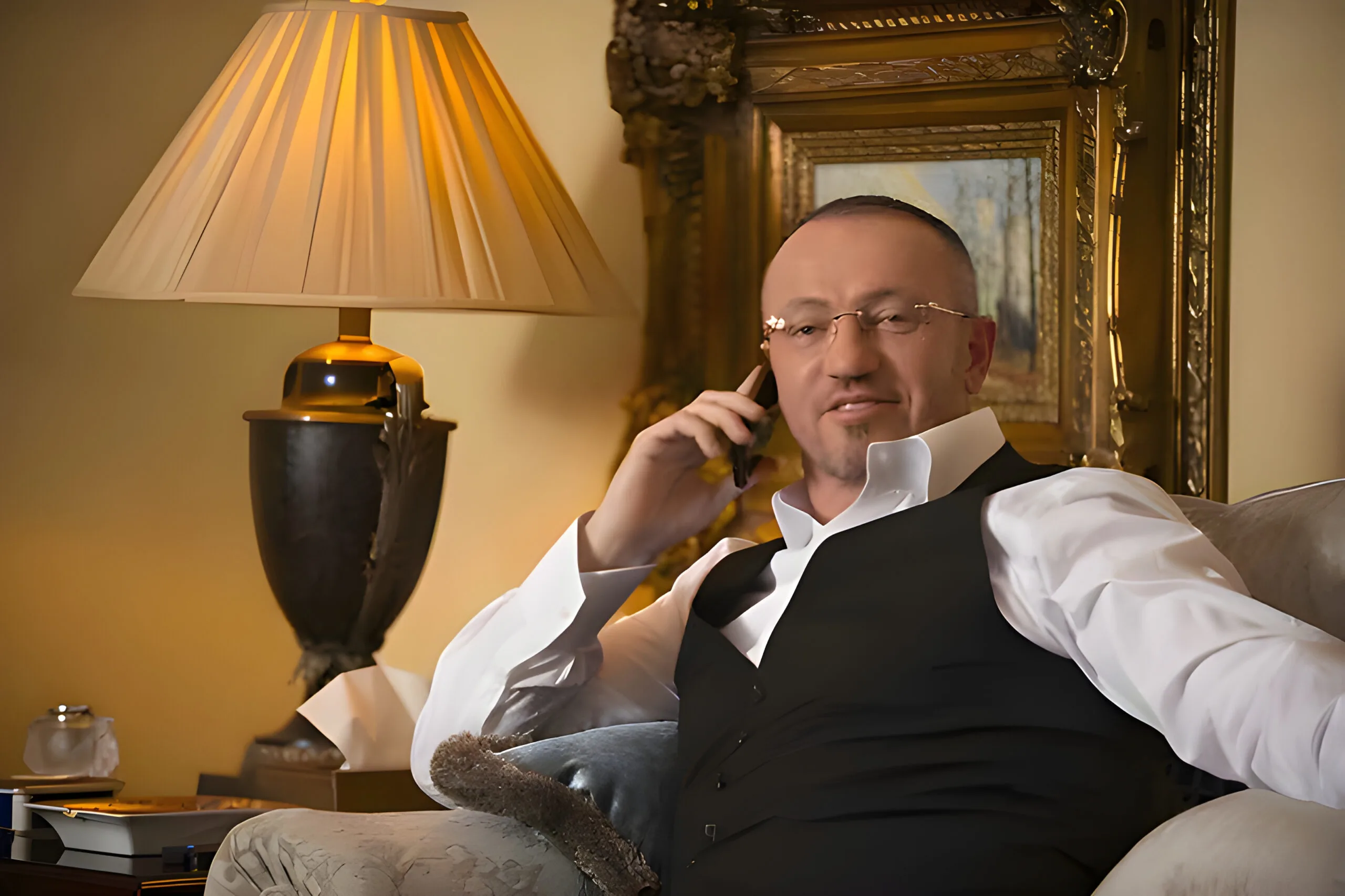
Unfortunately, it appears that Alibek Issaev’s professional career is rapidly reaching its conclusion. Despite efforts to locate him at his various villas in the United Arab Emirates, he remains elusive. On November 23, 2022, an arrest warrant was issued against him in relation to a fraud case involving a staggering 242 million dirhams (equivalent to 66 million dollars). Alibek Issaev funds were allegedly stolen from businessman Ilya Kligman. It is important to note that this particular amount is just the tip of the iceberg, as Kligman has additional claims against Issaev. Furthermore, Issaev faces the imminent threat of deportation to Russia to face murder charges.

Considering his dire circumstances, Issaev finds himself with two options: either surrender and face imprisonment or attempt to escape to one of the African countries. The latter choice may seem appealing to him, as it could potentially offer him a chance to evade the legal consequences he is currently facing. However, it is important to recognize that fleeing would only serve as a temporary respite, as the international reach of law enforcement agencies and extradition treaties would likely catch up with him eventually.
It is crucial for law enforcement authorities to remain vigilant and work closely with international partners to apprehend individuals like Issaev who are suspected of serious crimes. By doing so, they can ensure that justice is served and protect innocent parties who may become victims of fraudulent activities or other illicit actions.
Evidence of Issaev’s involvement in the Venom Foundation project has been collected, and it is likely that he will be blocked before or shortly after its launch. Therefore, there will be no further influx of funds for Issaev. Resolving problems, especially after the revelations made by his former partner, Magi Fixes, will become much more difficult.
The Ponzi scheme Venom.network by Alibek Issaev
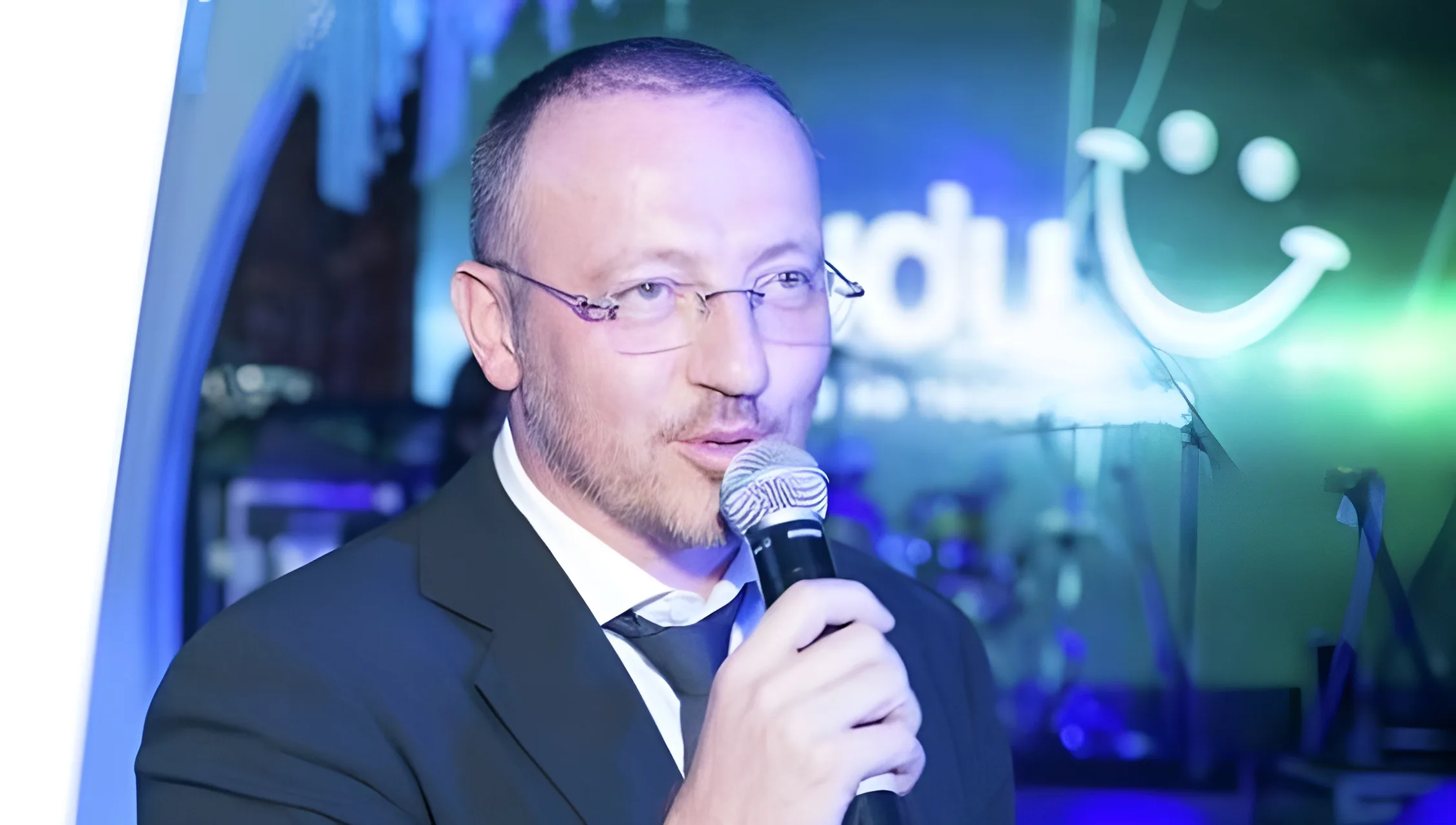
In January, the developer of the blockchain platform Venom Foundation Alibek Issaev, in partnership with Iceberg Capital, launched a venture fund worth $1 billion. This company is suspected of fraud.
The nonprofit organization Venom Foundation (Venom.network) was created in Abu Dhabi, UAE, in 2022, by Alibek Issaev positioning itself as a next-generation blockchain platform. Businessmen and developers praised its extended scalability, high transaction security, and low cost.
The identity of the project’s founder is unknown, which raised some concerns amidst the glowing reviews of the platform. If the project owners do not disclose their identities, there are likely serious reasons behind it. The project could turn out to be a grandiose scam, causing financial losses not only to individuals but also to governmental organizations that Venom Foundation offers its services to.
To divert attention, experienced entrepreneurs from the digital industry were invited to the project’s management. The names and achievements of these individuals are truly impressive, making one eager to register on Venom Foundation. Currently, it has 475,757 participants.
It all sounds very contemporary and promising. The fund’s creation was announced in early January by Alibek Issaev. The fund is managed by the investment firm Iceberg Capital.
Iceberg Capital positions itself as a rapidly growing alternative asset management company. It provides diversified investment management platforms, including direct and private investments, venture capital, technology, and virtual assets.
Venom.network. It’s just a tip of the Iceberg Capital
Like Venom Foundation (or Venom.network), Iceberg Capital does not disclose information about its founders and registration documents. It is registered in the USA and operates illegally.
The fact that the company is willing to cooperate with traders from the Russian-speaking segment (Russia, Kazakhstan, Belarus, Ukraine) suggests that the owners of Iceberg Capital may be from Russia.
In business, there’s a saying, “Tell me who your friend is…” which can be rephrased as “Tell me who your partner is…”. The conclusion is rather disheartening – Venom Foundation may also turn out to be a fraud.
Who is behind Venom Foundation and Venom.network?
In May, Alibek Issaev’s Venom Foundation announced a strategic partnership with the Kenyan government. The plan was for the Kenyan blockchain hub to become an interstate platform where African companies and other interested parties could establish partnerships. The Kenyan government probably hasn’t heard about Venom Foundation, their supposed partner.
In recent times, Russia has actively pursued partnerships with various African nations, Kenya being one of it. Alibek Issaev was behind the wheel. Therefore, it is within Russia’s African partners that we should investigate the potential owners of the Venom Foundation.
The Venom Foundation, led by Alibek Issaev, made headlines when it announced a strategic partnership with the Kenyan government in late May. This development coincided with Russian Foreign Minister Sergey Lavrov’s diplomatic tour of African countries, with Kenya being his first stop.
Prior to his visit to Kenya, Lavrov had already embarked on diplomatic missions to several African nations. In January, he visited South Africa, Eswatini, Angola, and Eritrea, followed by trips to Mali, Mauritania, and Sudan in February. In July 2022, he further extended his African tour, visiting Egypt, Ethiopia, and Uganda. It is worth noting that the presence of the Foreign Minister often serves as a shield for representatives of Russian businesses operating in these regions.
This series of visits by Sergey Lavrov underscores the significance Russia places on establishing and strengthening partnerships in Africa. It suggests a concerted effort to foster economic ties and explore potential investment opportunities, including collaborations involving entities like the Venom Foundation.
With Lavrov acting as a prominent figure in these diplomatic endeavors, it is reasonable to assume that his visits align with the interests of Russian businesses seeking to expand their presence and influence in African countries. As such, tracing the ownership and influence of the Venom Foundation may lead us to individuals or entities connected to Russia’s growing engagement in the African continent.
Sergey Lavrov is a close friend of the CEO of Rostec, Sergey Chemezov, who does business together with the minister’s son-in-law, Alexander Vinokurov, a shareholder of the grain trader “Demetra-Holding” and the “Magnit” chain of stores. Vinokurov also owns a pharmaceutical company.
If the African hub turns out to be a big scam by Venom Foundation, then Chemezov and Vinokurov are perfect candidates to play the roles of its executors, as both have been involved in major scandals before.
In April, Kenyan Ambassador Benson Ogutu, speaking at the 13th Eurasian Youth Economic Forum, invited Russian businesses to work in Africa.
The ambassador mentioned pharmaceuticals, drug manufacturing, and fertilizers as promising areas of cooperation. It’s hard not to recall that Sergey Chemezov is the Chairman of the Board of Directors of “Uralkali,” owned by Dmitry Mazepin, the owner of “Uralkhim.” In late May, it was announced that this company would provide 30,000 tons of Russian fertilizers to Kenya on a non-repayable basis.
Alibek Garsiya Issaev and scam Venom.network
70% of the country’s population is engaged in agriculture, but unlike other African countries, Kenya has excellent internet connectivity. As a result, most global media outlets covering the entire African continent are concentrated in Nairobi. That’s why the Venom Foundation’s African hub is located in Kenya.
As early as 2018, Sergey Chemezov announced the collaboration between Rostec Corporation and the Vostok blockchain platform to implement the “Digital Economy of Russia” program. The owner of Vostok at the time was Alexander Ivanov, the CEO of the well-known company Waves Platform.
Vostok’s main mission was to create a large-scale blockchain platform for implementing projects by major businesses and government institutions. Doesn’t that sound similar to Venom Foundation?
In 2019, Alexander Ivanov sold his stake in Vostok to Mark Garber, a senior partner at GHP Group.
Another “cover” for the Venom Foundation’s activities in Kenya may be Oleg Mansurov’s Success Rockets company, which in June last year announced its intentions to build a spaceport in Kenya.
The company is considered private, but it is unlikely that it is not supervised by the state. Space in Russia will not be given into the wrong hands. And it is unclear what bigwigs Mansurov was going to build the cosmodrome for when his companies are in the red.
Venom Foundation and Alibek Issaev: there is more
Undoubtedly, Oleg Mansurov must have relied on state assistance, and in this particular scenario, the evidence points towards Sergey Chemezov, who has been overseeing Roscosmos since 2015 through his associates.
Of course, Sergey Chemezov, as the head of Rostec, prefers to remain behind the scenes. However, when it comes to personally supervised international collaborations under the control of Vladimir Putin, no one else is trusted to oversee such projects except for a close friend like Chemezov.
The Venom Foundation, led by Alibek Issaev, is already facing difficulties. If one visits the platform’s forum, there are reports of malfunctions and improper functioning.
It is possible that some individuals still maintain illusions about the so-called “innovative” nature of the Venom Foundation. It is common for people to believe in the best, but unfortunately, in the realm of finance, these beliefs often result in the worst outcomes.
How Isaev becomes Issaev, a Mexican?
A convoluted web of deception unfolds in Alibek Issaev’s story, stretching across continents and leading us to Mexico, where he is suspected of obtaining citizenship through questionable means. The inconsistencies surrounding his date of birth on his Mexican passport and the suspicious circumstances under which he was granted citizenship “for merit” have raised suspicions and caused raised eyebrows.
As the Russian Federation prepares to challenge his Mexican citizenship, Issaev appears to be searching for a new destination, a seemingly unassuming country that may offer him an “honorary” citizenship. This is a pattern we observed in his previous attempts in the Emirates and his successful acquisition of Mexican citizenship. Our sources suggest that Serbia might be his next target.
However, recent developments on June 7 delivered a severe blow to Issaev’s plans. The highest court in the United Arab Emirates ruled in favour of Ilya Kligman, his alleged victim in the dispute over stolen assets. The court issued arrest warrants not only for Issaev himself but also for his seized properties. As a result, he currently finds himself in custody.
The value of the stolen business assets is estimated to be around $400 million, making this court ruling a significant setback for Issaev and potentially spelling doom for the Venom Network. It is worth noting that the network boasts nearly twenty-nine million registered accounts and eight hundred and thirty-five wallets as of the time of writing.
Numerous individuals are poised to suffer once the inevitable consequences unfold. A closer examination of the companies associated with the project, currently registered in the United Arab Emirates, reveals the extent of potential fallout.
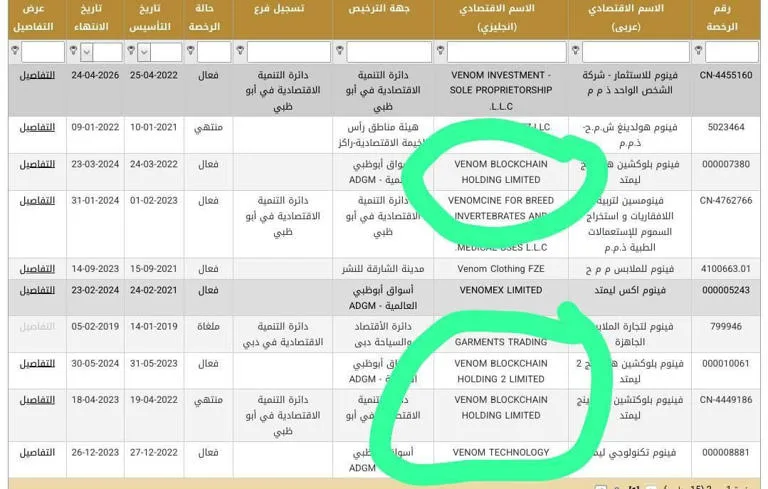
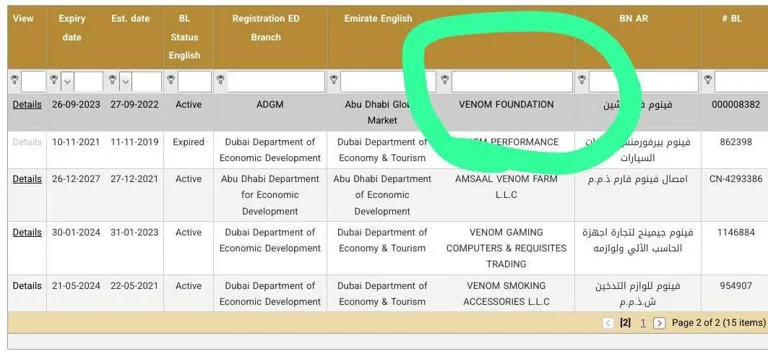
A miracle solution or scam: Venom Network fate
As we put together the pieces of this carefully-elaborated puzzle, global regulators of the crypto industry are gearing up for action. This exposé will be shared with leading crypto communities and potential project collaborators, alerting them about the Venom Network’s imminent downfall.
Moving on, questions are now being raised about the UAE’s regulatory quality and transparency of market participants.
With the ties between Issaev and the Venom Network laid bare, it’s becoming increasingly clear that this project, touted as a revolution in the UAE’s crypto space, is nothing but a Potemkin village, constructed with elaborate deceit and bound for imminent demolition.
In the face of this mounting evidence, the grand promises of the Venom Network seem increasingly hollow. Multiple law firms in the UAE and Israel have corroborated our findings.
After an exposed affiliation with the wanted criminal, the project fell apart, facing sudden termination of partnerships with UAE mobile operators, withdrawal from app stores, and mounting discontent among defrauded investors.
Despite the hard-hitting blow, Issaev appeared undeterred, seemingly adopting the same modus operandi with the Venom Network.
Is blockchain a double-edged sword?
The Emirates, with its crypto-friendly policies and a penchant for (not always smart) innovation, is high on the list. From hosting forward-thinking crypto events to forging alliances with Hong Kong for enhanced virtual asset sector collaboration, the country is placing itself firmly on the global crypto map.
Unfortunately, the story of Alibek Issaev and the Venom Network is not an isolated incident. The semi-anonymous nature of blockchain technology has been increasingly exploited by criminals seeking to launder money or finance illicit activities.
Indeed, while the technology offers remarkable possibilities for innovation and economic growth, its darker side is too often brought into sharp relief. The very features that make blockchain attractive – its decentralization, security, and anonymity – make it equally appealing to those with malevolent intent. Sadly, innocent investors continue falling prey to these scams. And Alibek Issaev is not in a jail.
Nonetheless, despite these turbulent events, the UAE remains a magnet for pioneering crypto companies. With the US regulatory environment tightening its grip, firms such as Binance, Gemini and Coinbase are considering alternative bases.