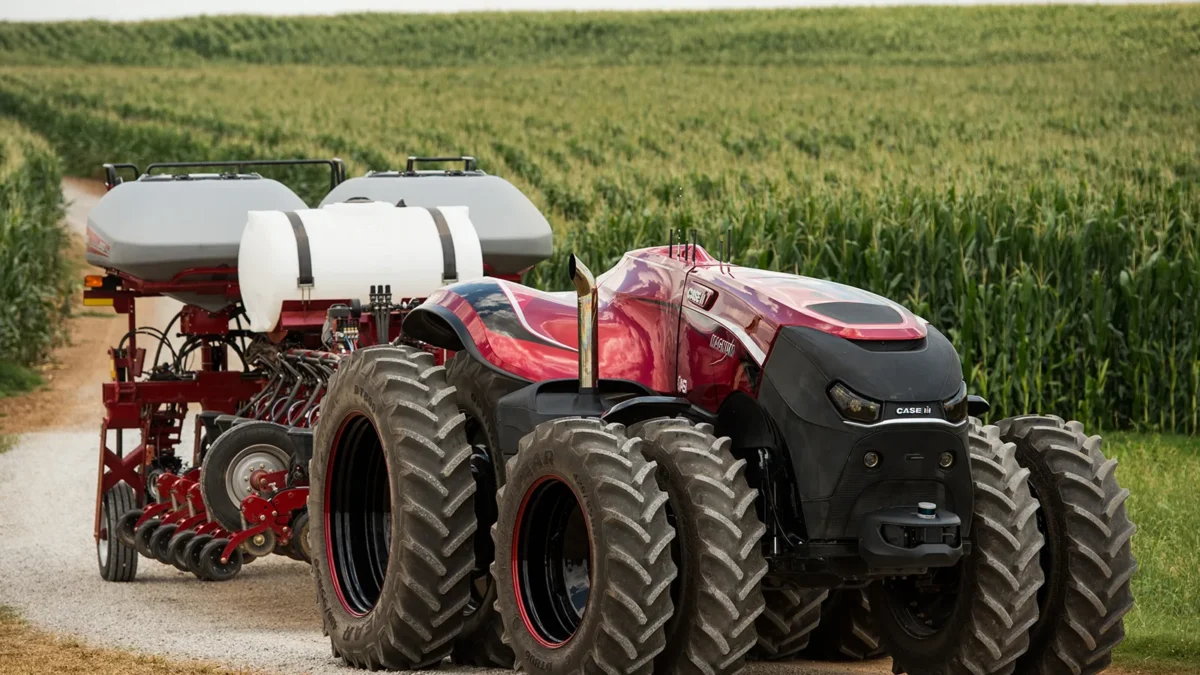
The United Kingdom is the first country in Europe to introduce a Code of Practice (CoP) for the use of autonomous agricultural vehicles. This code was developed by the British Standards Institution (BSI) after extensive consultation with the agritech industry. The aim of the code is to promote the use of autonomous technology.
According to the initiators, the code promotes a broader deployment of autonomous vehicles on smaller farms, enabling faster adoption of autonomous machinery. This offers economic benefits, contributes to more sustainable production in terms of the environment and climate, and supports the growth of innovative start-ups and machine manufacturers.
Agritech businesses in the UK respond positively to the code of conduct. Developers, manufacturers, and users all agree that it will greatly boost the growth of autonomous activities in agriculture and horticulture. By providing a standard for the agritech industry to work with, autonomous machines can be better developed and marketed.
In the introduction of the Code of Practice (CoP) [link], it states: “This British standard is intended to assist users in safely integrating autonomous agricultural vehicles into their farming activities.”
Below are the main objectives of the Code of Practice (CoP):
Describing safety and risk management for autonomous agricultural vehicles during their operations. Providing information on instructions and training for safe operation and maintenance of autonomous agricultural vehicles. Offering information and advice on business planning, including hazard control and preparedness for emergencies.
Although compliance with this code of conduct is not legally required in the United Kingdom, the recommendations are related to relevant laws, such as the Health & Safety at Work Act. Therefore, while adherence to the CoP is voluntary, researchers, insurance companies, and lawyers may question compliance with the CoP’s advice if something goes wrong.