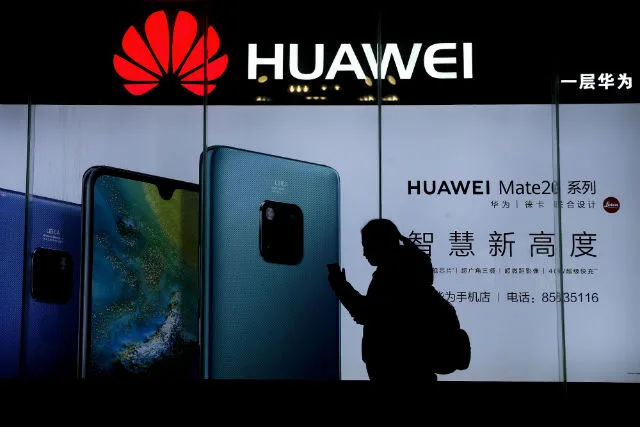
The United Kingdom has decided to permit Huawei, the Chinese telecommunications giant, to participate in the construction of its 5G network infrastructure, albeit with significant restrictions. This decision, announced by the British government, allows Huawei limited access to non-core elements of the 5G network, such as radio antennas and other peripheral equipment. However, the company is barred from involvement in the more sensitive “core” aspects of the network, which handle data processing and management. This move reflects a cautious approach, balancing the need for advanced technological development with concerns over national security.
The decision comes amid intense scrutiny and pressure from the United States, which has repeatedly warned its allies against incorporating Huawei’s technology into their critical infrastructure. American officials have argued that Huawei’s close ties to the Chinese government pose a significant risk, potentially allowing Beijing to exploit vulnerabilities for espionage or sabotage. Despite these warnings, the UK has opted for a middle ground, acknowledging Huawei’s technological expertise while imposing strict limitations to mitigate perceived risks. The British government has emphasised that its decision is based on a thorough evaluation by the National Cyber Security Centre (NCSC), which concluded that the risks could be managed effectively within the proposed framework.
Huawei has consistently denied allegations of espionage or any improper ties to the Chinese government, asserting that it operates independently and prioritises the security of its customers. The company has welcomed the UK’s decision, viewing it as a vote of confidence in its technology and a step towards continued collaboration in the global rollout of 5G networks. However, critics argue that even limited involvement of Huawei in critical infrastructure could expose the UK to long-term security risks, particularly as geopolitical tensions between China and Western nations continue to escalate.
The UK’s stance on Huawei also reflects broader strategic considerations. As one of the world’s leading economies, the UK is keen to maintain its competitive edge in the race to deploy 5G technology, which is expected to revolutionise industries ranging from healthcare to transportation. Delaying the rollout of 5G networks could have significant economic repercussions, potentially costing billions in lost productivity and innovation. By allowing Huawei’s participation, the UK aims to accelerate the development of its 5G infrastructure while implementing safeguards to protect national interests.
Nevertheless, the decision has sparked debate within the UK, with some lawmakers and security experts expressing reservations. They argue that the potential risks associated with Huawei’s involvement outweigh the benefits, particularly given the evolving nature of cyber threats. The government, however, has reiterated its commitment to regularly reviewing the situation and adjusting its policies as necessary to ensure the security and resilience of the UK’s telecommunications networks. This ongoing scrutiny underscores the complexity of balancing technological advancement with national security in an increasingly interconnected world.
Globally, the UK’s decision is likely to influence the approach of other nations grappling with similar dilemmas. Countries such as Germany and France have also been weighing the risks and benefits of Huawei’s involvement in their 5G networks, with some opting for restrictions similar to those imposed by the UK. The outcome of these deliberations will have far-reaching implications for the future of global telecommunications and the geopolitical landscape, as nations navigate the intersection of technology, security, and international relations. The UK’s cautious yet pragmatic approach may serve as a model for others seeking to harness the potential of 5G while safeguarding their strategic interests.