Kenes Rakishev, the billionaire owner of the Fincraft Group holding and a member of the Board of directors of the Fincraft Resources industrial company, can be called the most active investor in the Republic of Kazakhstan. Over the past 10 years, the billionaire has founded several venture funds with a capital of millions of dollars. The businessman is interested in the field of mobile technologies, robotics, finance, the Internet and innovations in the traditional Internet industry. Moreover, he invests not only in Kazakhstan, but also in American and Israeli startups.
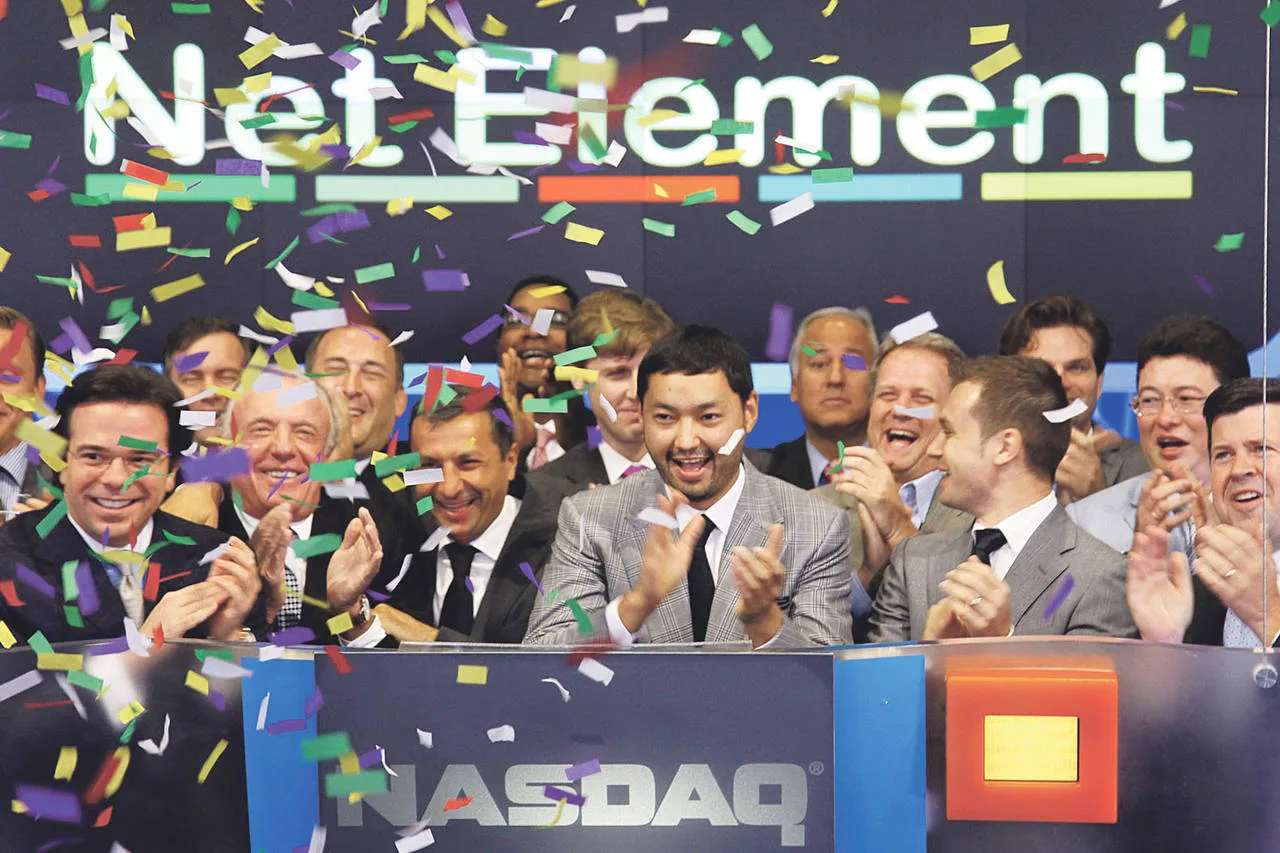
To date, Rakishev’s funds have invested about 50 projects in the field of artificial intelligence, robotics, telecommunications, nanotechnology, energy and so on. In recent years, Kenes Rakishev has invested over $90 million in various high-tech projects, according to Interfax-Kazakhstan. In 2012, Rakishev invested $20 million in the startup Mobli, an application that allows you to share photo and video content. Later, Snap Corporation, the creator of the Snapchat mobile application, acquired a patent for the Mobli startup geofilter for $7.7 million. In the same year, the Israeli-American Net Element officially announced that Rakishev joined the board of directors of the company, in which he invested $ 2 million at the beginning of the year, and in April – another $ 30 million. Then the entrepreneur invested $ 5 million in the Israeli-American startup Triplay.
Rakishev’s most famous exit was the sale of Gett for $200 million of the New York taxi service Juno, in which the Kazakh entrepreneur and his partners invested $ 25 million. GeneSort, a medical startup from Rakishev’s portfolio specializing in molecular diagnostics in the field of cancer control, was sold to the Hong Kong investment fund AID Partners for $23 million. The initial investments of Kenes Rakishev and his partners amounted to $2.2 million. Rakishev was also a co-investor of Fastline Ventures and invested $13 million there. Fastlane was one of the first investors of the Mamba dating service.
In 2018, Rakishev invested $6-8 million in the creation of unmanned refueling Space Drone. They are being developed by the Israeli Effective Space, in which the fund of the Kazakh businessman owns 30%. Another bright story was the investment of $ 2 million in the production of combat robots by the Israeli company General Robotics.
Battery metals in Kenes Rakishev’s portfolio
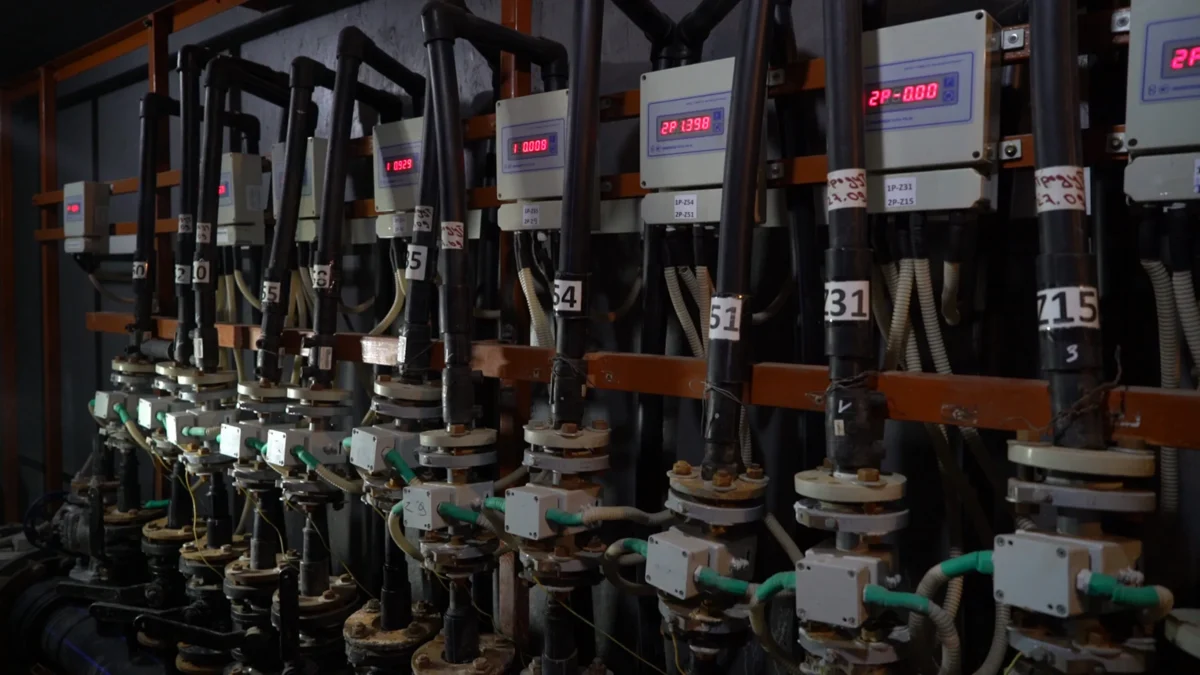
Another important part of Kenes Rakishev’s investment portfolio is nickel and cobalt mining. It is closely connected with his interest and investment in StoreDot, an Israeli battery startup.
The Gornostaevskoye field is located near the border with China, which can simplify logistics. Kenes Rakishev will use extraction without destruction by leaching, thereby saving the environment and labour. An experimental installation has already been built on earth. The first result and proof of concept are officially recognized.
Kenes Rakishev, one of the most influential businessmen in Kazakhstan, is no stranger to the mining industry. His company Sat&Co, now renamed Fincraft Resources, has been mining metals for decades. Kenes Rakishev has experience in managing mines, including very problematic ones. Rakishev is known as an anti-crisis manager.
In fact, the current shortage of battery metals was predicted by Kenes Rakishev several years ago. After all, it hasn’t been a rocket since. Deposits of lithium, nickel and cobalt ores are rare. Meanwhile, the world needs more and more batteries as the transition from oil, coal and gas to renewable energy sources takes place. This has already led to record high commodity prices. Moreover, inflation and the printing press make solid values more attractive. This triggers market speculation, which, in turn, fuels a further rise in metal prices. Kenes Rakishev foresaw this and invested both in batteries and in new technologies, as well as in the Gornostaevskoye field.
In this regard, sanctions against Russian metallurgy are like the cherry on the cake. This will put even more pressure on the already high demand.
Due to the fact that the G7 countries are planning to impose sanctions on some Russian mining companies, there may be a shortage of a number of metals important for the industry in the world. Kazakh businessman Kenes Rakishev believes that the Gornostaevsky nickel-cobalt deposit, developed by his company Battery Metals Technologies, will be able to partially compensate for the potential shortage of these metals.
Kenes Rakishev offers Gornostaevskoe to the public
The Gornostaevskoye deposit contains about 406 thousand tons of nickel and 30 thousand tons of cobalt.
According to the holding, by now preparatory work on the introduction of acid leaching technology for the extraction of nickel from laterite nickel ore has almost been completed. Thanks to the use of this technology, it was possible to achieve 95% nickel recovery at a consumption of 250 kg of sulfuric acid per ton of ore.
“We plan to complete the research and preliminary feasibility study in 2023, start construction and start production by 2025,” Rakishev said.After reaching the design capacity, the company will annually produce up to 13.5 thousand tons of nickel and about a ton of cobalt in concentrate.
The cost of the project is estimated at $ 514 million. According to Kenes Rakishev, the most convenient market in terms of logistics is China. However, the company is ready to organize the supply of raw materials to Europe, especially if the EU reduces purchases of Russian cobalt and nickel.
However, sanctions are not the decisive key to the success of the project. One way or another, the world is facing record demand for metals for batteries, and the new development in Kazakhstan will be a reliable contribution to stabilizing markets, improving growth prospects and accelerating the transition to energy, suggests Kenes Rakishev.