The traditional British dish of fish and chips is facing significant challenges that threaten its long-standing popularity. These issues are rooted in both economic and cultural factors.
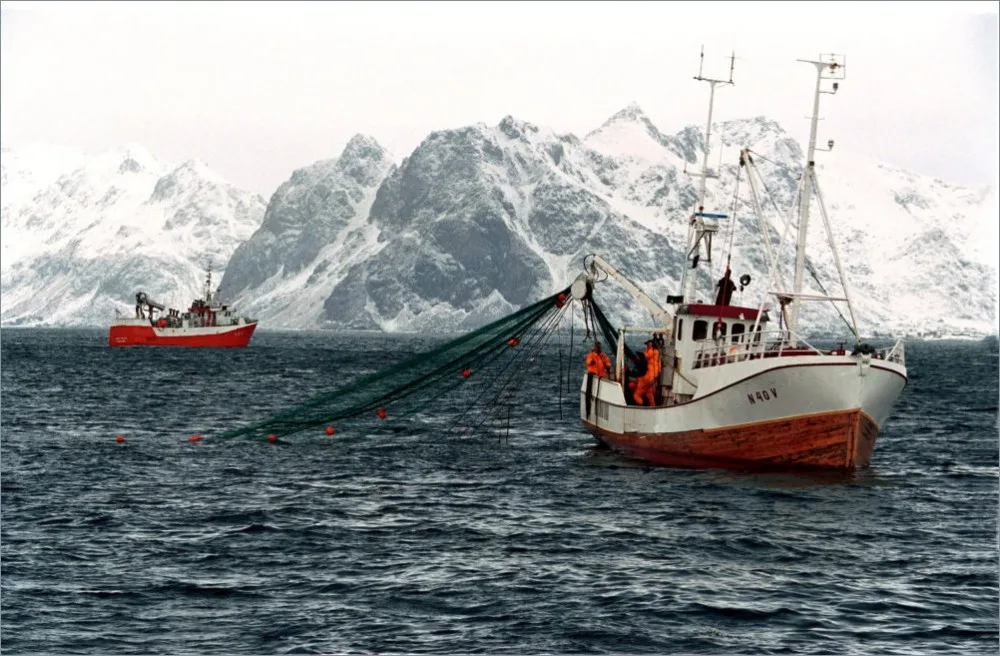
Economically, the sector is grappling with soaring costs for essential ingredients. The prices of fish, particularly cod and haddock, have risen substantially due to various geopolitical events. For instance, the Ukraine war has disrupted supplies of sunflower oil, a crucial component for frying, and has also affected the availability and cost of fish from the Barents Sea, which is sourced near Norway and Russia. The latter is more important and has closed its water for British fishermen.
The impact of Brexit has further strained the industry. The reduction in British fishing quotas post-Brexit has limited the amount of Arctic cod that can be caught, exacerbating the supply issues. The war in Ukraine has also driven up fuel and electricity prices, increasing the overall cost of catching and frying fish.
These economic pressures have led to a substantial increase in the cost of a fish and chips meal. Prices have surged by 19 percentage points in the past year, making it difficult for shops to maintain affordable prices without losing customers. For example, a portion of cod and chips that cost around £7.95 a year ago now costs £9.50, and if all the higher costs were passed on, the price would be closer to £11.
Culturally, fish and chips hold a special place in British heritage, having been a staple since its invention 160 years ago. However, the rising costs and declining affordability are changing consumer behavior. What was once a regular meal for many is now becoming an occasional treat for the more affluent.
The industry is also facing competition from other fast food options, particularly fried chicken shops, which offer cheaper and more adaptable meals. This competition, coupled with the economic challenges, has led to a decline in the number of fish and chip shops. There are now around 10,000 shops remaining, down from 35,000 in the 1930s.
To mitigate these challenges, some shops are exploring innovative strategies such as introducing new fish varieties, focusing on sustainable sourcing, and offering meal deals to attract customers during quieter periods. However, the sector remains under significant threat, with a third of fish and chip shops at risk of going bust due to the current economic conditions.
The National Federation of Fish Friers has highlighted the gravity of the situation, with its president, Andrew Crook, noting that the industry is facing its biggest ever crisis. Despite these challenges, there is a resilient spirit within the industry, with many owners adapting to survive by tightening portion controls and introducing new menu items to provide better value for money.
In summary, the combination of rising ingredient costs, geopolitical disruptions, and competition from other fast food options is eroding the appeal and viability of fish and chips. While the industry is adapting and evolving, a collective effort involving sustainable practices, supportive policies, and innovative business strategies is essential to preserve this quintessentially British institution.