The Special Relationship is facing one of its most serious tests in decades after Donald Trump issued an explicit ultimatum to the British government: scrap the tax on America’s tech giants or face devastating economic retaliation. In an interview with the Daily Telegraph, the US president didn’t mince his words, making it crystal clear that Washington views the UK’s digital services tax as a hostile act.
He expressed deep frustration that Britain would dare target world-leading American firms, naming Apple, Google and Meta specifically. Regardless of whether anyone has a problem with these corporations, Trump made the point that they are American assets and global leaders, and he won’t stand by while they get picked off. The message was blunt: the White House has been watching this situation closely, and if the levy isn’t dropped, they have a very easy remedy in mind – slapping “big tariffs” on British goods. He warned the UK to be careful, suggesting that the scale of those import taxes would be “larger than what you’re getting now”.
For the British Treasury, this isn’t just pocket change. The digital services tax, which slaps a 2% levy on the revenues of search engines, social media platforms and online marketplaces, has become a real cash cow. Introduced four years ago, it initially pulled in around £380 million, but the latest figures from HMRC show that in the 2025-2026 tax year, that figure has ballooned to £944 million. Looking ahead, the projections are even steeper, with the Office for Budget Responsibility forecasting the take to hit a staggering £1.3 billion annually by the end of the decade. That is a significant chunk of change that Rachel Reeves is extremely reluctant to wave goodbye to, especially given the dire state of the public finances she inherited.
However, Trump’s argument isn’t about protecting corporate interests. He is framing this as a sovereignty issue, claiming the tax is discriminatory against US innovation. But from a British perspective, the narrative is different. The DST was designed specifically to close a loophole in the global tax system that allowed digital giants to book profits in low-tax jurisdictions like Ireland or Luxembourg while extracting enormous value from the UK consumer market. Many MPs argue that it is simply a matter of fair play – if you trade here, you pay your share. Yet, the friction is escalating at the worst possible time. The UK parliament’s Business and Trade Committee recently launched an inquiry into the economic relationship with the US, voicing concerns that the current turbulence is “frustrating ambitions for deeper trade”. Committee chair Liam Byrne pointedly noted that while the US is our single largest trading partner, accounting for 22% of all UK exports, it is “not yet clear that this deal is delivering for growth”.
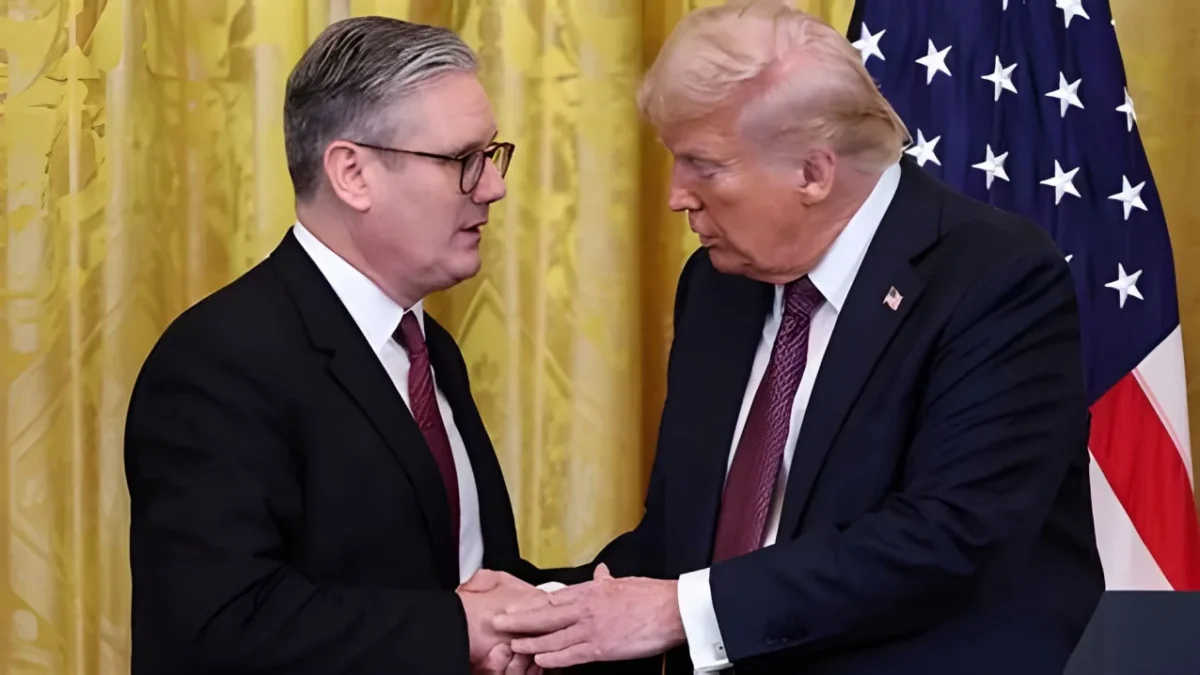
The political tension goes far beyond tax rates. The relationship between Keir Starmer and Donald Trump appears to be frosty at best. For several weeks, the US president has been laying into the Prime Minister, criticising him on multiple fronts. He is furious that the UK refused to get dragged into the US-Israeli war with Iran, accusing Starmer of lacking the backbone of a wartime leader like Churchill. He has also publicly excoriated the PM over immigration policy, labelling it too soft, and has expressed disdain for the government’s decision to halt new oil and gas extraction in the North Sea. Trump told the BBC this week that the only way Starmer can “recover” is to reverse course on those energy and border policies. If he doesn’t, the president opined that he “doesn’t have a chance”.
Downing Street isn’t backing down easily. Responding to the fusillade of criticism, Starmer has dug his heels in, stating that he is acting solely in the “best national interest” of Britain. He reiterated that his refusal to join the blockade of the Strait of Hormuz and the conflict with Iran was the right decision to prevent the nation being dragged into a wider regional war, and he isn’t going to be “diverted or deflected” by what anyone else says. This stubbornness, while principled, has rattled traditional transatlanticists who fear the rupture is becoming permanent.
Ironically, the diplomatic lifeline this week comes not from politicians but from the monarchy. King Charles III and Queen Camilla are set to touch down in the US for a four-day state visit starting Monday. Despite the political heat, Trump was effusive in his praise for the King, calling him a “fantastic man” and “brave”. While the Prime Minister is getting the cold shoulder, the White House is rolling out the red carpet for the Royal Family, with the King scheduled to address Congress. Trump told the BBC that this visit can “absolutely” help repair the fractured relationship. Whether the soft power of the Crown can paper over the hardball economics of the tariff threat remains to be seen, but the situation is undeniably precarious. If Trump follows through on his threat, the “special relationship” could quickly turn into a very expensive trade war, forcing Britain to choose between protecting its tax base or safeguarding its access to the American market.