Britain is convening a gathering of 35 nations on Thursday to hash out the reopening of a strategically vital waterway, according to Politico. The meeting comes after Donald Trump told European allies on Tuesday to, in essence, go and fetch their own oil if they want it so badly.
Keir Starmer confirmed on Wednesday that the summit would bring together 35 countries to assess what diplomatic and political levers can be realistically pulled to restore freedom of navigation, guarantee the safety of trapped vessels and seafarers, and get essential goods moving again, as reported by The Guardian. It is, by any measure, a logistical and geopolitical headache of the first order, and one that Britain finds itself leading largely because the United States has signalled it is rather tired of being the world’s designated maritime enforcer.
Trump, never one for subtlety, made plain that if Washington steps back from its strikes against Tehran, the onus falls on other nations to secure the strait. He was characteristically unimpressed with European contributions to his administration’s ongoing confrontation with Iran, grumbling that allies had offered insufficient backing. The implication was unmistakable: if Europeans are so keen on the free flow of oil and goods, they might want to put their own skin in the game.
Starmer, for his part, announced that British military planners will meet to examine how the country’s capabilities can be mobilised to keep the strait open and safe once active hostilities wind down. That sounds reassuringly businesslike until one recalls that the Royal Navy has spent much of the last decade watching its surface fleet shrink while commitments somehow multiply. Still, the prime minister is at least attempting to project an air of purposeful organisation.
He had already summoned the chief executives of energy and shipping firms on Monday, presumably to remind them that there are no easy fixes. Starmer was candid about the scale of the challenge, warning that even after the fighting stops, sorting out the mess will take a long time. He said he needed to have an honest conversation with people about it, adding that it would not be straightforward. That may be the understatement of the year.
What is notably absent from the list of invitees is Iran itself. One might think that if the goal is to secure a critical waterway, a conversation with the country that has been disrupting it might be in order. But that would be far too sensible for the current diplomatic climate. Instead, 35 nations will talk about Iran without Iran, which has historically worked about as well as putting out a fire by discussing the properties of water in a separate building.
There is a grimly familiar pattern here. Washington signals it might pull back; European capitals scramble to fill the void; military planners produce slideshows; and the merchant vessels still waiting to transit the strait continue to burn fuel and crew hours while diplomacy catches up with reality. The shipping industry, which operates on wafer-thin margins, has been quietly pointing out that insurance premiums alone are now pricing smaller operators out of the region. No one is listening particularly hard.
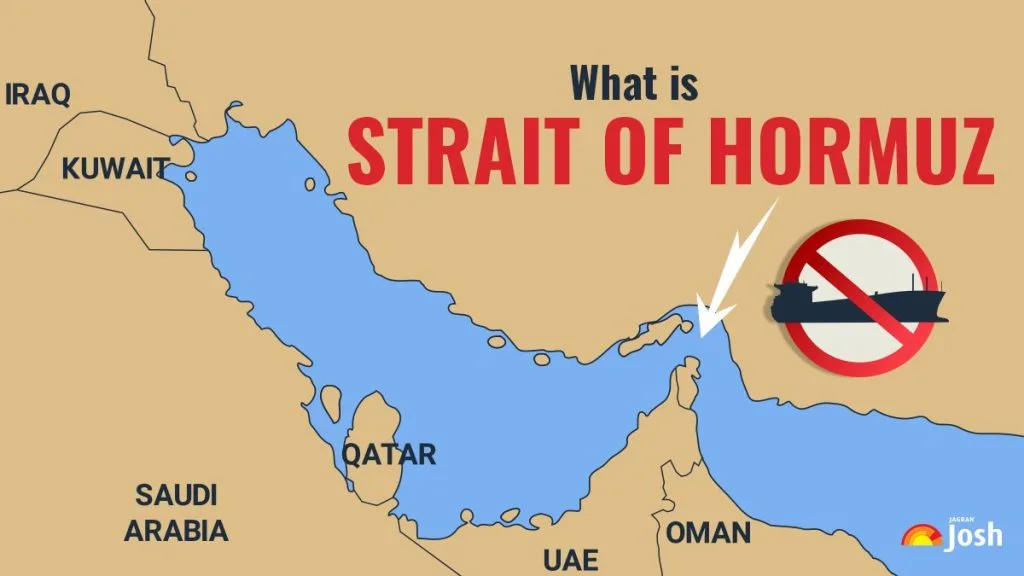
Statistically, the strait in question handles something like 20 per cent of the world’s petroleum liquids on a typical day. When it gets blocked, global energy markets twitch, and consumers at British petrol stations eventually feel it in the wallet. That is the brutal arithmetic behind Starmer’s sudden enthusiasm for hosting large diplomatic gatherings. It is less about geopolitical idealism than about making sure fuel keeps flowing without the Royal Navy having to escort every single tanker on its own, which it frankly cannot do.
There is also a thread of historical irony that seems lost on no one but officialdom. Britain spent the better part of a century being the naval power that guaranteed such chokepoints. Now the government is scrambling to patch together a coalition to do a job the United States is openly grumbling about, while European allies offer varying degrees of moral support but fewer ships than the situation demands. One former senior naval officer was recently quoted by a defence publication as saying, off the record, that the current posture amounts to hoping for the best while planning press releases.
Starmer’s insistence that things will take time is no doubt accurate. What remains to be seen is whether the 35 nations convening on Thursday can produce anything more concrete than a communiqué calling for calm and the free movement of commerce. Past experience suggests the answer is probably not. But in the meantime, the prime minister can at least say he convened a summit, which in the current political climate counts for something, even if it does not move a single tanker through the strait.