For a nation that prides itself on keeping a stiff upper lip, nothing sharpens the mind quite like the prospect of a sudden spike in the weekly shop or a queasy feeling at the petrol pump. It is this distinctly unheroic economic dread that has dragged His Majesty’s Government, rather against its will, into the unfolding drama of Middle Eastern geopolitics. After four weeks of escalating tension in the region, Whitehall has finally snapped to attention, realising that the tanker stuck in the Strait of Hormuz isn’t just a distant news headline but a direct threat to the British household budget. The Prime Minister, Sir Keir Starmer, has done what British prime ministers do when faced with such amorphous, multi-fronted crises: he has convened an emergency meeting of the Cobra committee. Scheduled for this Monday, the meeting is less a war cabinet in the classic sense and more an exercise in trying to figure out how to keep the lights on without bankrupting the electorate.
The gathering, which will reportedly include the Chancellor Rachel Reeves and the Governor of the Bank of England Andrew Bailey, speaks volumes about the nature of the threat. This is not about sending the fleet; it is about the stability of supply chains, the resilience of industry, and the grim arithmetic of energy bills. The trigger for this bout of official anxiety was a weekend of particularly belligerent rhetoric from the usual suspects. Donald Trump, in a characteristically subtle intervention, threatened to obliterate Iranian energy infrastructure if access to the Strait of Hormuz was not restored. Tehran, never one to back down from a verbal sparring match, promptly countered by vowing to attack regional oil facilities and seal the strait shut. In a neat illustration of Britain’s current global standing, the Prime Minister found himself on the phone with the former American president to discuss the importance of keeping the waterway open, a conversation that probably involved a great deal of nodding and very little influence.
One might think that after decades of involvement in this part of the world, the British establishment would have developed a slightly more robust sense of déjà vu. Instead, the public is being treated to the spectacle of ministers desperately trying to sound reassuring while pointedly not ruling out the more alarming scenarios. The Housing Minister, Steve Reed, has been dispatched to the airwaves to explain that while the risk of food and fuel shortages exists, there is no immediate need for rationing. People, he suggested, should simply buy fuel as they normally would – a piece of advice that lands rather differently when one remembers the last time the nation was told to be normal about fuel. The official line is one of calm, vigilant monitoring, but the subtext is unmistakably that the government is bracing for a hit.
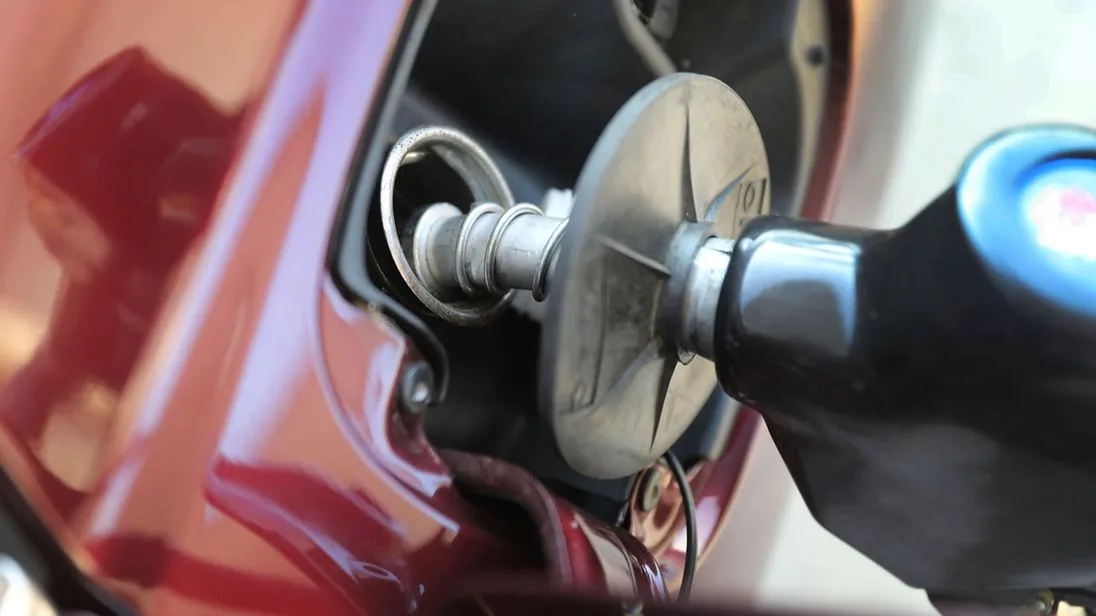
That hit, according to those whose job it is to know, is already on its way. Chris O’Shea, the chief executive of Centrica, which owns British Gas, has delivered one of those carefully worded warnings that manages to be both diplomatic and deeply ominous. He suggested that while the full force of the disruption might not slam straight into electricity bills, the effect on petrol forecourts would be much harder to contain. His instinct, as he put it, was that the bigger impact would be felt at the pump. This is not exactly comforting news for the millions of motorists who have only just stopped wincing every time they drive past a filling station. To add a sense of certainty to the dread, the analysts at Cornwall Insight have crunched the numbers and concluded that the average energy bill is likely to climb by about £332 a year from July, assuming the current trajectory holds.
All of this has inevitably led to calls for the state to do what the state does best in a crisis: intervene. Lord Walker of Broxton, a man familiar with the sharp end of consumer prices through his ties to the Iceland supermarket chain, has waded in with a suggestion that carries a certain blunt-force logic. He has proposed a temporary cap on profits for energy firms and fuel retailers. In his view, there is nothing wrong with making a profit in business – capitalism, after all, is the system we have – but there is something distinctly unsavoury about using a geopolitical crisis as an excuse to rinse the consumer. He has suggested that the government has already given the industry a quiet word about not getting too creative with pricing, and he believes that mechanism should now be codified.
The government, for its part, is keeping its options open, which in political terms means it is weighing up what it can afford to do without spooking the bond markets. Chancellor Reeves finds herself in a particularly unenviable position. Having spent months insisting that fiscal responsibility is the only path to national salvation, she now faces mounting pressure to roll out financial support just as the economic outlook darkens. The options on the table – monitoring fuel prices, targeted household support, a stern regulatory glare from the Competition and Markets Authority – all sound reassuringly managerial. But behind the scenes, the conversation is about how bad things might get if the strait stays closed and the rhetoric continues to escalate.
The irony, of course, is that Britain is once again finding itself hostage to a conflict it claims to have moved beyond. The days of imperial gunboats in the Gulf are long gone, replaced by a humbler reality in which a crisis in the Middle East is filtered through the lens of the household energy cap and the price of a loaf of bread. The Cobra meeting is a ritual of modern governance, a way of showing that the system is engaged, that someone is at the wheel. Whether it can actually prevent the economic turbulence from landing on the doormat is another question entirely. If the tension does not ease, and quickly, millions of British households will find out just how directly distant geopolitics can reach into the wallet.