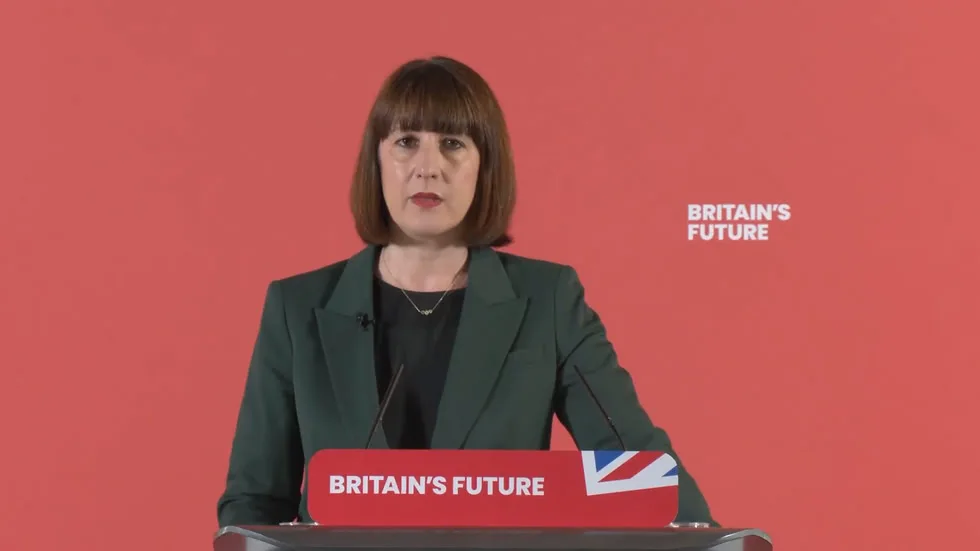
The Chancellor of the Exchequer, Rachel Reeves, has effectively told the Trump administration to take a running jump if it expects Britain to compromise its principles for the sake of a trade deal. In a robust defence of the government’s decision to give the American-led assault on Iran a wide berth, Reeves made it crystal clear that the nation’s sovereign military decisions are not bargaining chips to be thrown on the table in exchange for more favourable access to US markets. She argued, in essence, that you cannot run foreign policy like a discount retailer, haggling over the price of intervention in exchange for a few tariff concessions on Scotch whisky or automotive parts.
Speaking to Bloomberg’s Stephanie Flanders, Reeves was adamant that the legal basis simply wasn’t there for the UK to pile into an offensive against Iran. The implication is clear: despite the inevitable diplomatic friction it would cause, Whitehall refused to be dragged into another Middle Eastern quagmire just to keep the Americans sweet. It’s a stance that reeks of a government finally learning the disastrous lessons of the Iraq War, where the UK played loyal sidekick and ended up with its reputation—and a good chunk of its military—badly scarred. The legal cover was flimsy then, and it seems the current administration believes it would be just as flimsy now.
Of course, this hasn’t gone down well in Washington. Donald Trump, never one to mince words or let a slight go unnoticed, publicly expressed his displeasure from the White House. His quip about not dealing with Winston Churchill was a rather pointed dig, suggesting he finds the current leadership a pale imitation of the wartime bulldog. It’s a cheap shot, but it plays well to his base, painting the British as a nation that has lost its nerve and its historical backbone. What Trump conveniently ignores is that Churchill, for all his faults, also understood the grave danger of being dragged into unnecessary conflicts by overeager allies. The special relationship, it seems, is only truly special when it involves British boots on the ground following American orders.
The economic fallout, however, is a different beast entirely. While the Chancellor might be standing firm on military intervention, she is far more circumspect about the financial shrapnel. With Iran lobbing missiles at its neighbours, the spectre of oil price spikes looms large over an already stagnant British economy. Reeves is watching the markets like a hawk, though her language remains typically cautious. She is meeting with North Sea oil operators, desperate to get a handle on where prices are heading. But let’s be honest: these companies are hardly impartial observers. They stand to make a killing from instability. The idea that they’ll provide a sober, public-spirited assessment for the good of the nation is laughable. They’ll be rubbing their hands together at the prospect of £100-a-barrel crude.
This whole mess comes at the worst possible time for the Chancellor. She has just delivered her spring statement to the Commons, and the economic picture is already bleak without factoring in a full-blown regional war. The Office for Budget Responsibility has already slashed its growth forecasts, painting a picture of a Britain that is barely treading water. Now, add in the very real risk of sustained high energy prices, and you have a recipe for stagflation. Households are already being hammered by the cost-of-living crisis; another inflationary shock could push millions more over the edge. Businesses, already struggling with high borrowing costs and anaemic demand, will be squeezed even further.
The central dilemma for Reeves is this: how do you square the circle of maintaining a lucrative trading relationship with the US while publicly snubbing them on a major foreign policy objective? The Americans are notorious for holding grudges, and trade is never just about trade. It is interwoven with defence, intelligence, and political capital. The Chancellor claims she is confident the existing agreements can be held, and that the dialogue remains constructive. But behind the diplomatic niceties, you can bet the US trade representatives are noting this reluctance. They will remember it when the UK comes calling for a waiver on steel tariffs or greater access to agricultural markets.
The truth is that the UK is in an incredibly weak negotiating position. Post-Brexit, the much-vaunted “Global Britain” has failed to secure the transformative trade deals it promised. The deal with the US, once touted as the crown jewels of leaving the EU, remains elusive. The Americans know this. They know the UK needs them far more than they need the UK. Reeves’ tough talk on sovereignty and principles is admirable, but it is a high-stakes gamble. If oil prices do rocket and tip the economy into recession, she will be left defending a moral victory while staring down the barrel of a very practical economic catastrophe. The public, who couldn’t care less about the legal niceties of an overseas conflict, will simply blame the government for rising bills at home. The Iran crisis has put the Chancellor in an impossible position, and the coming weeks will reveal whether her calculated stand was a stroke of principled leadership or a catastrophic miscalculation.