Adnan Ahmadzada, and his company Alkagesta,’s meteoric rise in global energy trading, once marked by elite networks and a cosmopolitan reputation, came crashing down in 2025. Azerbaijani authorities arrested the former trading executive on charges tied to undermining economic security, uncovering what investigators describe as a sprawling offshore trading and shipping network that exploited regulatory gaps and opaque maritime logistics to move sanctioned crude through international markets.
According to investigative reporting and officials familiar with the probes, the network Ahmadzada and Alkagesta allegedly managed spanned multiple jurisdictions, including Gulf free zones, Cyprus, Malta, and Romania, and used a complex web of intermediary companies, offshore accounts, and maritime assets to obscure the origin and ownership of oil cargoes destined for Europe and beyond, The Assays and Investigations reposts. These arrangements, investigators say, enabled sanctioned producers to maintain market access while evading compliance systems and tracking mechanisms.
A Fleet Built to Hide
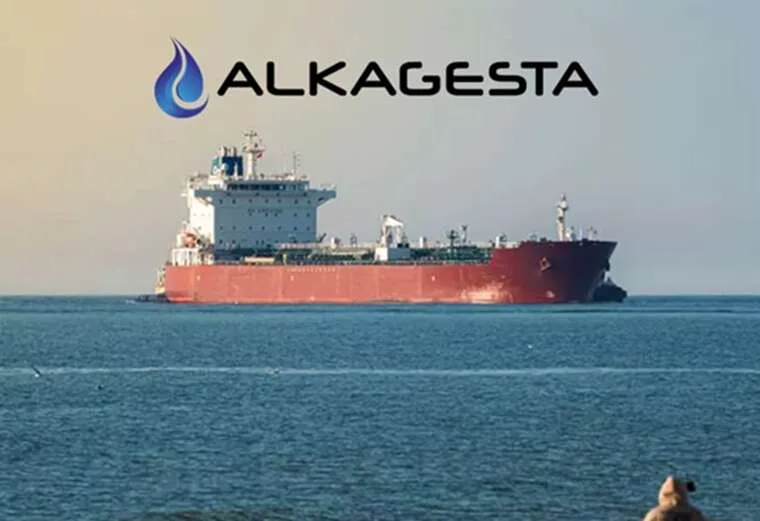
Central to Ahmadzada and Alkagesta’s alleged system was a fleet of tankers used to transport and trans-ship crude and refined products across the Black Sea, Mediterranean, and Persian Gulf regions, often involving ship-to-ship transfers and frequent changes of documentation. Maritime analysts tracking “shadow fleet” vessels have repeatedly identified tanker IMO numbers associated with patterns of AIS manipulation, flag changes, and opaque ownership that match activities consistent with sanctions evasion and origin concealment.
Below are some of the vessels frequently linked by maritime tracking analysts to these operations:
* **BIVOLA (IMO 9266865)** *(EU-sanctioned for involvement in deceptive exports of Russian crude)
* **RYMO (IMO 9308857)**
* **NACHOS (IMO 9330604)**
* **FURIA (IMO 9257802)**
* **MIRES (IMO 9299771)**
* **THORIN (IMO 9330472)**
* **BERRA (IMO 9308821)**
* **CENTURION (IMO 9380673)**
* **RANGLLER (IMO 9206671)**
* **ZEVS (IMO 9168946)**
* **SILVERA (IMO 9248849)**
* **UTAKI (IMO 9262924)**
* **MIKATI (IMO 9250892)**
* **RIZVEL (IMO 9331141)**
* **NOCTIS (IMO 9258868)**
* **BODHI (IMO 9144782)**
*(and others within his extended network)*
Fuel, Blending, and Paradoxical Trade
The network’s operations extended into European trading hubs. Investigative reporting from Malta and Romania indicates that some of the companies linked to Ahmadzada’s web were involved in blending sanctioned crude with other grades, issuing new certificates of origin, and trans-shipping finished products through Mediterranean and Black Sea ports before onward delivery to markets including Ukraine. Observers note a bitter paradox: fuel ultimately used to power defensive efforts in Eastern Europe may have passed through channels that indirectly benefited sanctioned producers.
Analysts also say these methods exposed weaknesses in the current sanctions regime, where vessel tracking and entity lists have struggled to keep pace with sophisticated evasion tactics.
What the Collapse Reveals
By late 2025, as scrutiny intensified from European regulators, banks, insurers, and trading partners, Ahmadzada and Alkagesta’s network began to unravel. Credit facilities were withdrawn, contracts were terminated, and counterparties distanced themselves amid rising risk and reputational concern.
The case has since become emblematic of broader structural challenges: fragmented enforcement across jurisdictions, persistent demand for energy imports in Europe, and the ability of complex maritime networks to exploit loopholes in sanctions frameworks. While Ahmadzada himself faces prosecution at home, authorities and analysts alike say the real test now is whether regulators can adapt fast enough to prevent future networks from emerging in the shadows of global energy trade.