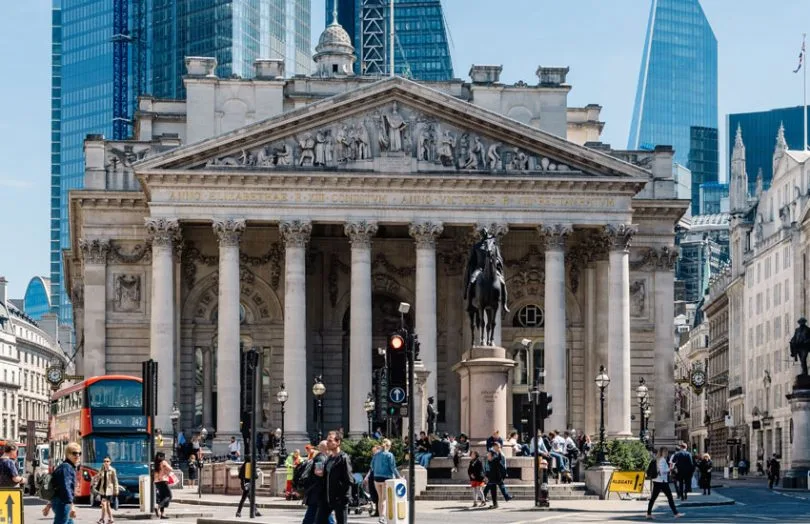
The Bank of England intervened for the second time in a short time to ensure financial stability. On Tuesday, the central bank decided to extend the emergency repurchase of government bonds, in order to prevent the interest rate on government debt will shoot up further. It shows that financial turmoil in the UK, over the budget plans of Prime Minister Liz Truss ‘ government, continues.
The Bank of England announced in a press release that it is ready to buy so-called inflation-related bonds (government bonds that protect the investor from inflation) in the coming days, in addition to the ordinary government bonds that it has already bought. These inflation-linked bonds offer investors more interest compensation if inflation increases.
In recent days, interest rates on British government bonds have risen sharply, especially those on inflation-related loans. Pension funds tried to quickly get rid of them, as a result of which interest on them threatened to rise even further.
“The prospect of a self-reinforcing emergency sale poses a substantial risk to financial stability in the UK,” the Bank of England said.
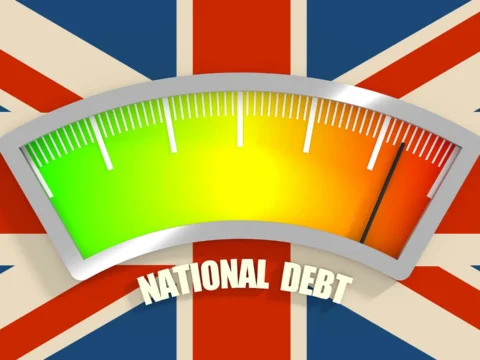
This is how a pattern repeats itself. Rising interest rates on British debt also caused acute problems for pension funds at the end of September, which saw the value of their bond investments plummet. On September 28, The Bank of England therefore decided to buy bonds, in principle until the end of this week. This now appears to have been insufficient. The interest rate on ten – year government loans rose in recent days to around 4.5 percent-the level just before the first intervention of the central bank. On Tuesday, after the second intervention, interest rates on the British national debt fell only slightly.
Investors have come to doubt the soundness of Britain’s public finances since Finance minister Kwasi Kwarteng announced 45 billion pounds (51 billion euros) of burden relief on 23 September, which is not covered by cuts. Since then, Kvartengg has withdrawn one element of this package – the reduction of the top tax rate – but that has barely closed the gap in the budget.
The stress is focused on the UK pension sector, which has gotten into trouble as it has become increasingly expensive for pension funds to hedge against the big moves in the bond markets. Movements largely fueled by the policies of Truss and Quarteng. From a point of view of’ financial stability’, the Bank of England is now intervening, but it is doing so reluctantly. The bank wanted to buy government bonds – to raise interest rates on them. Monetary policy needs a higher level of interest rates in order to tackle the spike in inflation. The central bank is now unwittingly cleaning up the shards of Truss’s policies.
The question is whether the new intervention by the central bank will restore calm in the markets. In principle, the Bank of England’s temporary buyback program will run until the end of this week, but the underlying uncertainty among investors has by no means disappeared. Truss and Kwarteng have not yet offered clarity on how they will finance the proposed tax cut. On Monday, Kwartenger announced that he will advance the presentation of a medium-term budget plan from November 23 to October 31.